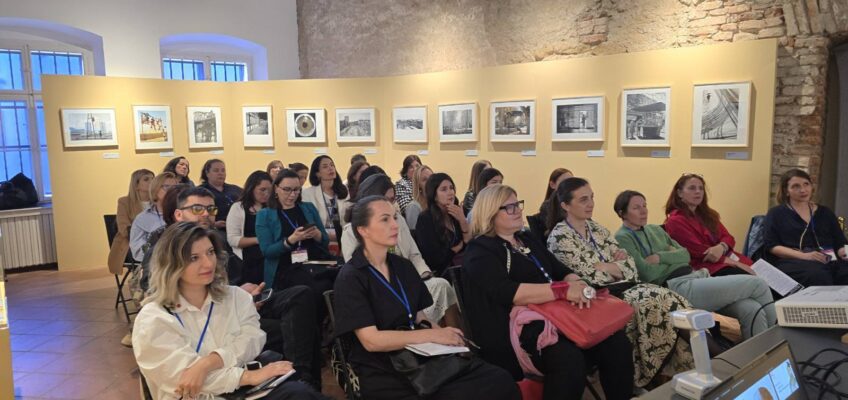
In May 2025, I attended a workshop at The Balkan Museum Network’s event „Meet, See, Do: Museums Trends” in Zagreb, Croatia, which provided me a valuable opportunity to connect with regional peers and deepen my understanding of Balkan cultural landscapes.
I wanted to learn more about the network, and I invited Aida Vežić, the Secretary General of the Balkan Museum Network, since 2013 to answer a series of questions. Aida holds a MA from the program “Cultural Projects for Development” (International Labor Organization and Politechnic University in Torino).
The interview explores the foundational ideas behind the Balkan Museum Network and its vital role in fostering regional cooperation, cultural exchange, and heritage preservation, emphasizing Aida Vežić’s leadership and her expertise in cultural development projects.
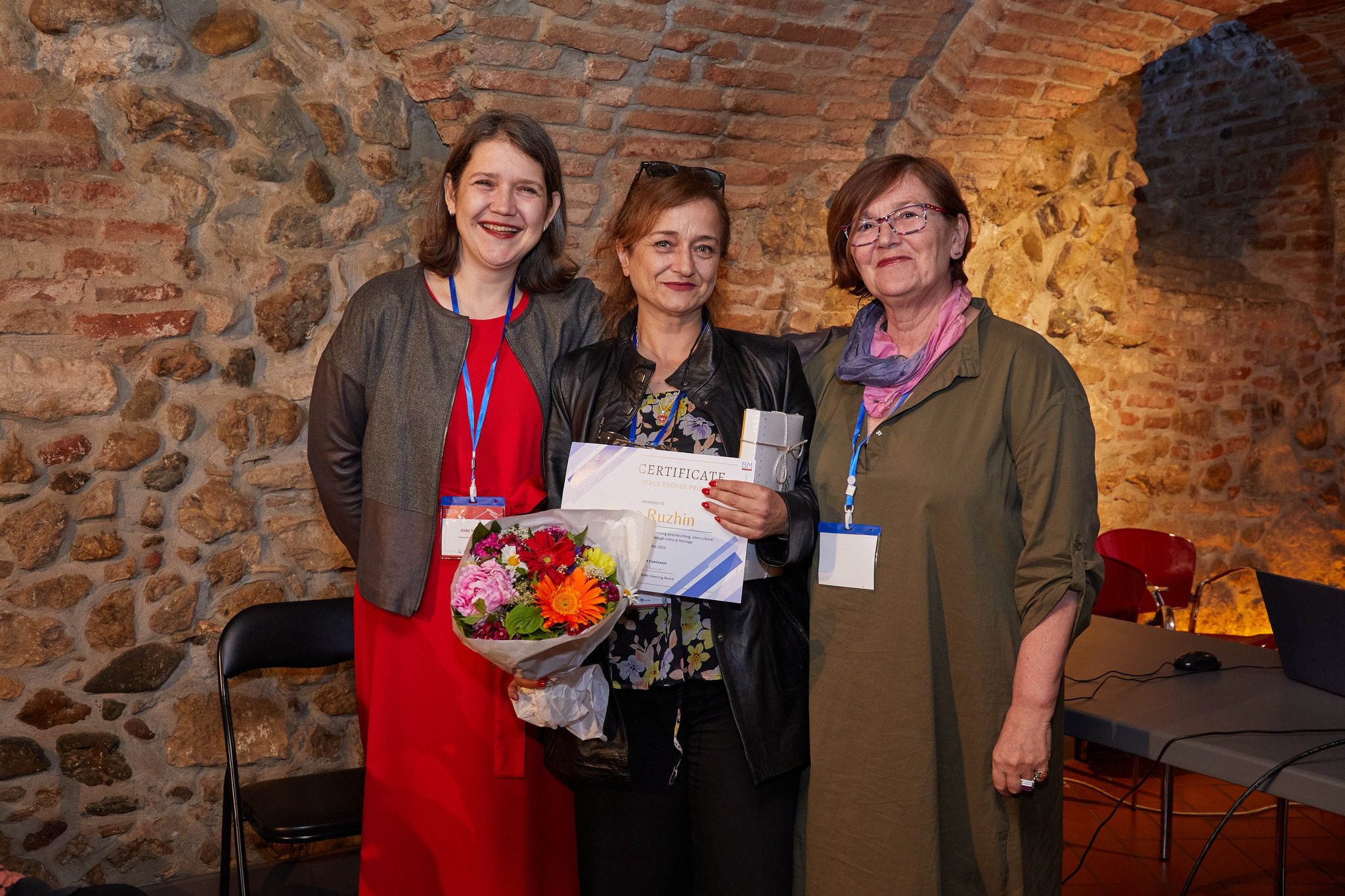
1. The Balkan Museum Network plays a vital role in celebrating, preserving, and sharing the rich and diverse cultural heritage of the Western Balkans, fostering regional unity through mutual respect and collaboration. Can you tell me more about the network? How did it start?
The Balkan Museum Network (BMN) began as a bold and hopeful idea that emerged in a post-conflict region where borders had hardened, and societies were healing. The notion of a shared cultural heritage might have seemed idealistic at that time, and still is today, but for a group of museum professionals from across the Balkans it was a necessary and profoundly timely step back in 2006.
Facilitated by the foundation Cultural Heritage without Borders, the original BMN brought together directors and senior museum staff from eleven institutions. These were people who understood, perhaps more than most, that cultural heritage in the Balkans is both exquisitely rich and painfully complex, layered with histories of coexistence, division, resilience, and reinvention.
From the original eleven members, the network consists today of almost 400 members out of which two thirds are individuals and one third institutions (museums and heritage non-governmental organizations).
From the beginning, the network was grounded in mutual respect, shared ethics, and a strong commitment to professionalism. But it was never just about professional development, though that, of course, has been a vital strand. It was also about reimagining what museums could mean in a region still navigating questions of identity, memory, and reconciliation. Balkan Museum Network is grass-root, peer-to-peer, human centered safe space for solidarity and support.
In the twenty years since regional museum collaboration started BMN has supported many different initiatives and organized dozens of conferences, workshops and seminars on topics ranging from female leadership, exhibition design, conservation, museum education and audience engagement, contested history, cultural tourism, social role of museums and many many more. Until now, we have organized nine (9) international museum conferences called “Meet, See, Do” as a forum for sharing, connecting and inspiring.
One of its most impactful contributions to museums is an ongoing investment in making cultural heritage more accessible and inclusive. Permanent working group “Balkan Museum Access Group” made of museum colleagues from the region, offers expert knowledge to colleagues on the process of identifying and removing existing barriers for inclusion of disabled people in the museum. The goal is to make museums not only more physically accessible, but socially and emotionally open removing also sensory, attitudinal, economic and other barriers.
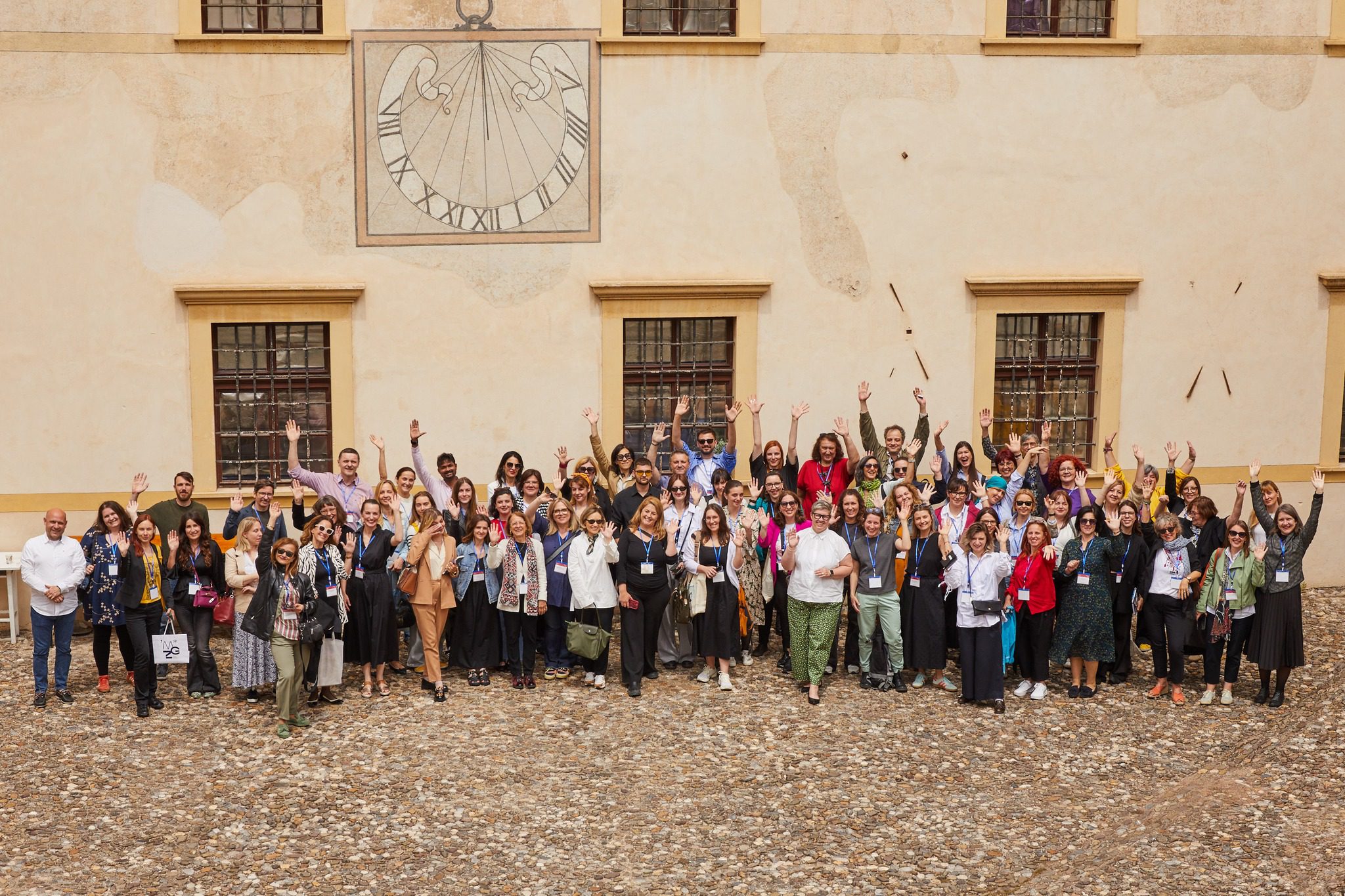
2. Guided by professionalism and shared ethical standards, The Balkan Museum Network aims to strengthen connections among museums and cultural institutions, ensuring that the region’s history and traditions are safeguarded and accessible for future generations. How can a museum and a cultural professional join the network?
Joining the Balkan Museum Network (BMN) is a straightforward but meaningful process that connects institutions and individuals to a broader community dedicated to the responsible preservation, interpretation, and promotion of cultural heritage in the Balkans and beyond. Membership is open to including museums, galleries, non-governmental organizations, and individuals working across disciplines such as curation, education, conservation, museum studies, and community engagement.
Interested applicants can complete the official membership form available on the BMN website. Once submitted, the request is reviewed in accordance with the network’s values of openness, professionalism, and non-discrimination. Members come from the Southeast European Region. Members range from major national museums to grassroots heritage initiatives, from university researchers to museum educators, conservators, accessibility specialists, and cultural policy advocates. What unites them is a shared belief in museums as civic institutions, spaces for public dialogue, ethical reflection, and inclusive cultural participation. Membership in BMN provides access to a number of professional opportunities and it fosters a sense of professional solidarity in a region that has historically struggled with fragmentation, political tension, and underinvestment in cultural infrastructure.
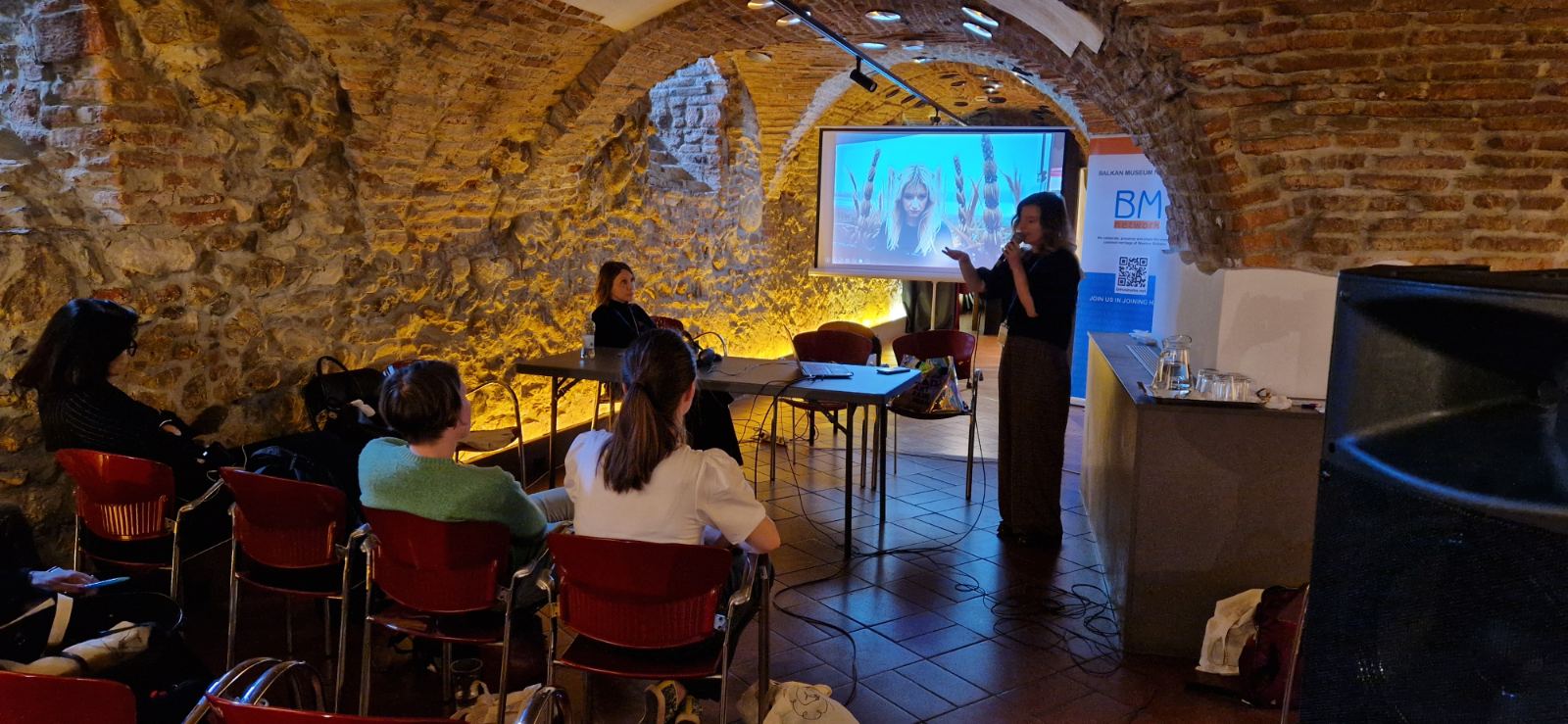
3. What does BMN offer to its members?
At the Balkan Museum Network (BMN), our mission is to support, empower, and connect museum and heritage professionals across the region, not just by strengthening their individual capacities, but by helping shape a more resilient, collaborative, and ethically grounded cultural ecosystem. We do this by building capacity through training and grant giving.
For our members, we offer professional support: structured educational programs (including training, workshops, webinars, and conferences), strategic advice and consultation, and access to dynamic peer-learning environments. Our activities are built around real, evolving needs in the sector.
BMN is also a platform for continuous professional development through content production. We actively engage in the creation of publications, toolkits, research-based reports, and practical guidelines, which are co-authored with or informed by our members. These materials are not just informative; they contribute to knowledge production within the region and position Balkan professionals as relevant voices in broader museum discourse.
Currently, BMN is involved in five active regional and international projects that directly benefit our members and contribute to the broader development of the sector. Two Horizon Europe projects: SHIFT – MetamorphoSis of Cultural Heritage into Augmented Hypermedia Assets for Enhanced Accessibility and Inclusion and AURORA-Artwork Unique Recognition and Tracking through Chemical Encoded Data and Blockchain. Two Erasmus Europe funded projects: iNCLUSION-Upskilling HED Students to Create Transformative Cultural Experiences for Audiences with Disabilities and Critical History Tours, and managing the Headley Southeast European Cultural Heritage Fund. The Headley Fund provides targeted financial support for heritage organizations.
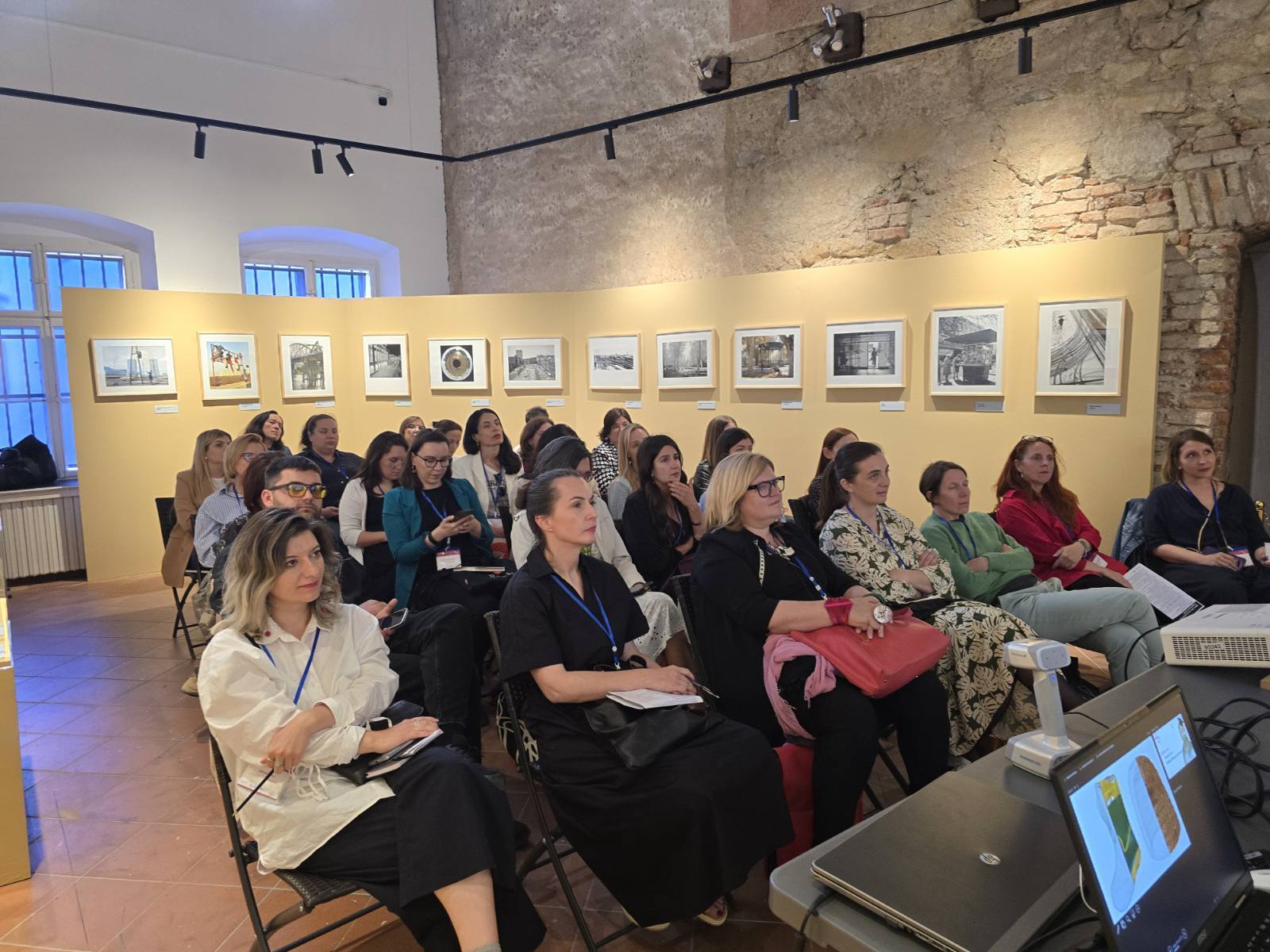
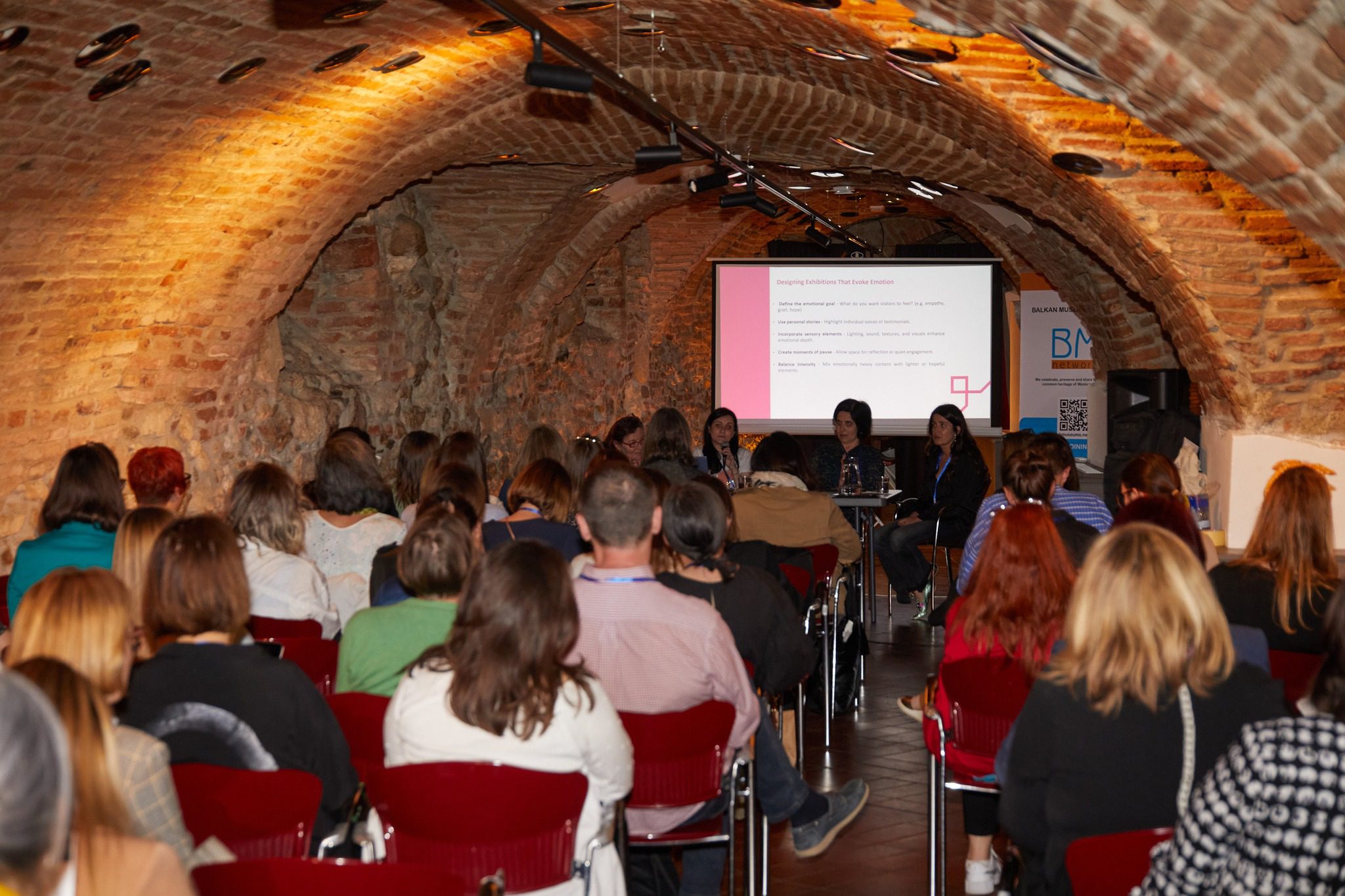
In parallel, BMN actively supports regional visibility and international positioning. We work to connect our members with global museum and heritage networks, proposing experts and institutions from the Balkans as collaborators in international initiatives. This has proven to be a valuable strategy for ensuring that perspectives from the Balkans are not only included but also help shape European debates and practices related to cultural heritage. In that respect we are very proud of our strategic partnerships with NEMO – Network of European Museum Organisations, Interpret Europe and Michele Cultural Association.
Museums are not neutral containers of objects. They are active participants in the societies they serve, capable of building trust, opening dialogue, and shaping more just futures. And in the Balkan context, that mission feels not only inspiring, but essential.
Regardless of increasing complexity to make meaningful outcomes, we remain committed to creating a platform that combines practical support with strategic vision, always anchored in values of inclusivity, accountability, and professional excellence. We are grateful to all the partners who have supported the Balkan Museum Network until now and invite other to connect. The slogan that we live every day is “Join us in joining hands.”
Thank you very much Aida Vežić for your answers and for your input about the network.

