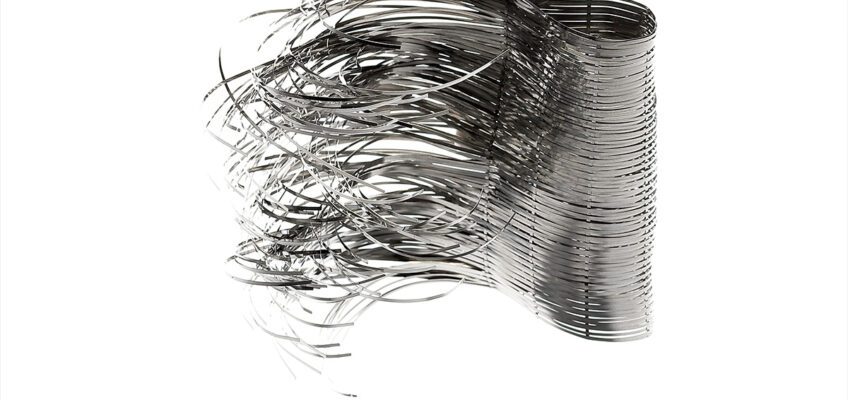
Ji Young Kim was honored with the Atelierul Award by Mihaela Ion at Romanian Jewelry Week 2025. Mihaela appreciated the minimalist and the sophisticated style that Ji Young Kim incorporates into her creations.
We were excited to discover that Ji Young Kim wears her own creations, even the unfinished pieces. For us, this demonstrates a strong commitment and confidence in her designs, showcasing the importance for a designer to wear and embody their own work. We wanted to learned more about Ji Young Kim’s activity and we sent her a set of questions.
1. Who is Ji Young Kim? Can you tell me a couple of words about yourself?
I’m a dreamer. And I am verb. I often describe myself as living on the back of the moon.
We spend our entire lives seeing only its bright front,
Yet we assume the hidden side must look the same.
I’m drawn to what lies beyond that assumption —
to seeing things slowly, for a long time, until they reveal their quiet beauty.
As one of our poets said, “It is beautiful to see for a long time.”
My solo exhibition was titled Back of the Moon — a reflection of my desire to explore unseen worlds.
If I were to choose one final word to describe myself, it would be Paradox.
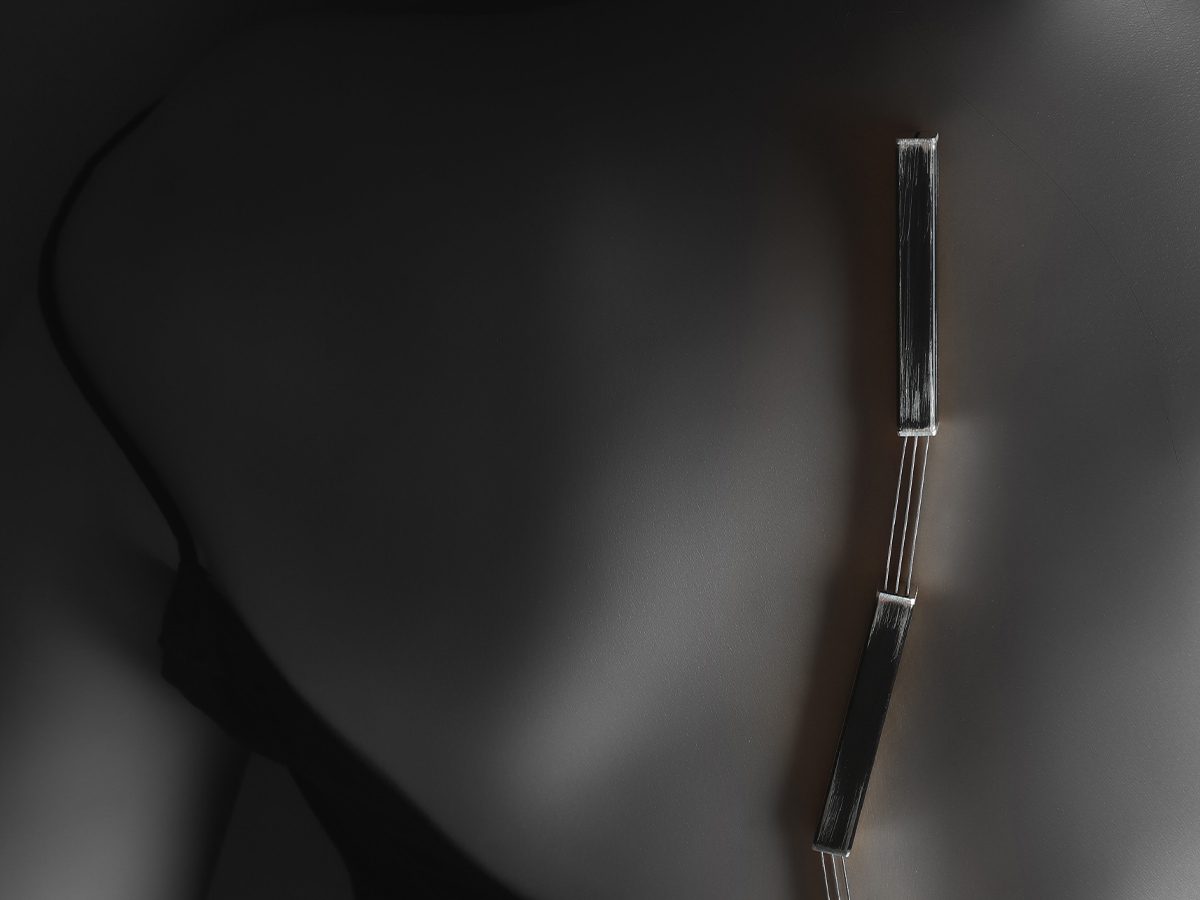
2020 Merit Award, New Taipei City International Metal Crafts Competition, Gold Museum, New Taipei City Government, Taiwan
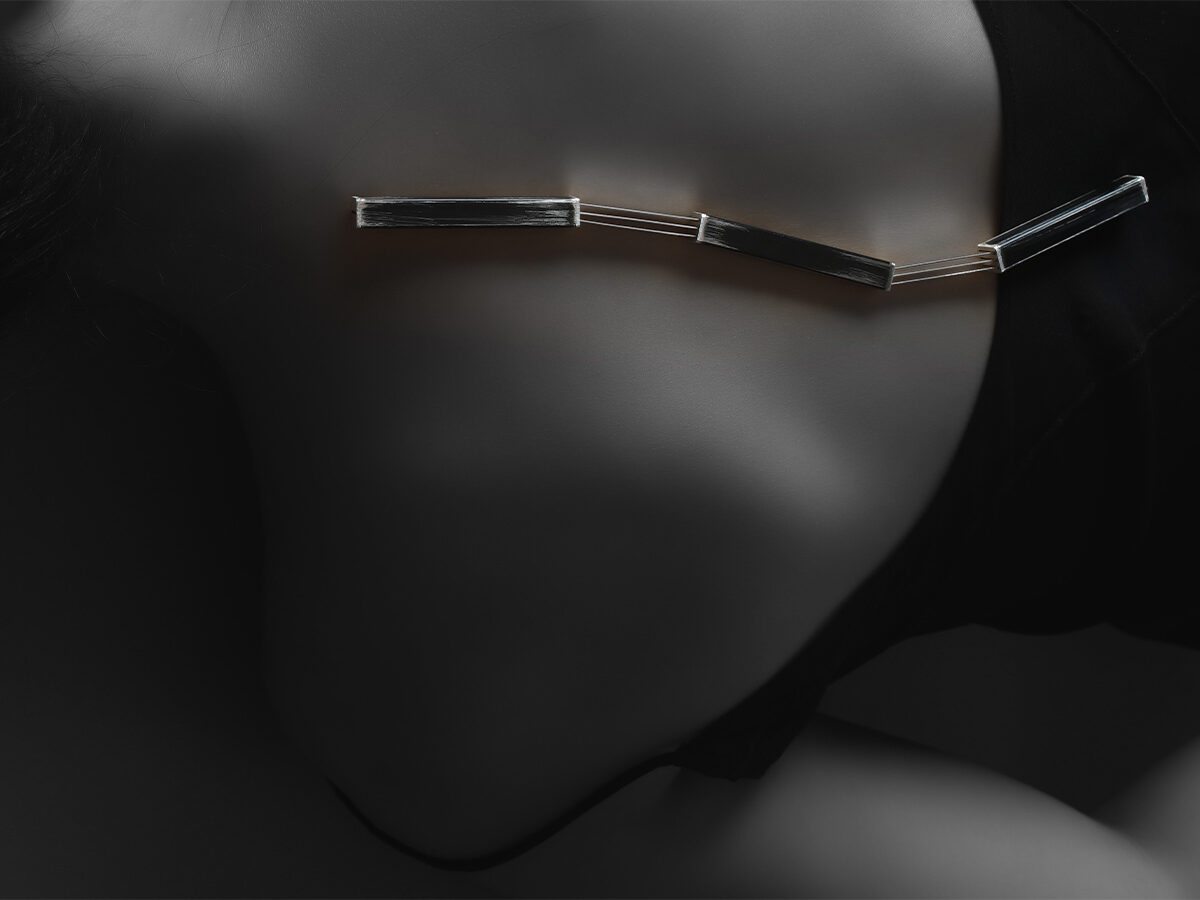
2020 Merit Award, New Taipei City International Metal Crafts Competition, Gold Museum, New Taipei City Government, Taiwan
2. From your point of view, “Jewelry occupies space on a person’s body as if it were a part of them. A piece of jewelry worn by a specific individual becomes, in essence, a modern-day Nahual (Maya spiritual concept) for that person”, how did you get to that definition for a jewelry?
I have always been someone who expresses myself through writing. When my life changed and I could no longer write, I felt an immense emptiness — as if I had lost my voice. I think everyone experiences such a moment at some point in life. For me, it was jewelry that helped me recover my sense of expression and transform my attitude toward life.
In Korean, when we describe putting jewelry on the body, we don’t use the verb “to wear.” Instead, we often say chanda (찬다), which means “to fill.” Even many Koreans use this word unconsciously, but to me — as someone who studied language and media — that nuance felt deeply meaningful. Jewelry doesn’t just fill the body; it can also fill the invisible spaces within us — our thoughts, emotions, and memories. Through this discovery, I began to believe that jewelry could play a role in healing and completing the self.
3. Jewelry is a process for you; how many days does it take to reach the final product? How do you know when your jewelry is complete?
Some creations take a week, while others take more than two. Each piece has its own rhythm and its own time. Because I create everything by hand, I can decide when to slow down or stop — when the process feels right. But I don’t believe jewelry is complete the moment I finish making it. It becomes complete only when it meets a body, when it’s touched by someone else’s hands.
In that sense, my jewelry is always in progress. I’m simply ready to keep working.
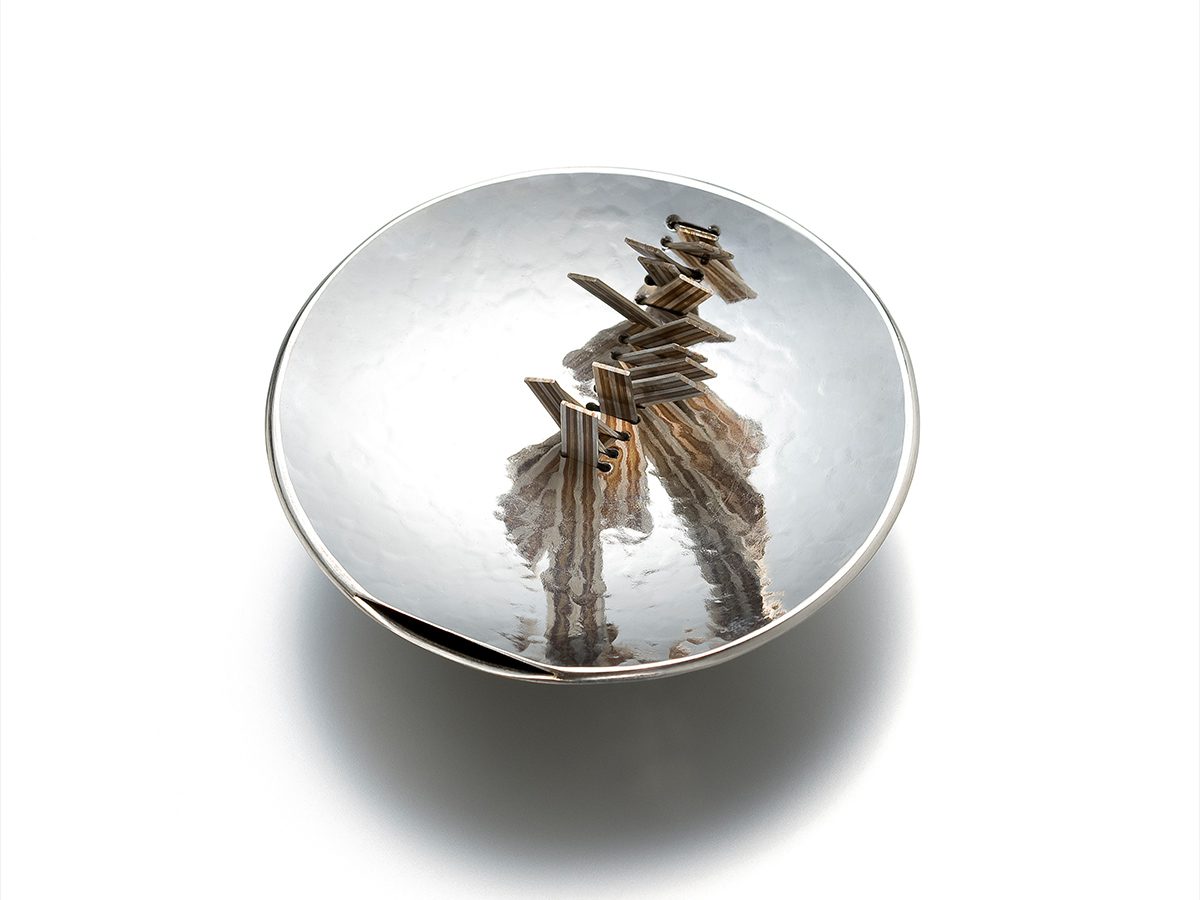
2022, Silver Triennial, 20th International Competition Award, Deutsches Goldschmiedehaus, Hanau, Germany
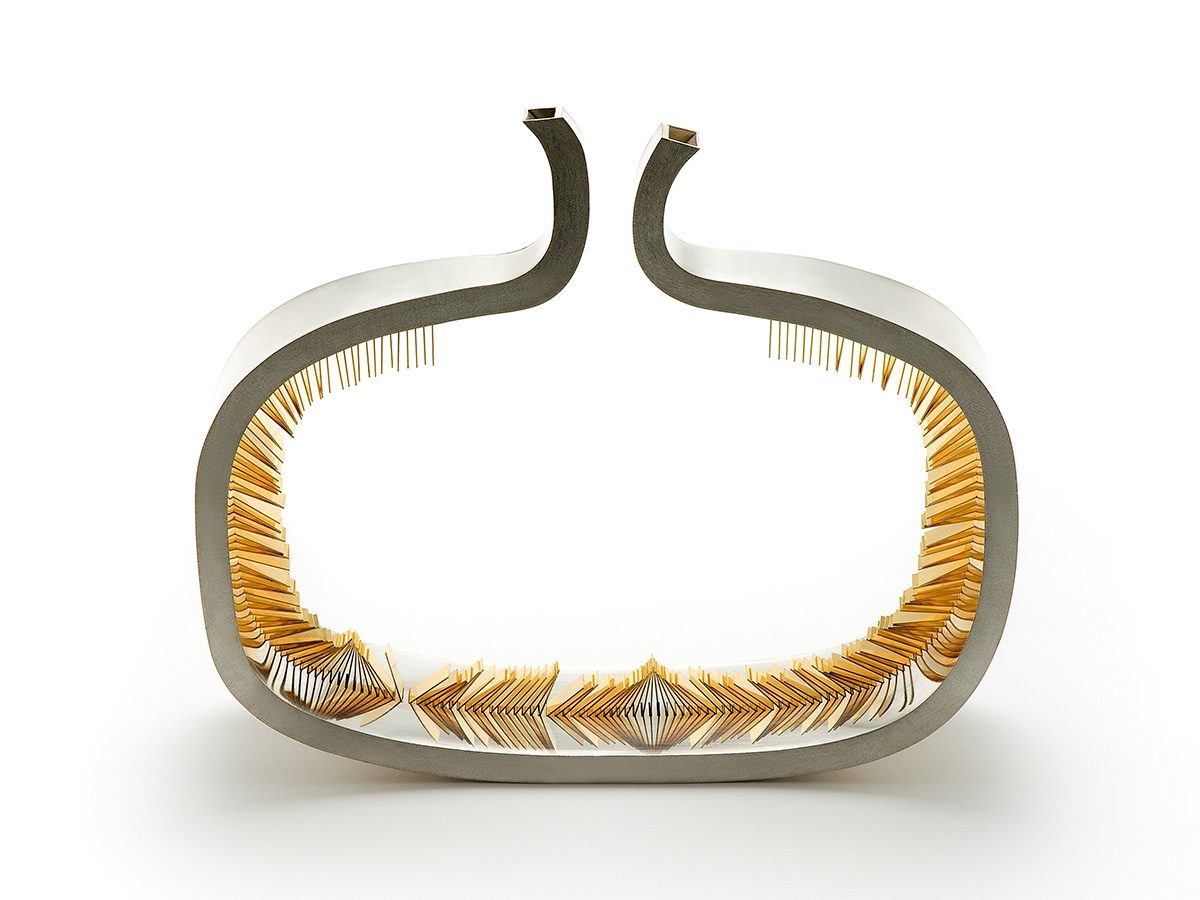
2019 Silver Triennial, 19th International Competition Award, Deutsches Goldschmiedehaus, Hanau, Germany
4. How would you define the aesthetic direction of your jewelry brand?
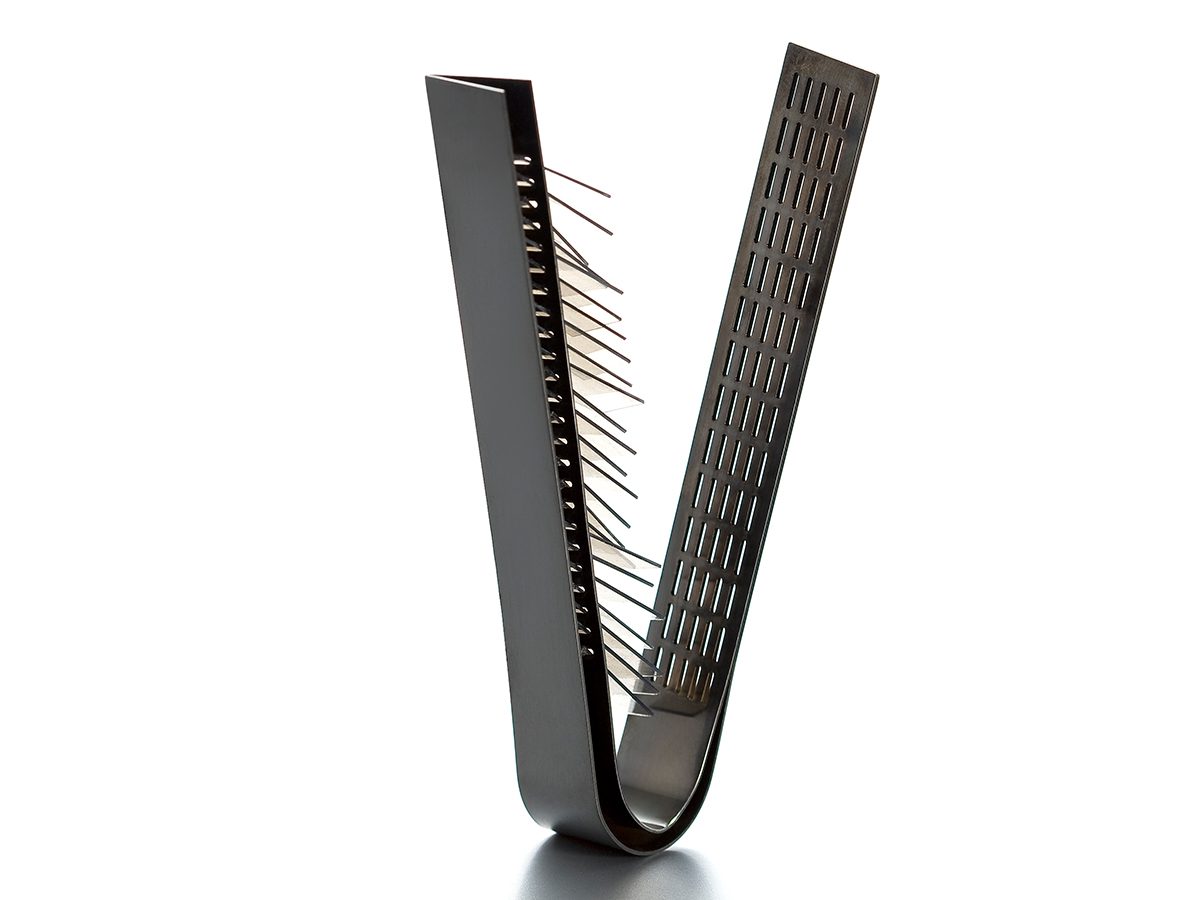
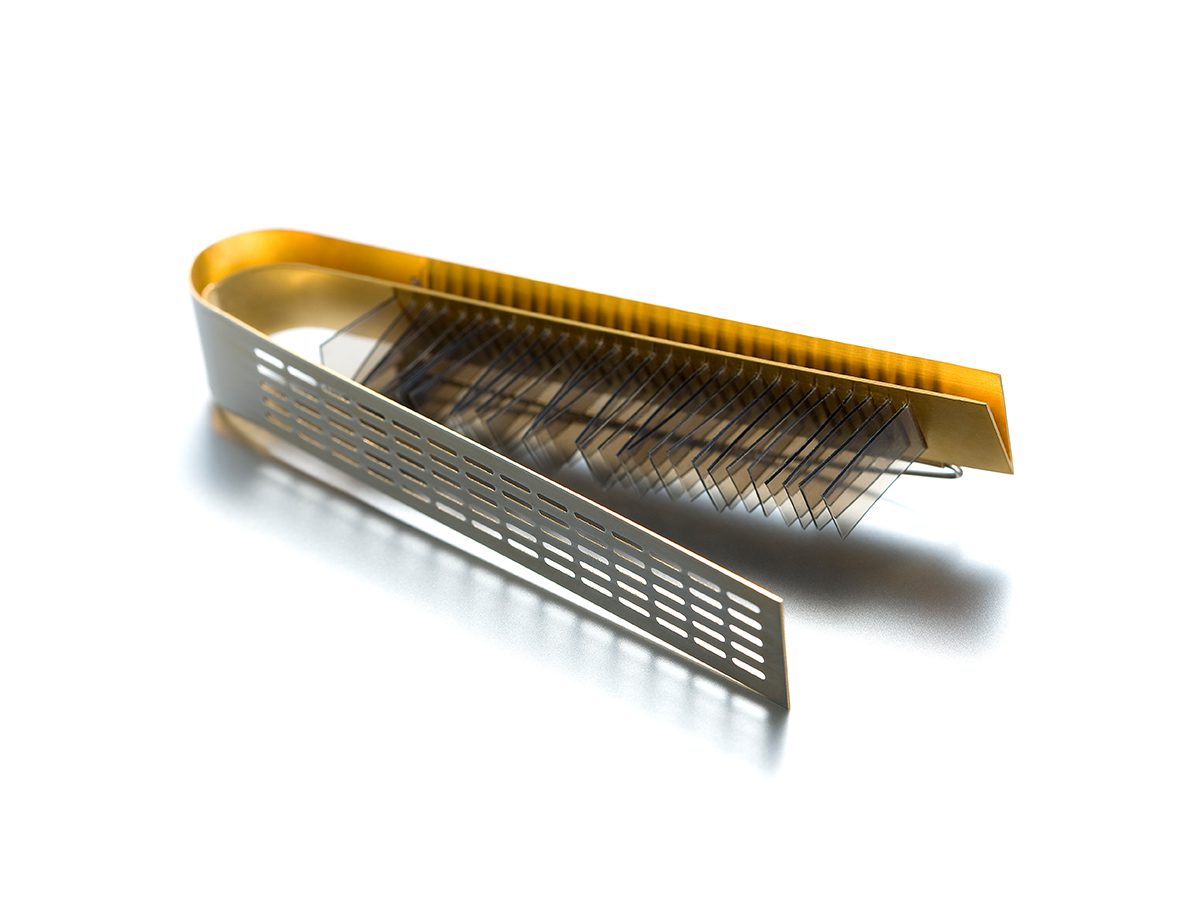
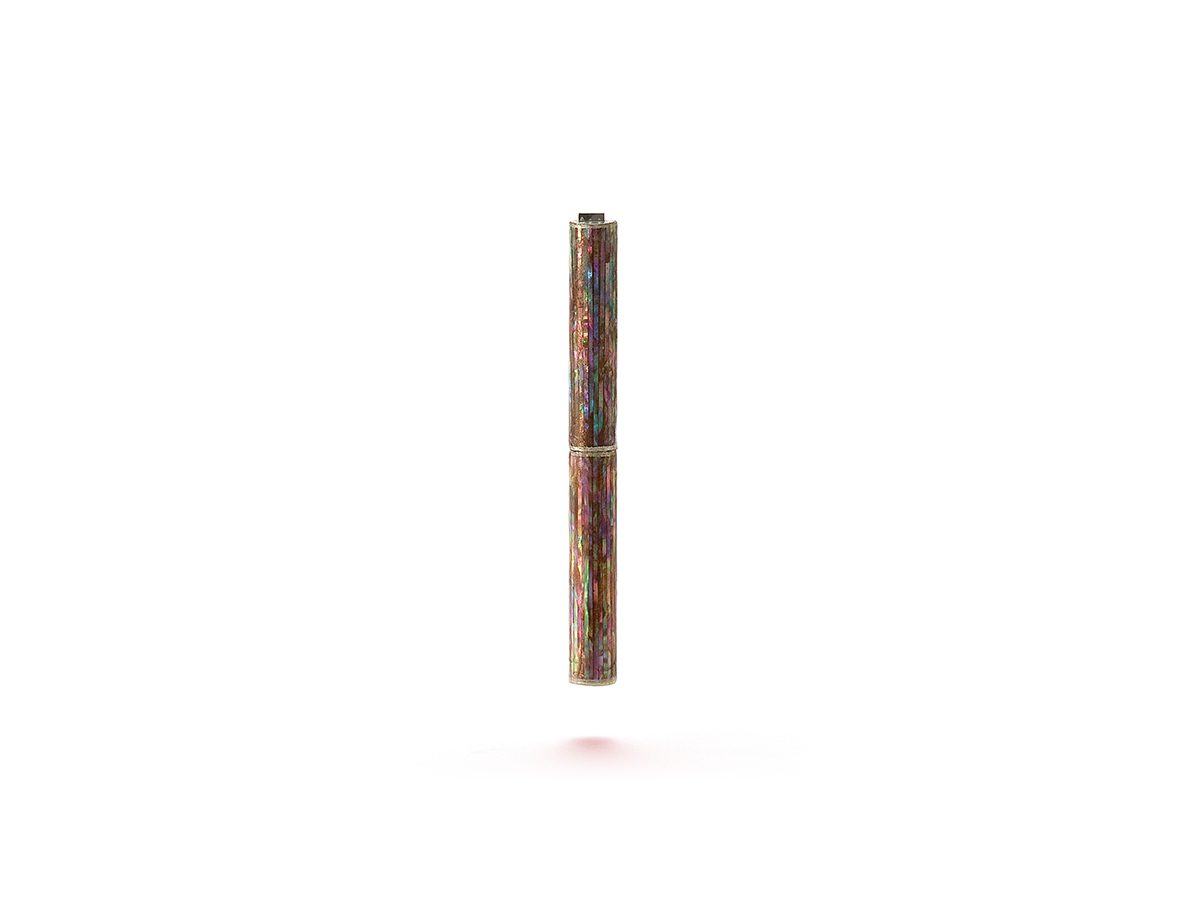
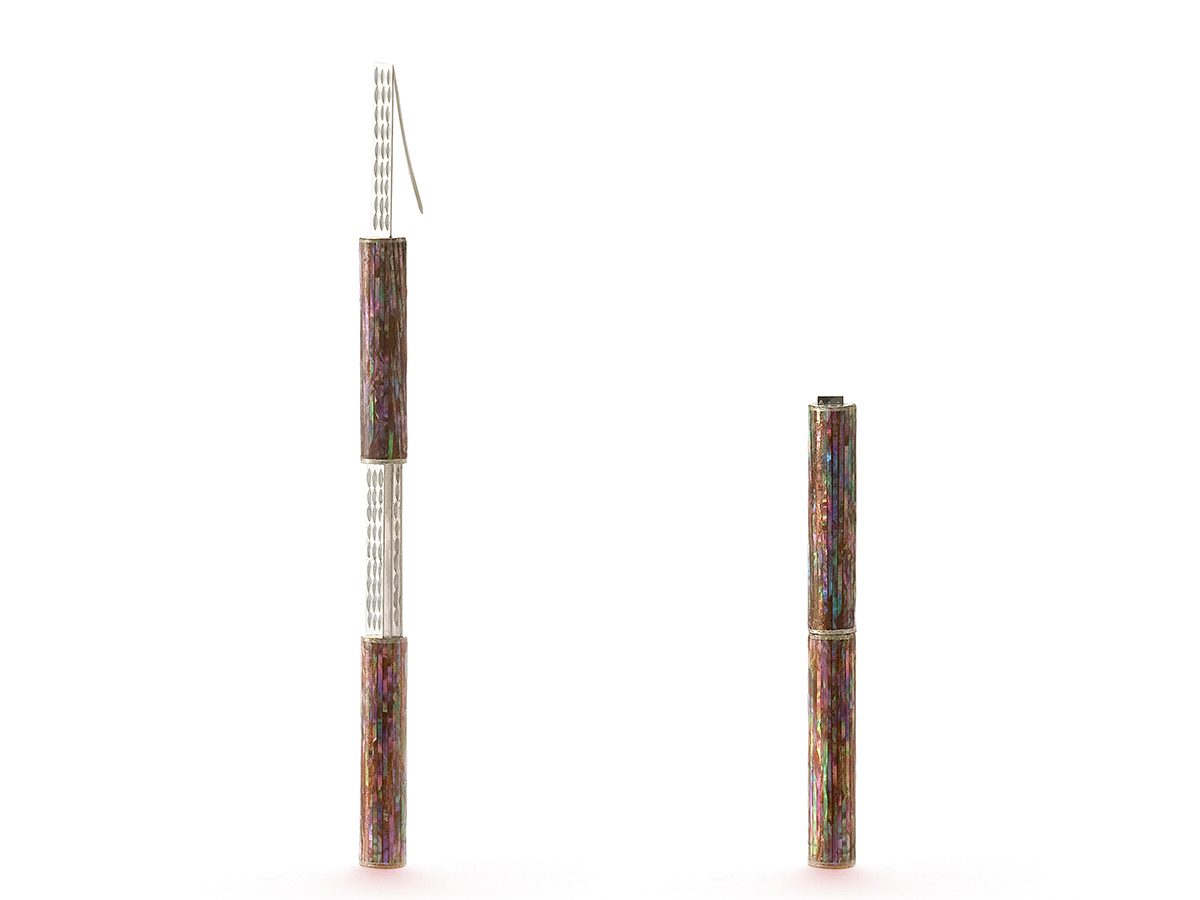
My work exists on the boundary between art and design. At first glance, it may look like a simple object — something complete in itself. But when human interaction takes place, when someone touches or wears it, a hidden pin is revealed, and the piece finally finds its identity. I’m drawn to this act of breaking down boundaries and questioning where one form ends and another begins.
As Albert Einstein said, “The most beautiful thing we can experience is the mysterious. It is the source of all true art and all science.” I hope viewers feel that same curiosity — to wonder where the pin is hidden, and what lies beneath the surface.
5. Do you wear your creations? When?
I wear my creations almost every day. Some of my most challenging pieces have come during the process, and I enjoy wearing even unfinished works — they’re part of my thoughts and reflections.
Not everything I make is meant to be perfect or “cool.” Some pieces remain unfinished, and people often ask me why I leave them that way.
I think it’s because I don’t create to please others, and my work is not made for sale. So yes, I wear my jewelry every day — but not every day. They’re not masterpieces; they’re moments of my life.
6. Your jewelry designs are present in a lot of European countries; how do you see the difference between Europe and South Korea. How does the public interact with jewelry pieces?
For jewelry designers, the creative process feels quite universal — there isn’t a major difference. But when you look at the public, you can feel a clear contrast.
In Korea the pieces tend to be smaller and more understated. In many places, jewelry is often seen as an external ornament, something that decorates the body or an outfit. But for me, it represents something deeper — the act of filling the heart.
The jewelry people enjoy wearing, the pieces that have artistic value, and those they wish to keep as personal treasures are not always the same. Just as we all have clothes we wear every day and others we love but rarely put on, jewelry too reflects both comfort and desire.
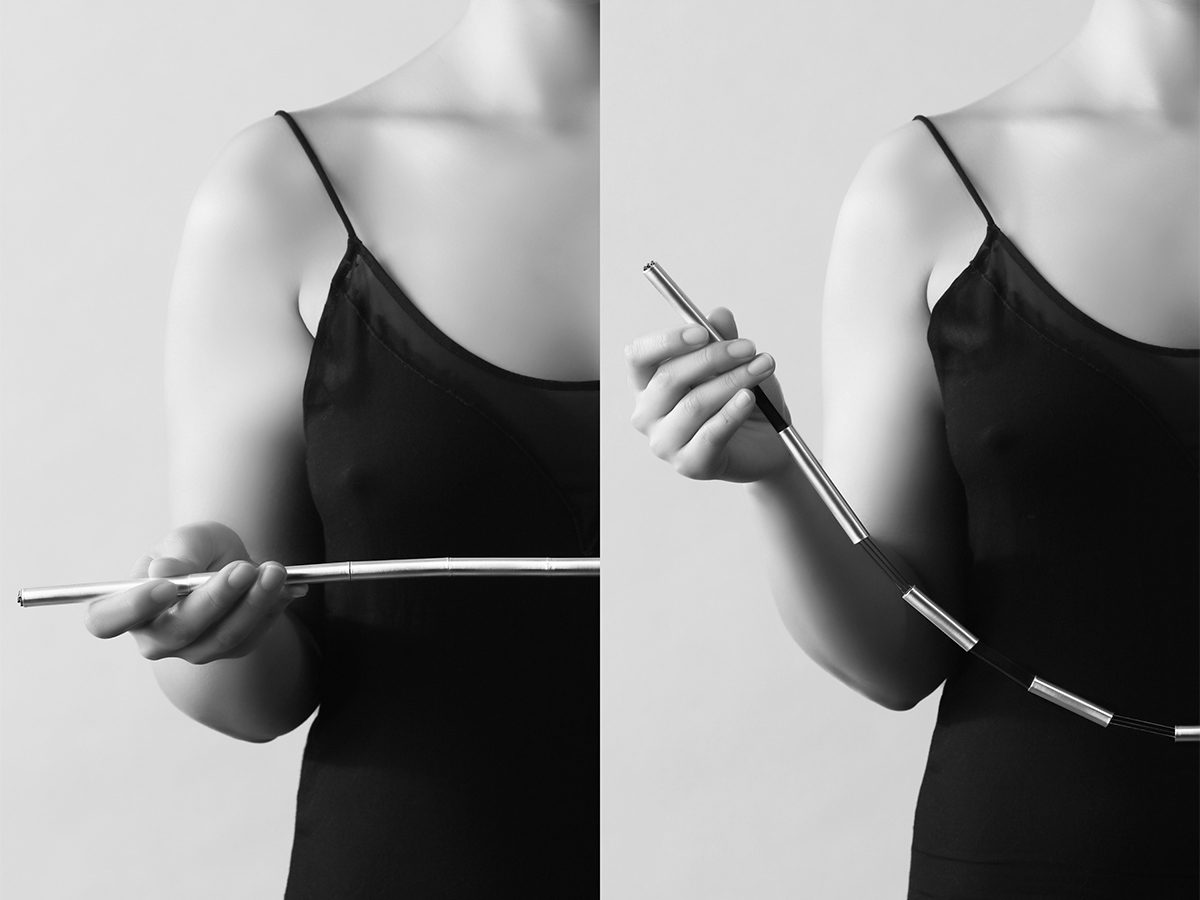
2021, Inhorgenta Munich Award, The 29th Legnica International Jewellery Competition: Still Human?, Legnica.
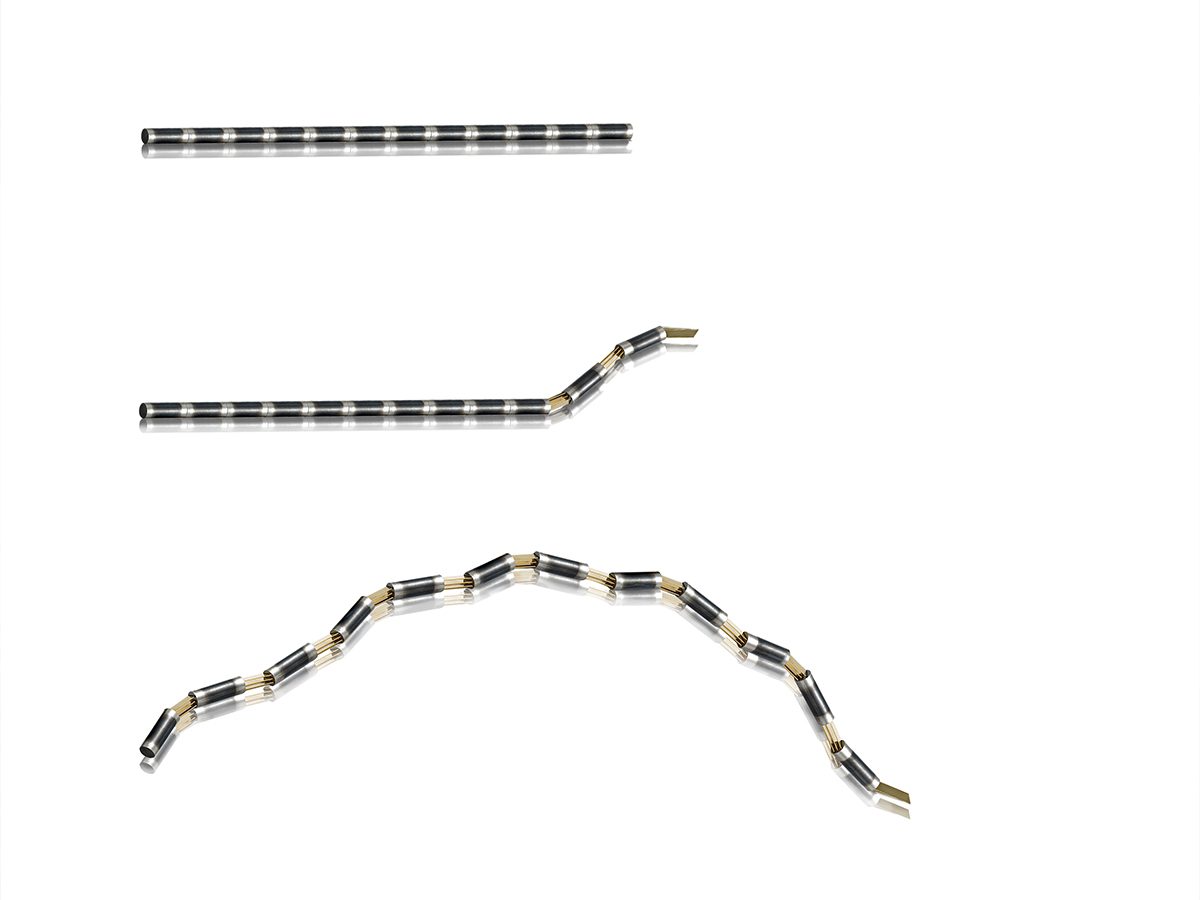
2021, Inhorgenta Munich Award, The 29th Legnica International Jewellery Competition: Still Human?, Legnica.
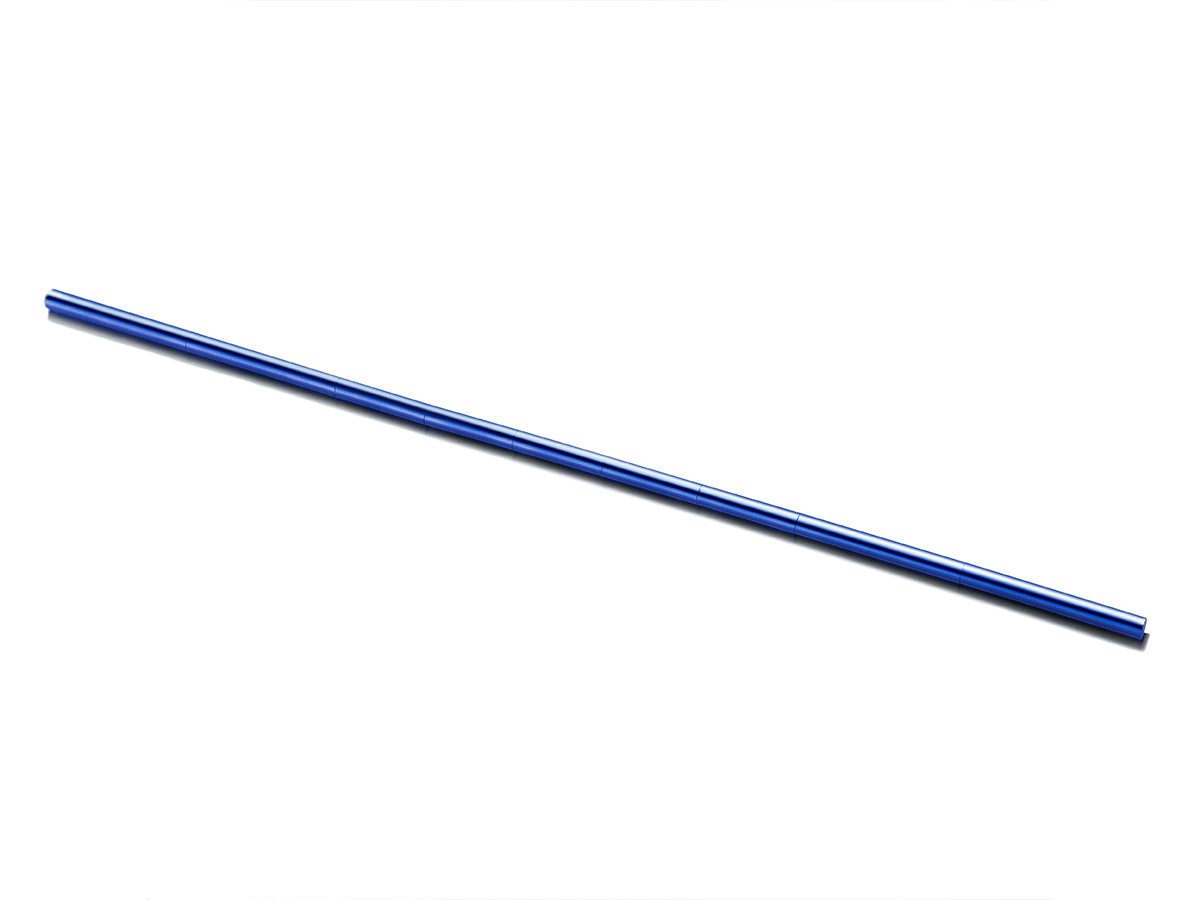
2021, Inhorgenta Munich Award, The 29th Legnica International Jewellery Competition: Still Human?, Legnica.
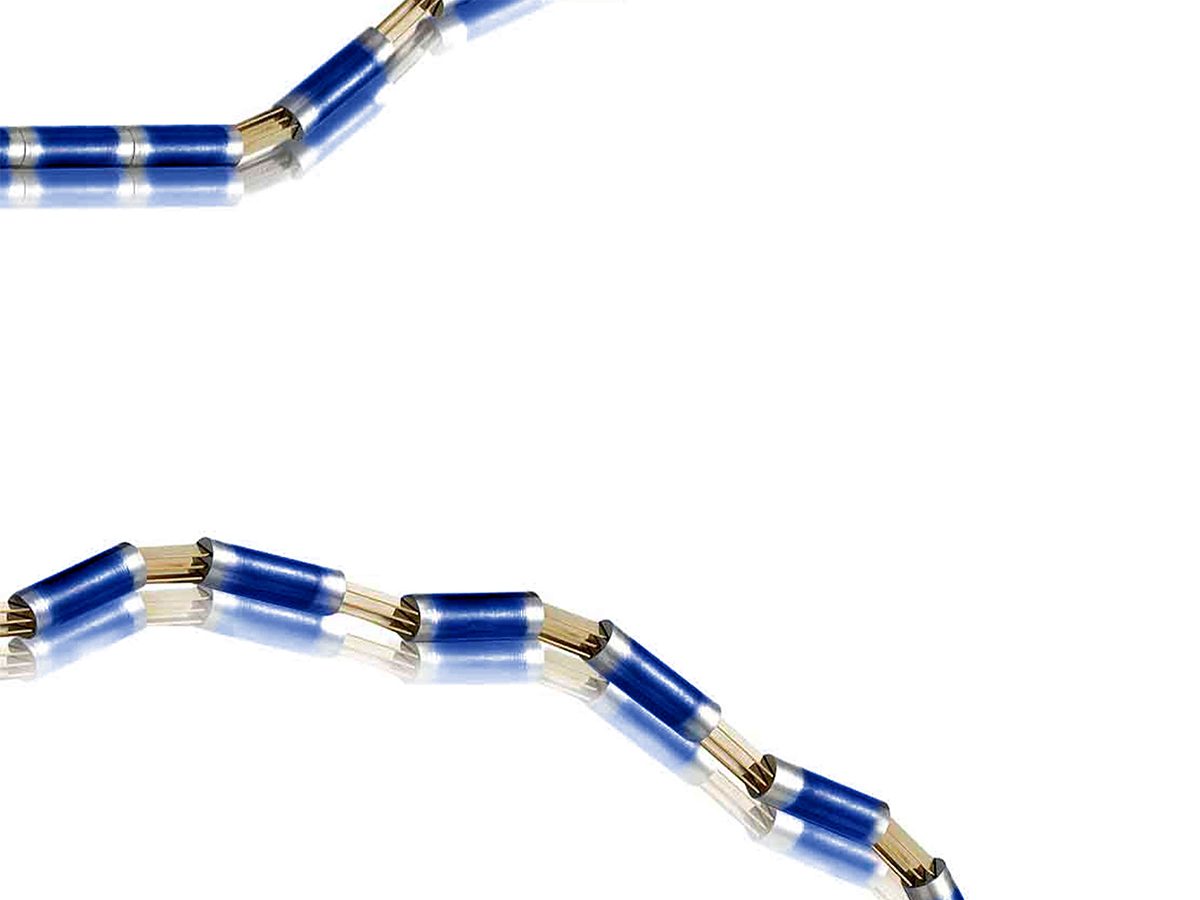
2021, Inhorgenta Munich Award, The 29th Legnica International Jewellery Competition: Still Human?, Legnica.
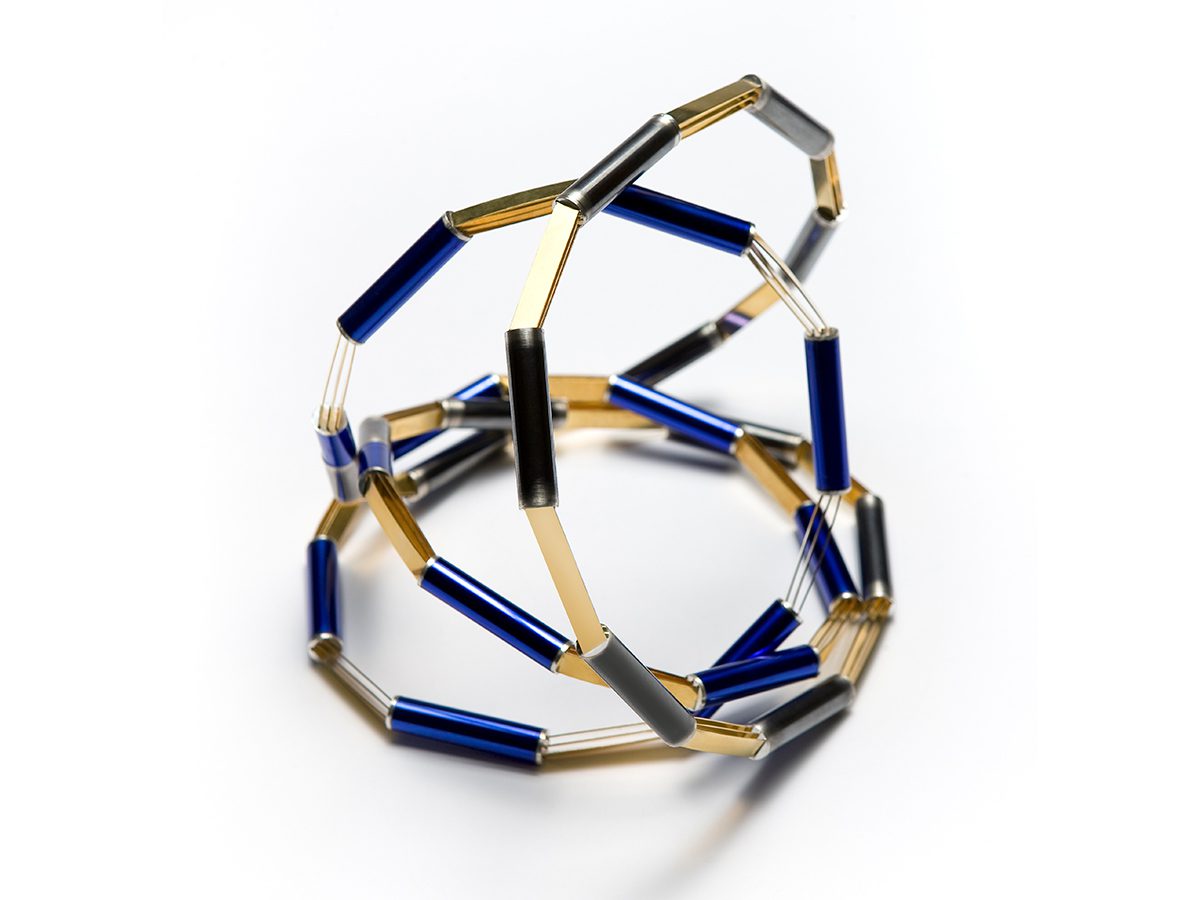
2021, Inhorgenta Munich Award, The 29th Legnica International Jewellery Competition: Still Human?, Legnica.
7. In the last year, you received several awards, congratulations! What are you learning from every professional telling you that your creations are worthy of awards?
Each award gives me a sense of empathy — the comforting feeling that I’m not alone. Yes, we are not alone.
Even if we never meet in person, we connect and communicate through these small jewels. They become silent messengers between people, carrying emotion and memory. I believe I will be remembered through my pieces, and that thought keeps me creating.
8. When I see your jewelry, I think about emotions and memories, what is your proudest creation?
There is nothing I am particularly prouder or less proud of, because each work is a part of me. I believe the opinion of the wearer matters more than my own.
But if I were to mention, it would be 3p — a brooch that was selected and exhibited in Italy, and at the Biennial of Contemporary Metal Art. Though its form is simple, it was a very challenging piece to create, as it explored the process of uniting two lines into one. I experimented a great deal during its creation, and it eventually became the piece I chose to display in my portrait.
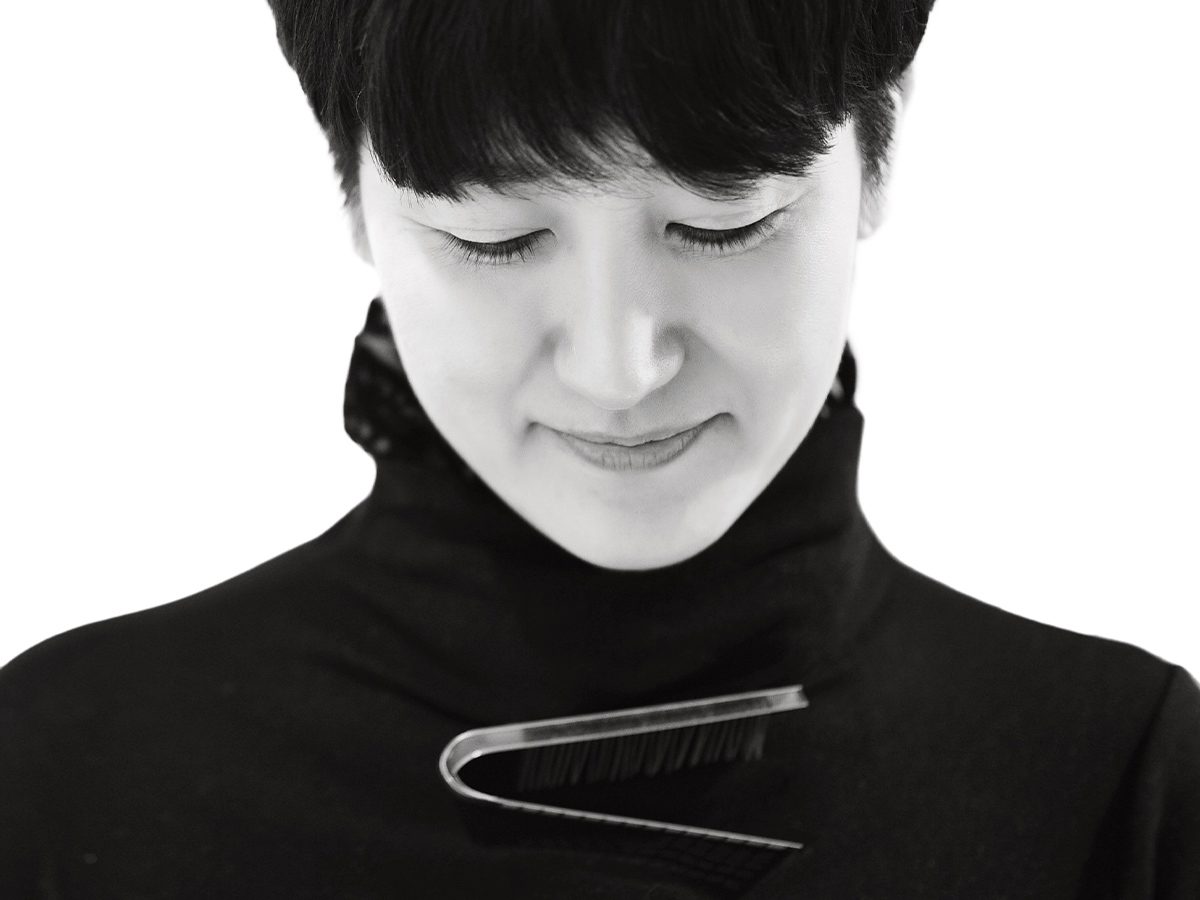
The next piece I would mention is my very first creation. It was selected for the Seoul Craft Award and the Itami International Contemporary Jewelry Contest in Japan. That piece became the true starting point of my artistic journey.
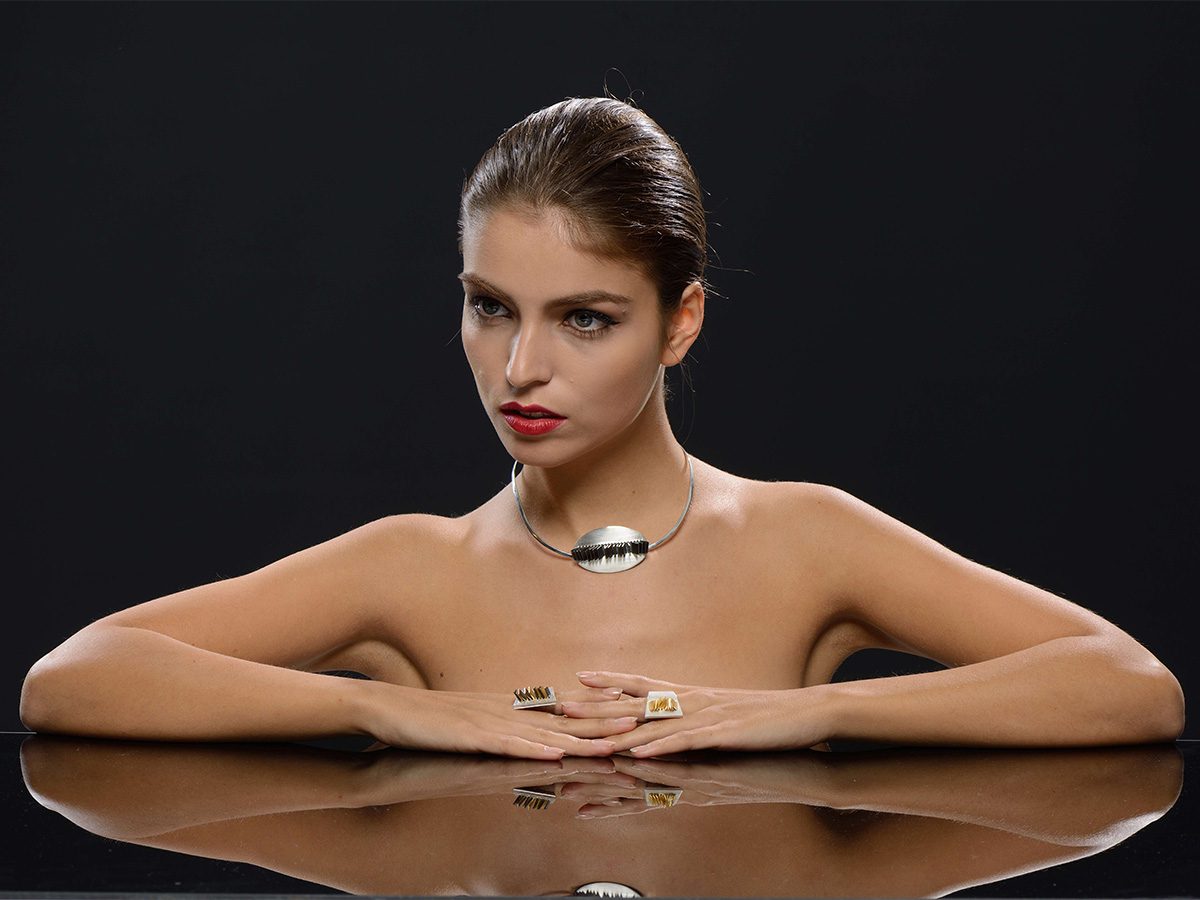
photograph: Shin Myoung Woo, Model: Charlotte Lemay
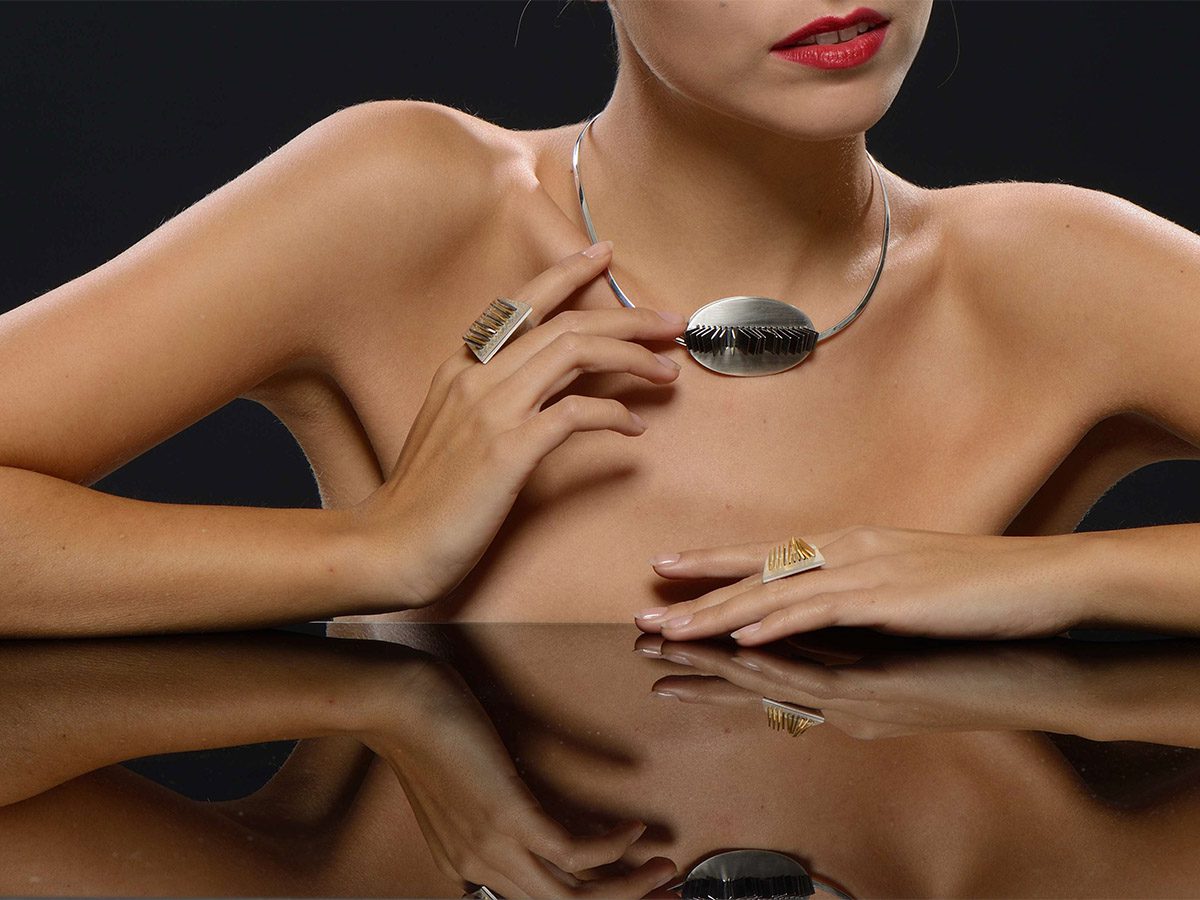
photograph: Shin Myoung Woo, Model: Charlotte Lemay
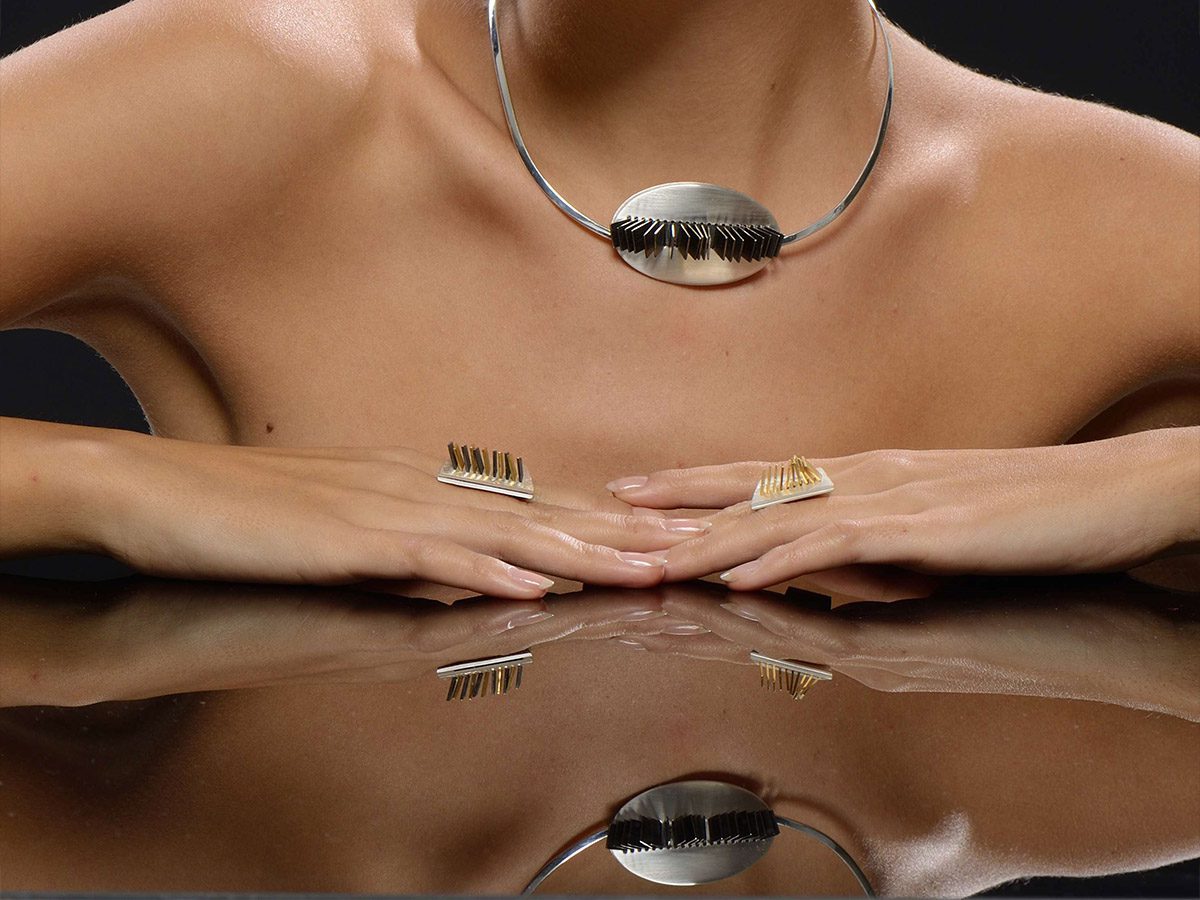
photograph: Shin Myoung Woo, Model: Charlotte Lemay
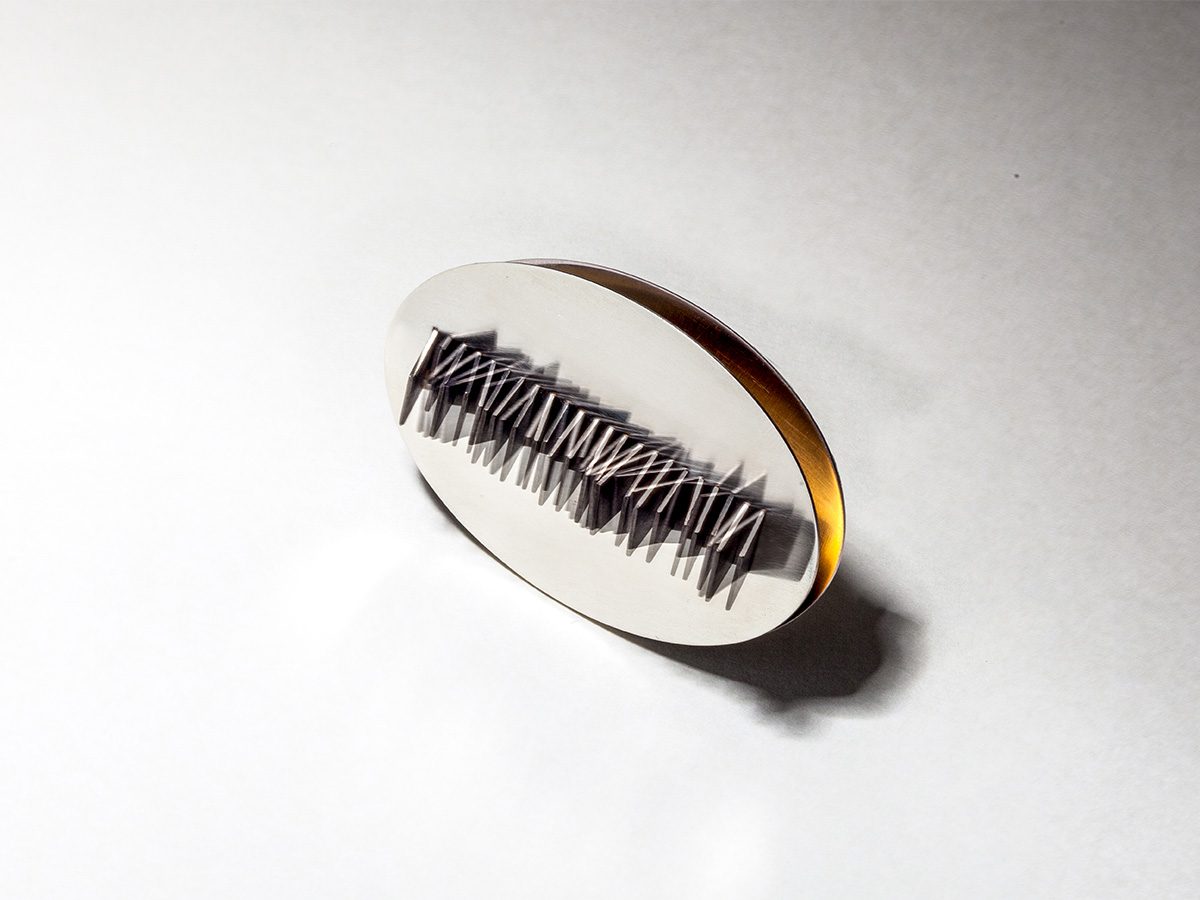
photograph: Shin Myoung Woo, Model: Charlotte Lemay
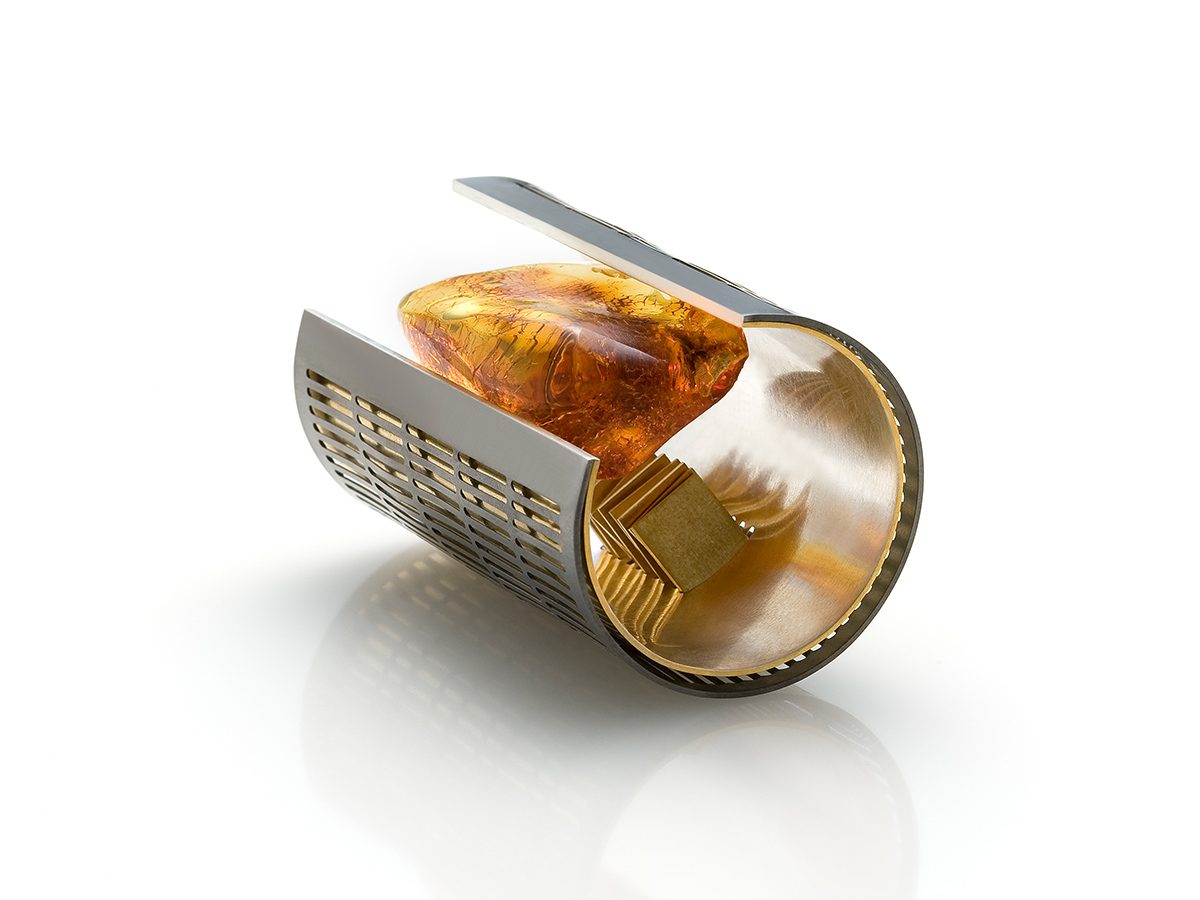
First Prize, XIII International Baltic Jewellery Show Amber Trip Art Jewellery Contest: My Home, Vilnius, Lithuania
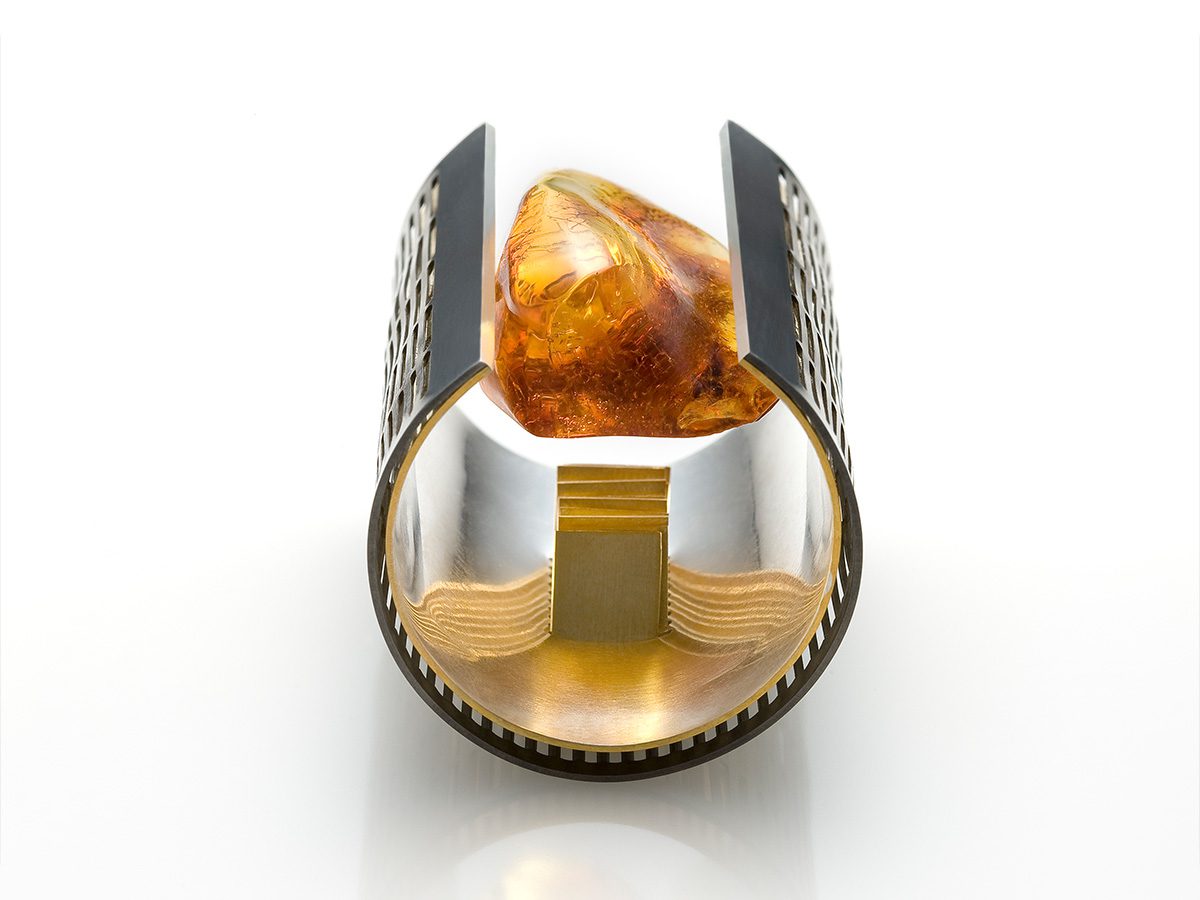
First Prize, XIII International Baltic Jewellery Show Amber Trip Art Jewellery Contest: My Home, Vilnius, Lithuania
And this is another piece that remains deeply meaningful to me. It won first place in an international competition held under the theme “My Home.” The work embraces many ideas — about the environment, the Earth, and motherhood during that period of my life. I was deeply moved that someone was able to understand and connect with it.
The kinetic elements in the piece create a soft sound whenever they move, as if the work itself is alive and breathing. Talking about it brings back memories of many creations, each one carrying a piece of who I am. Every single work holds meaning for me.
9. How do you see jewelry products in a digital society?
The digital age is the age of images. We live surrounded by instant visuals, yet I believe we need to remember the lasting beauty and value of jewelry as a tangible element within this digital world.
In the future, jewelry will be preserved and shared in more diverse ways — as digital records, memories, and symbols.
Still, I believe small pieces of jewelry will remain with us as precious objects that hold emotion and memory. No matter how advanced our world becomes, jewelry endures because it can be passed down from generation to generation — unlike clothes or other possessions. I’ve never seen anyone throw away a piece of jewelry, and that says everything. ^^
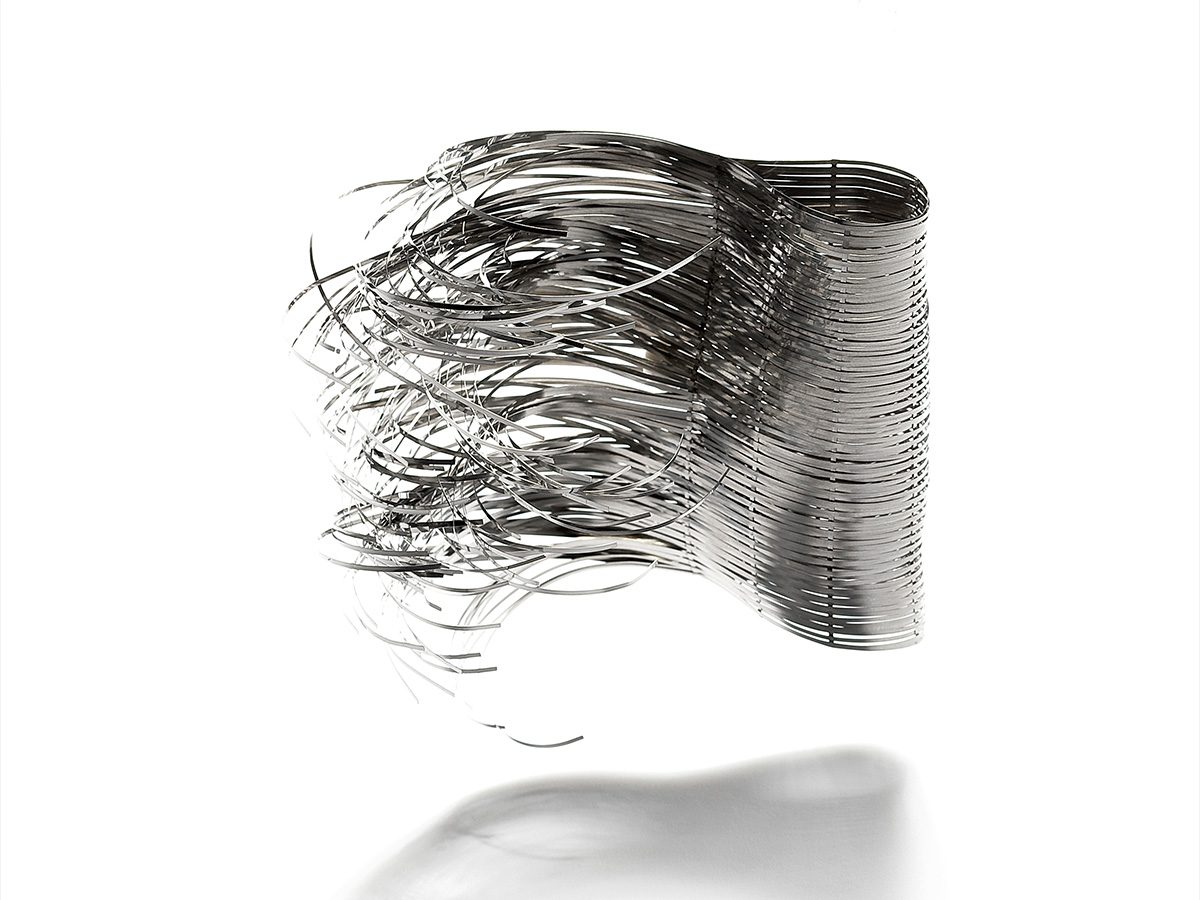
2025, Selected, Beijing International Jewelery Art Exhibition, Beijing, China
10. What do you think is the greatest challenge for a jewelry creator, nowadays?
I can only speak from my own experience, but I believe others may feel the same. Modern jewelry exists at the intersection of many disciplines — design, art, craft, and business.
This diversity is both an advantage and a dilemma. As creators, we constantly navigate between wearable art and the artistic side of industrial production. To move forward, we must embrace all these aspects and continue to educate ourselves — not only as artists, but as thoughtful participants in this evolving field. Only then can we truly grow. Together.
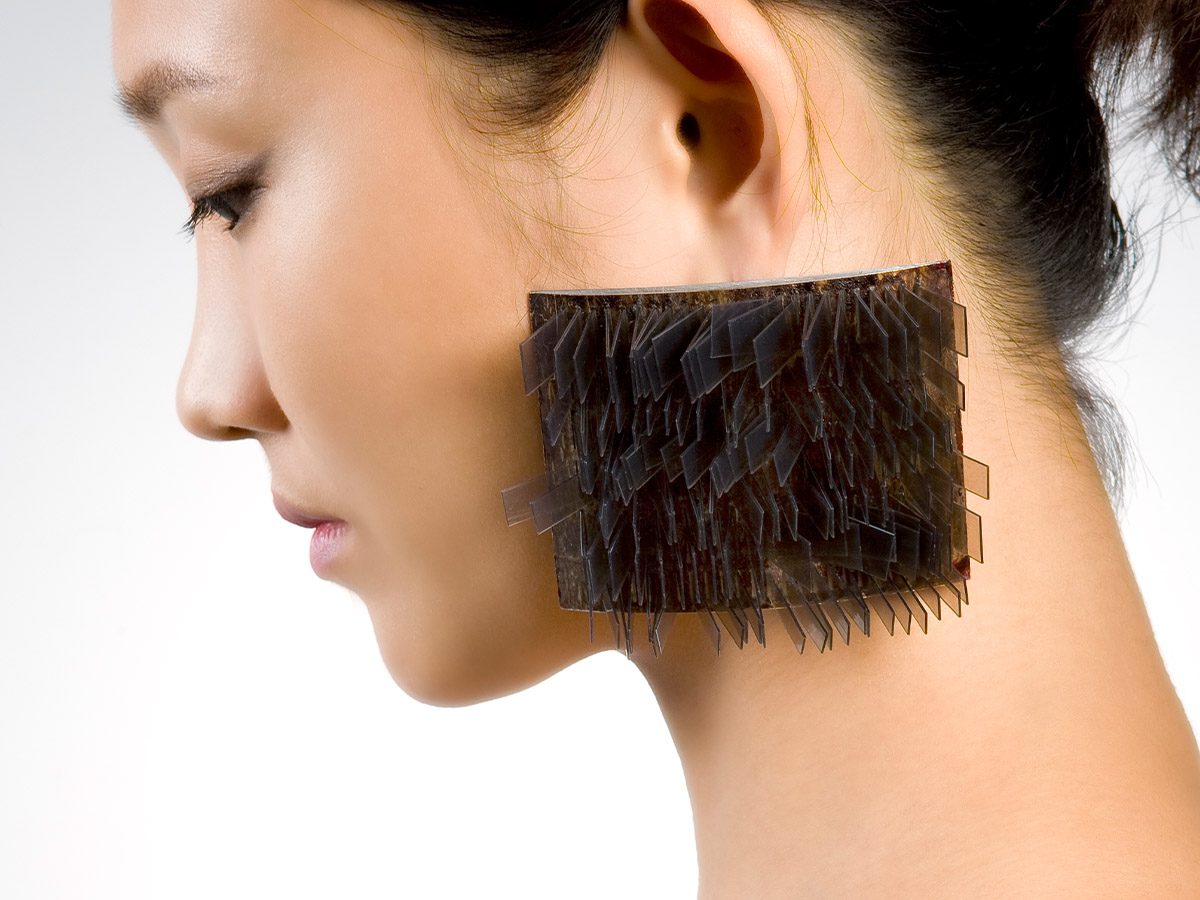
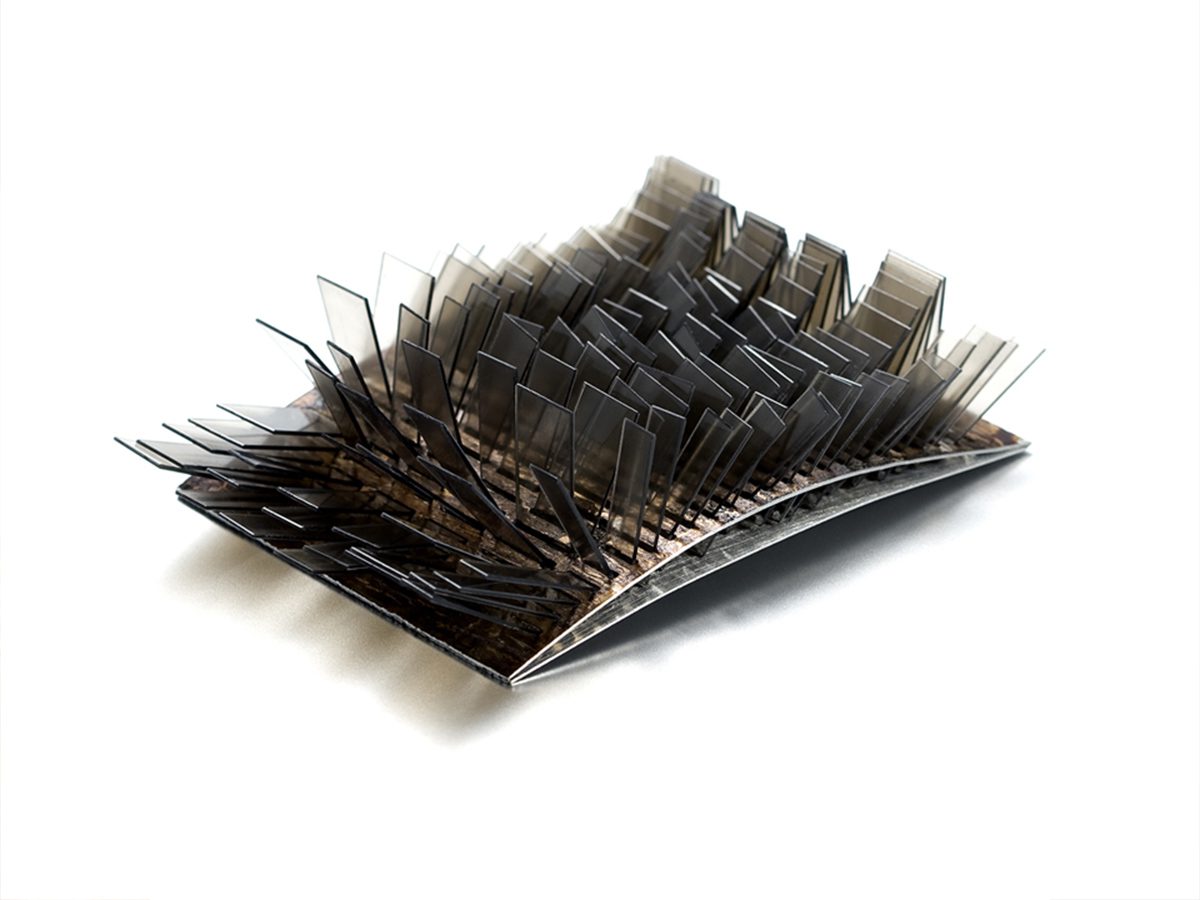
11. Do you have special designers that you follow or admire?
There are two mentors who have shaped me as both an artist and a person. One of them is Hyun Ji-yeon, whose work and words have always inspired me. She encouraged me to develop my own perspective on jewelry and to see creation as a form of personal language.
The other is Kim Buck. I first met him at an award ceremony in the Netherlands, and I immediately felt that he had the warmest attitude toward both his work and the people around him.
That sincerity left a deep impression on me, and it’s why I respect him so much.
12. Can a small earring still give you happiness?
“What’s the biggest feeling that something you have can give you?” Those are questions that I spotted in your IG posts, and I think are still relevant.
Sometimes, an earring or a ring given by someone can bring great comfort during unexpected hardships. Jewelry is an object that moves with us — it travels wherever we go.
Behind every small piece, there is always a person: the one who created it, and the one who wears it. Each carries a story filled with memories and emotion.
Jewelry may be small, but it is deeper and more enduring than almost anything else, because it holds memory. That is why I feel a deep sense of responsibility as a creator. As an artist, feelings of worry, doubt, or even mediocrity often become the driving force that pushes me to grow. I tend to feel lonely at times, but I’ve learned that loneliness isn’t necessarily bad. It doesn’t really matter what kind of feeling you are having at that moment. What’s really important is that you can communicate emotions. Through jewelry.
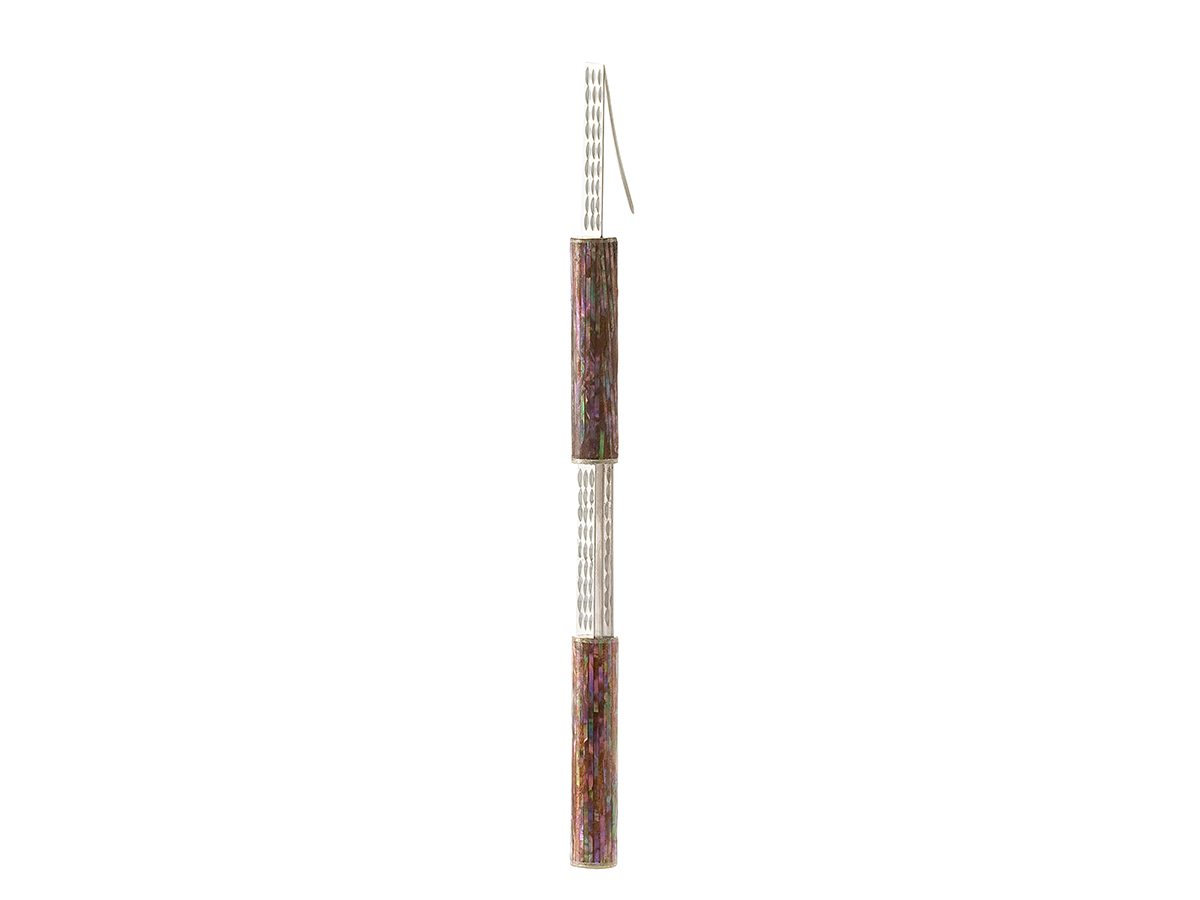
13, You participated at a lot of Romanian Jewelry Week editions, what makes you apply almost every year?
Romanian Jewelry Week, held every October, is a special event where international artists and their creations come together in one place. I feel that the event continues to grow and expand every year. Even though I haven’t been able to attend in person, I find it truly amazing that my work can still be present — speaking on behalf of my story. It’s an exhibition I always wish to be part of, because it allows more people to remember me and to witness the evolution of my work.
If someone remembers me through my creations, there is nothing that could make me happier. That is the reason I continue to do what I do.
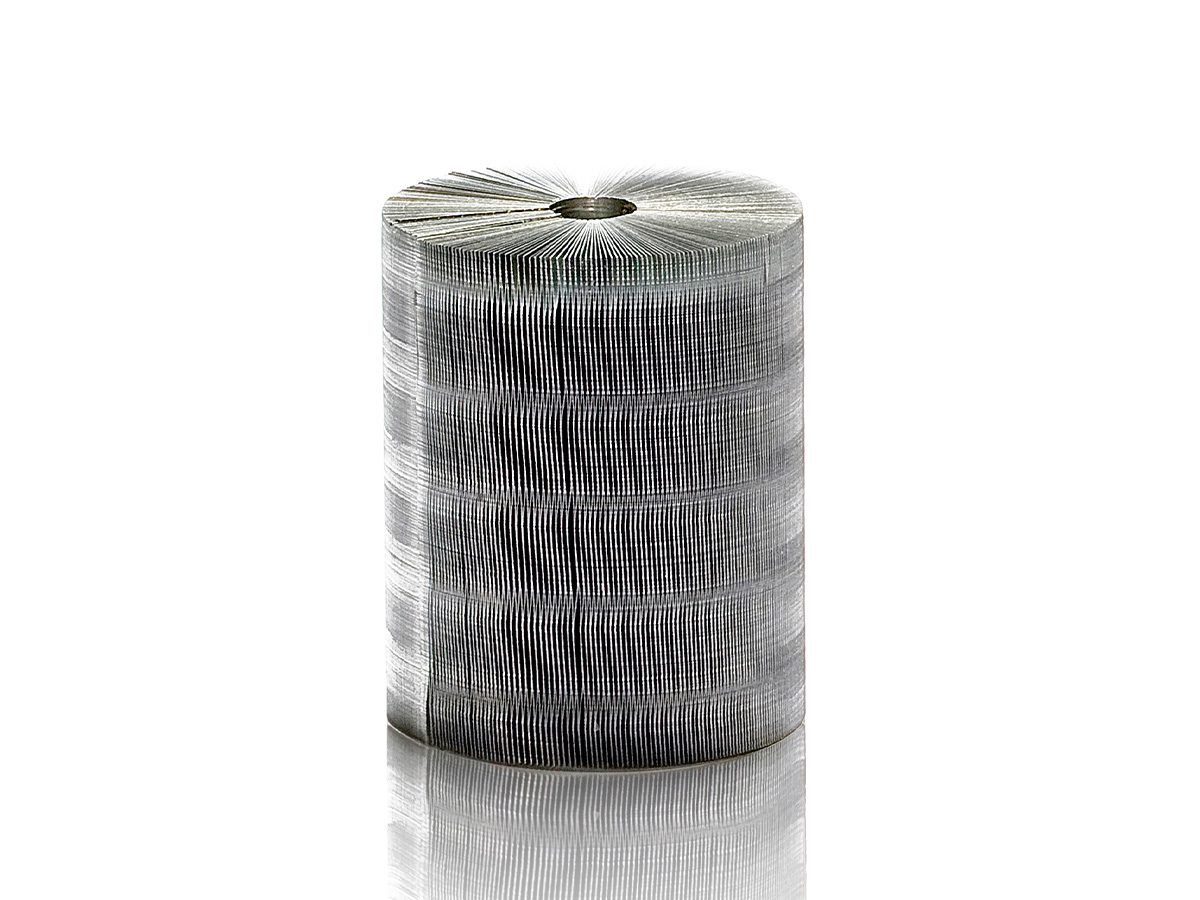
14. What is your Concept?
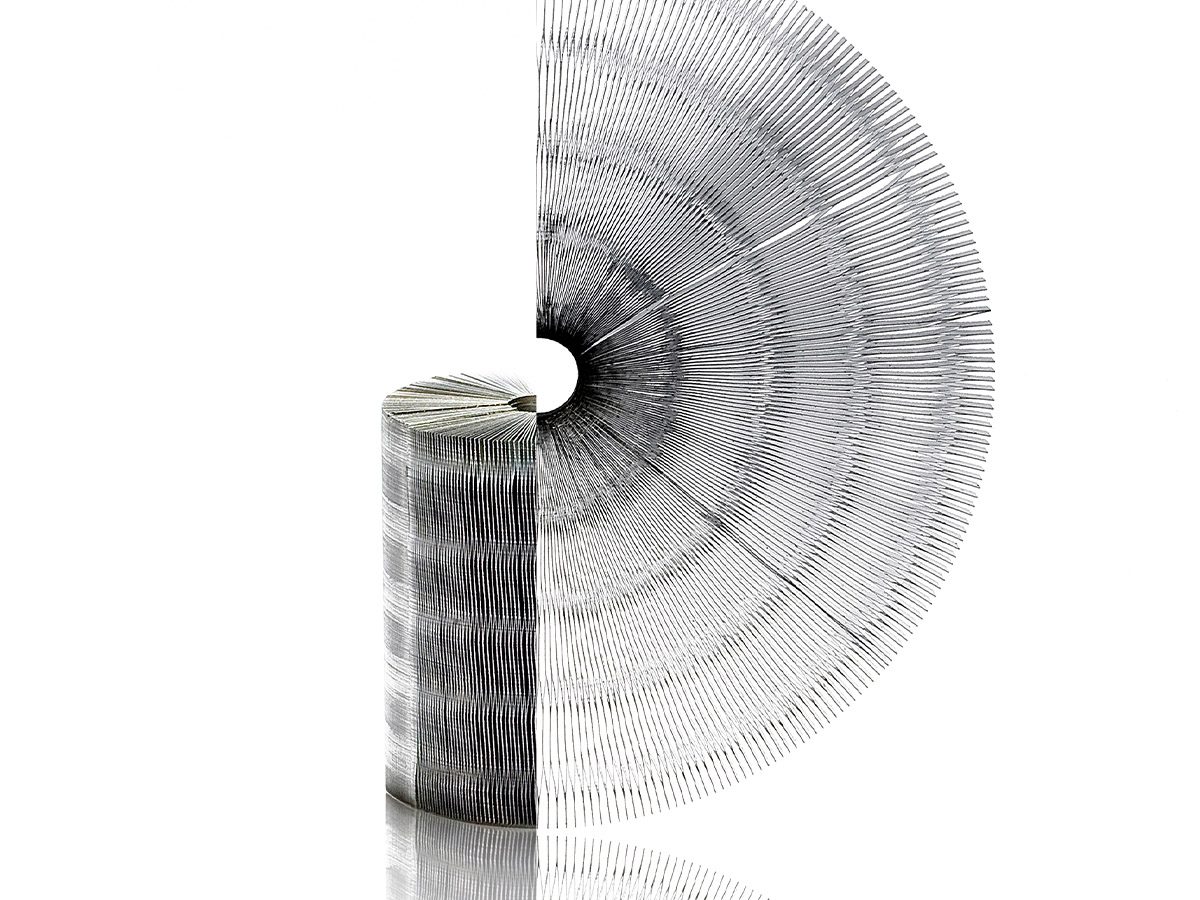
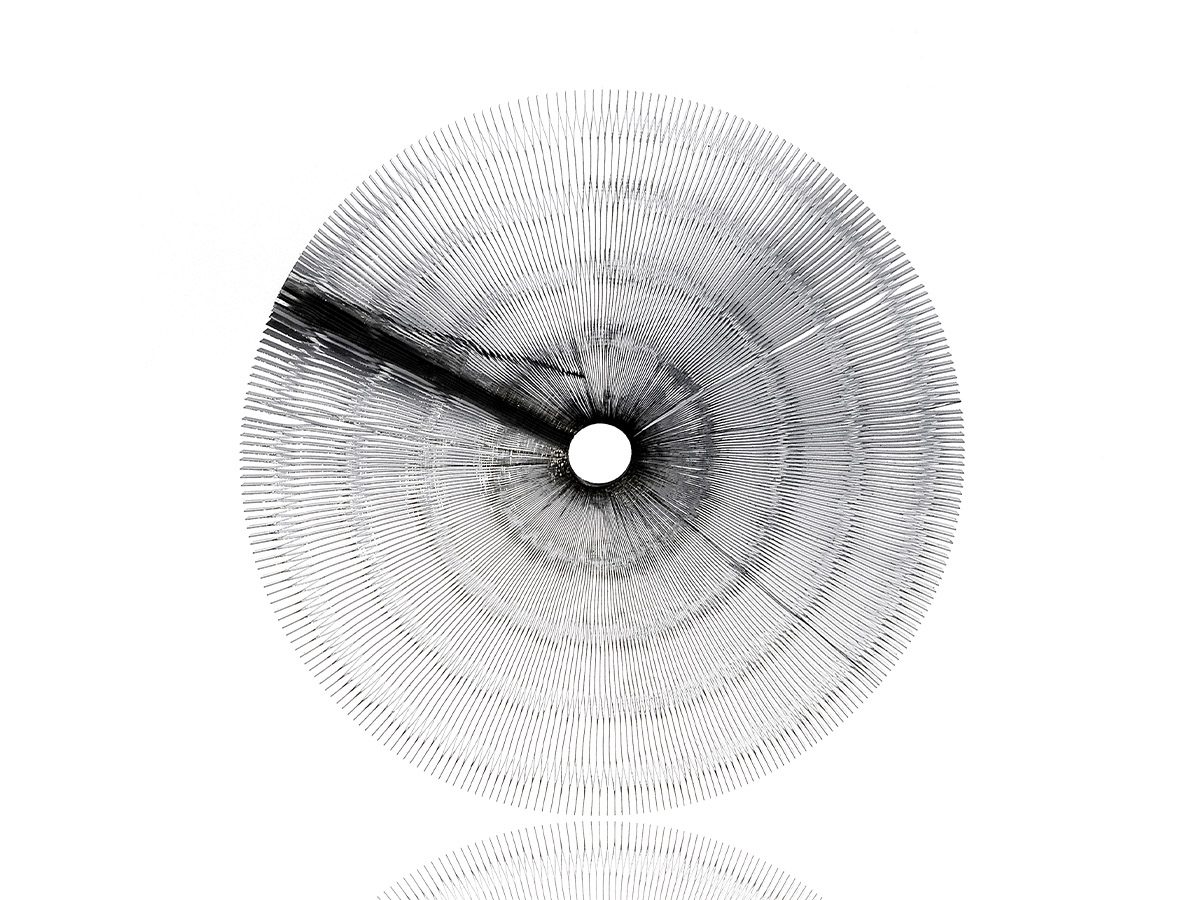
Invisible Pin Visible Time
Inside the piece exists a moving element — it creates an invisible space detached from the main body, suggesting the ambiguity between form and void.
Our perception of space and shape is never clearly defined, and this movement embodies that uncertainty.

