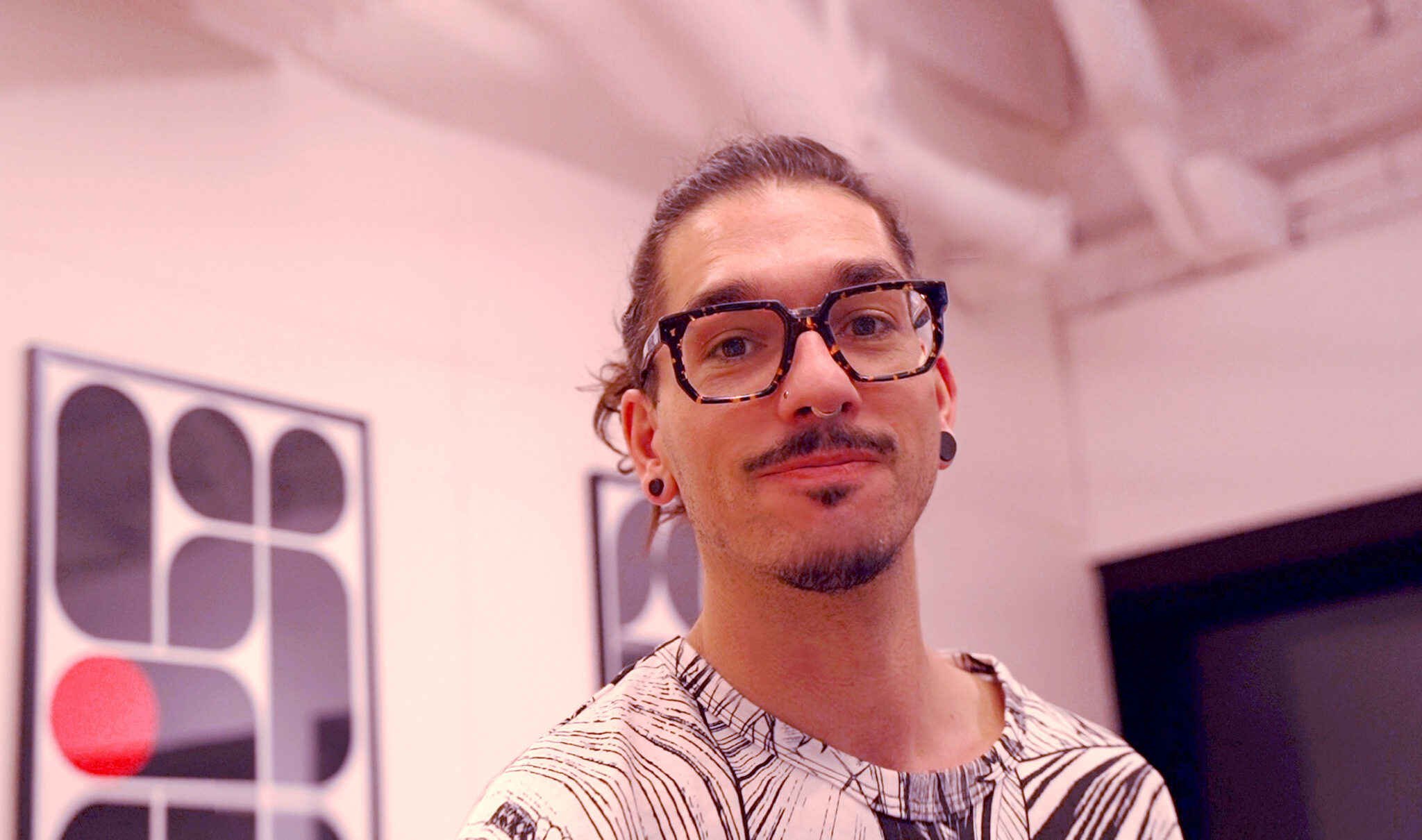
Gervasio Canda is an illustrator, filmmaker, and art director whose distinctive visual language blends a digital and handcrafted sensibility with architectural precision, exploring emotionally charged themes through atmospheric and deeply visual storytelling. His work invites reflection and continually pushes the boundaries of what short film animation can express. Gervasio has gained international recognition for his innovative approach, earning multiple festival awards and critical acclaim for the projects he has contributed to—proving that his creative journey is still unfolding, one vision, one frame, and one story at a time.
As co-founder of Ojo Raro, alongside Paula Boffo and Patricio Plaza, he has helped define a new, deeply personal wave of Latin American animation. Their most recent short film, Luz Diabla, has reached audiences around the world and has been prequalified for an Academy Award—a testament to their bold vision and collaborative spirit. We spoke with Gervasio about how his artistic journey began, his projects and collaborations, the vision behind Ojo Raro, the inspirations that fuel his ever-evolving practice, the process of bringing his cinematic worlds to life, and what lies ahead in his expanding universe of stories.
1. Your work shows such a strong sense of vision and atmosphere. How did your journey into animation begin, and what first inspired you to tell stories through this medium?
My path toward animation wasn’t linear. I grew up drawing a lot—my grandfather was a painter who taught me about color a lot, and I remember spending days together drawing and painting. I went to a technical high school where I learned about machines and technical drawing, fascinated by how things worked. I pursued the academic path and I graduated as an architect, dedicating myself to study form, space, and light. I loved the idea of building spaces meant to be walked through and experienced—but after a while, designing houses didn’t fulfill me creatively. I wanted to create wilder worlds, where emotion could shape space and stories could take form. I never stopped drawing or illustrating, and that’s how I eventually found animation—first through small projects and collaborations that revealed to me a language where everything was possible. After moving to Canada, I joined Epic Games as a Senior Concept Artist for Fortnite, designing immersive environments that merged a bit of what I had been working on for so many years. Slowly I started working more widely as a set designer and art director for bigger animation projects and some in virtual reality, exploring hybrid techniques and spatial storytelling. I participated as art director on Carne de Dios, an award-winning short film that deepened my passion for the intersection between visual narrative, art and emotion. Eventually, we founded Ojo Raro, where I began to get involved more in the process of creating, and directing, and of course designing our own worlds. Today, we continue pushing forward as a studio and as a community, developing our own ideas and original IPs.
2. What draws you to the short film format in animation? Do you approach storytelling differently knowing you have just a few minutes to unfold a world or convey an emotion?
That’s a really good question. What attracts me most about animation is its infinite range of possibilities. There are no limits—worlds, characters, colors, how they move or transform, how they change texture or shape—anything can be used to express emotion, rhythm, and storytelling. In short films, all that is compressed in a fascinating way. There’s an urgency: how quickly we must dive into that world, how tightly the narrative must be constructed—what we show, what we hide, and what we leave unresolved. A short feels like a portal that opens for just a few minutes, allowing us to inhabit a universe, experience a story, and then return.
There’s also the sheer amount of time it takes to make every second of animation—it forces you to be incredibly precise about what you’re saying. You can’t just “let the camera roll.” You need to know exactly what story you’re telling and how you’re going to tell it. That precision is a huge challenge, but also what makes short films so powerful—they’re like arrows to the heart, stripped of anything unnecessary and pure in intent. Little flashes of worlds and emotions that pull us out of the everyday noise—and all the chaos happening in the world.
3. Where do you usually draw your creative inspiration from? Was there a particular idea, image, or emotion that sparked the creation of “Devil’s Beacon”?
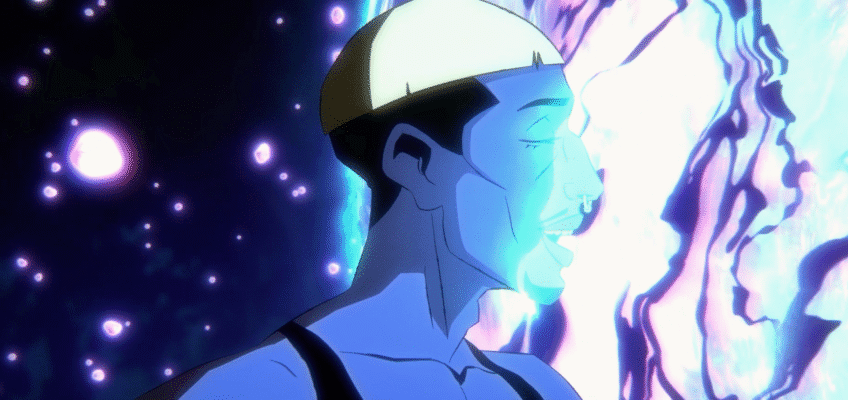
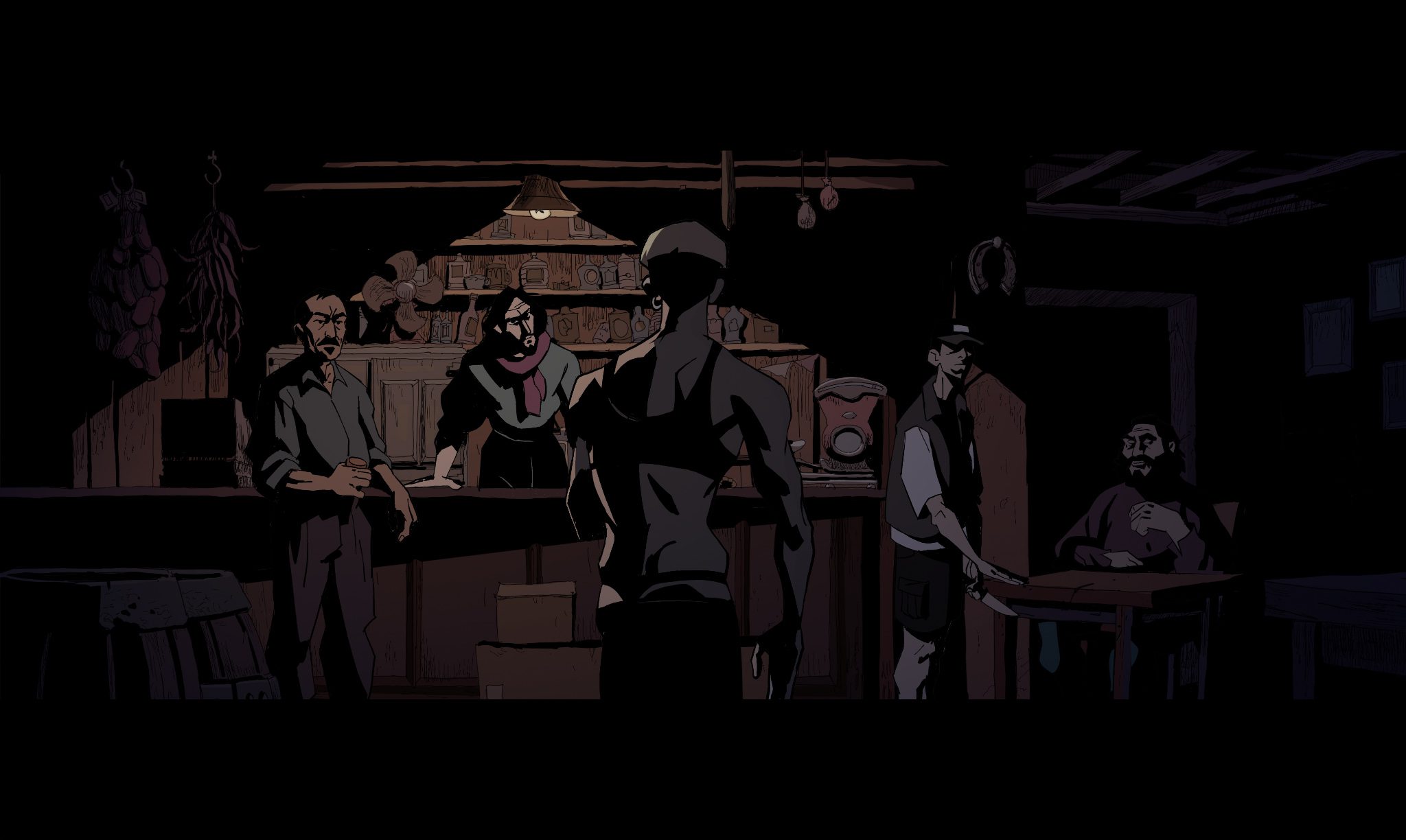
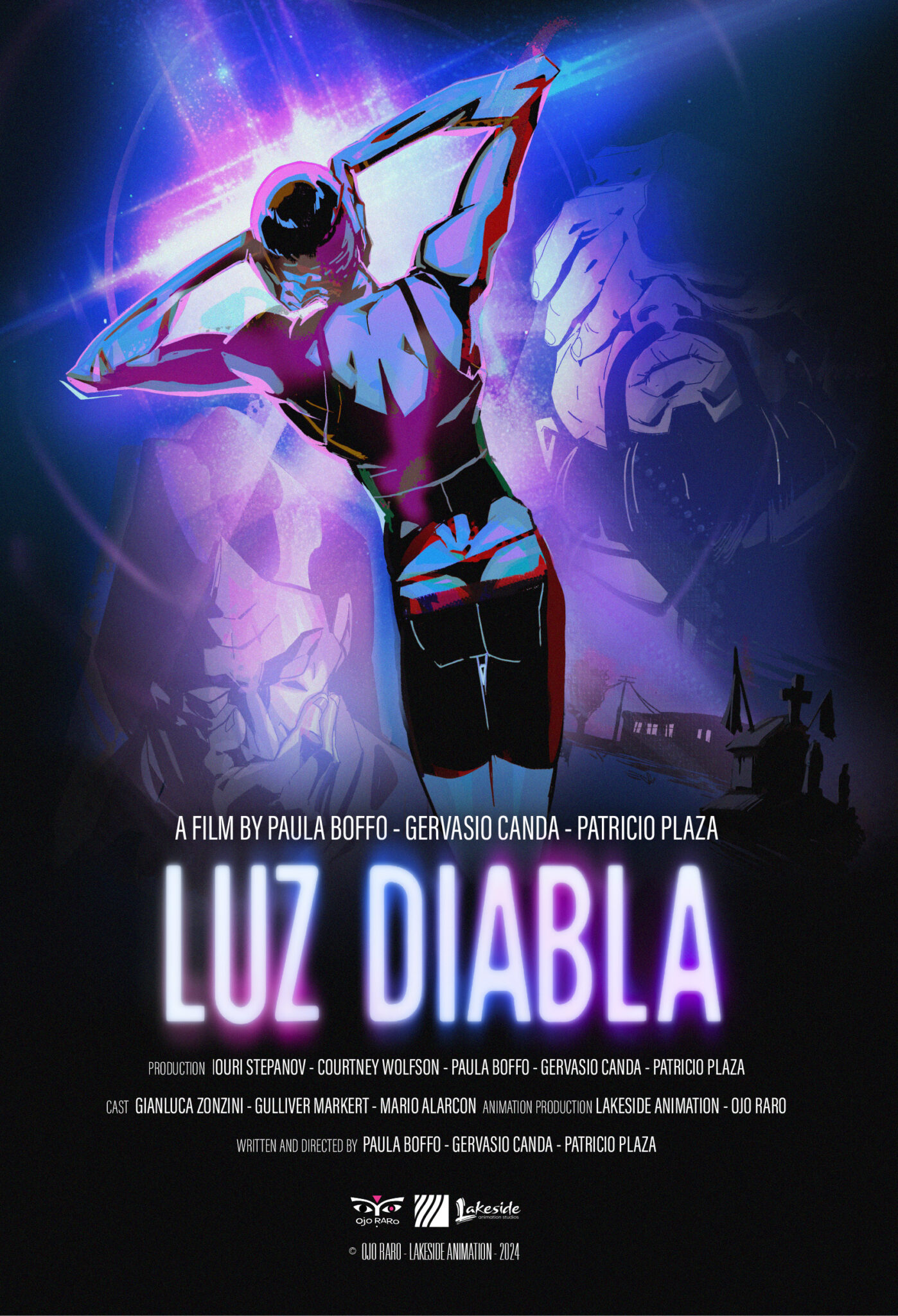
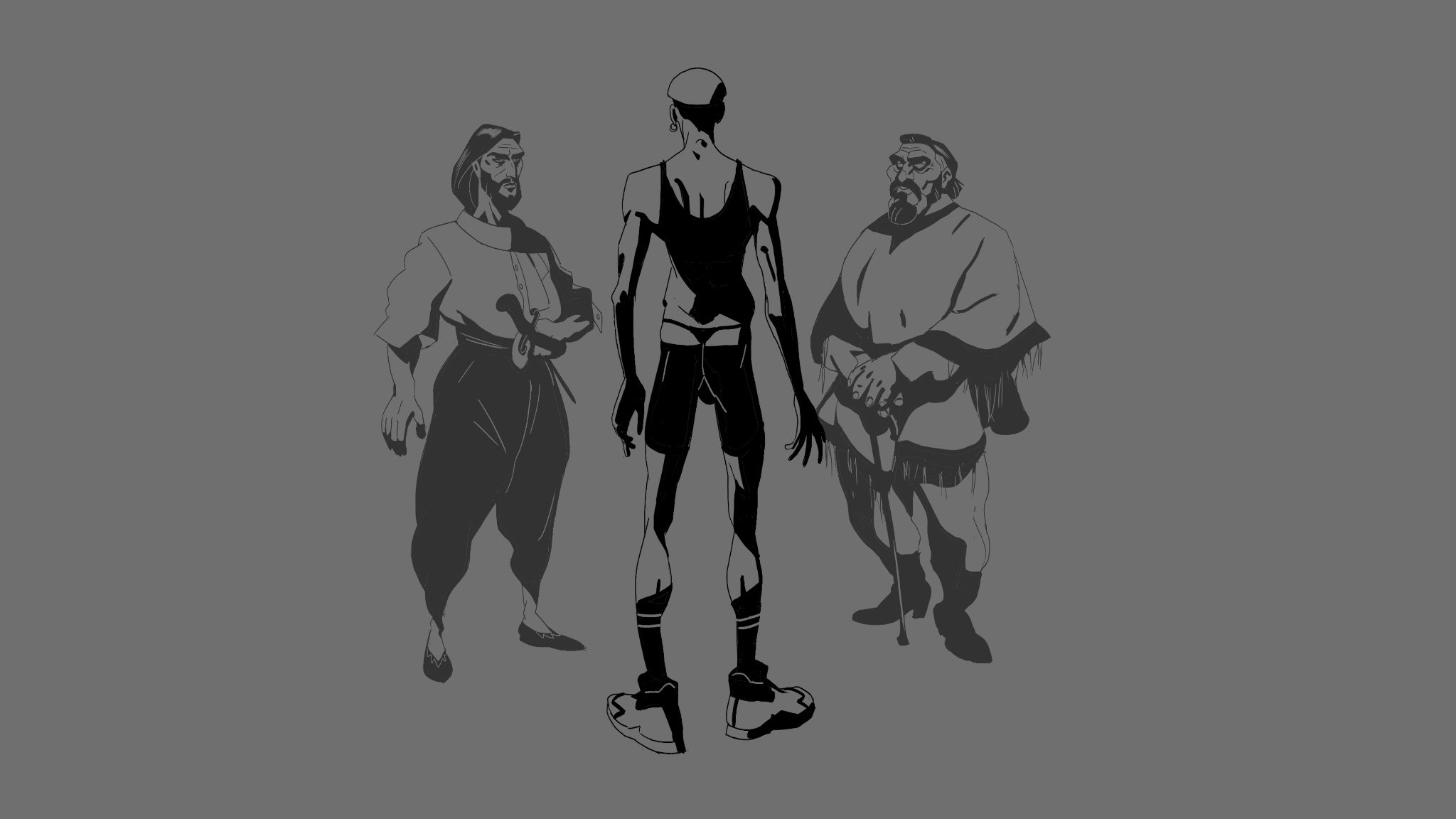
Yes! It came from a need to look inward—to explore our own cultural roots. We wanted to make something in the realm of folk horror, reclaiming certain rural pagan entities and setting them against the modern urban world around us. That’s where the idea of the raver and the gauchos came from: two very different worlds that somehow mirror each other.
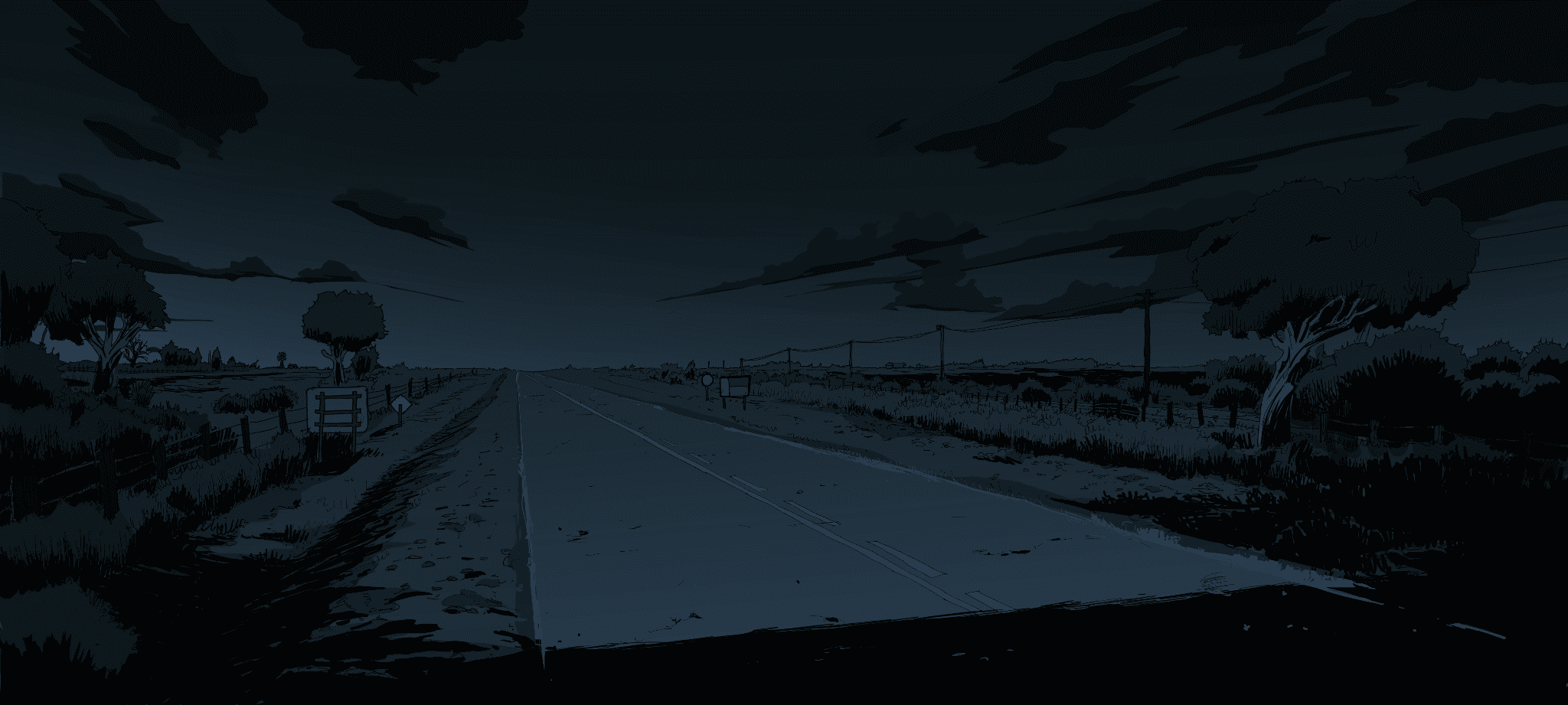
We explored several concepts until we landed on La Luz Mala, a myth I actually experienced firsthand. At the time, I was living in the countryside, and I have vivid memories of the sounds, the silence, and the way fear becomes spatial. The horizon was terrifying—knowing that for miles and miles there was nothing but open land. It’s hard to describe, but it makes you feel tiny against the vastness of the landscape and the sky, with its incredible sunsets and moonlit nights.
All that fused with a dream Patricio had one night—an erotic vision that became the idea for the final party and the notion of gay horror. We loved that extra layer, and that’s when we really began to create: shaping the triangle of characters, their backgrounds, their motives, and—most importantly—their encounter with the Luz Diabla.
4. Could you take us behind the scenes of your process — from that first spark of an idea to the finished animation? What does your workflow typically look like? When collaborating with other creatives, how do you work together to develop the story? How do you collectively decide on the animation’s pacing, the overall mood, the music, and even the characters’ voices? Could you walk us through how these creative decisions are shared and shaped as a team? We’d love to hear how these creative decisions evolve as a team.
Our process is quite fluid. Some projects begin as personal ideas from one of us and then grow through input from the others. The core of Ojo Raro is three of us—Paula, Patricio, and me—but we always collaborate with extended teams of artists who’ve worked with us for years. Many of them have their own projects too, so we’ve built a kind of creative family where collaboration is natural.
Our focus is very collective—rooted in a sudaka vision, telling genre stories from Latin America’s perspective, exploring the anomalous, the monstrous, and always socio-politically charged.
With Luz Diabla, we experimented with co-directing as a trio for the first time. It was both challenging and revealing—it helped us understand each other’s ways of thinking and working, what each of us values, and how to build a shared creative language. We each have stronger skills in certain areas, but we always listen to one another. Beyond agreeing, it’s about admiration and curiosity: seeing things through each other’s eyes.
5. Do you find yourselves reworking or changing details as a project unfolds? Has there ever been a moment when an unexpected change made a piece stronger?
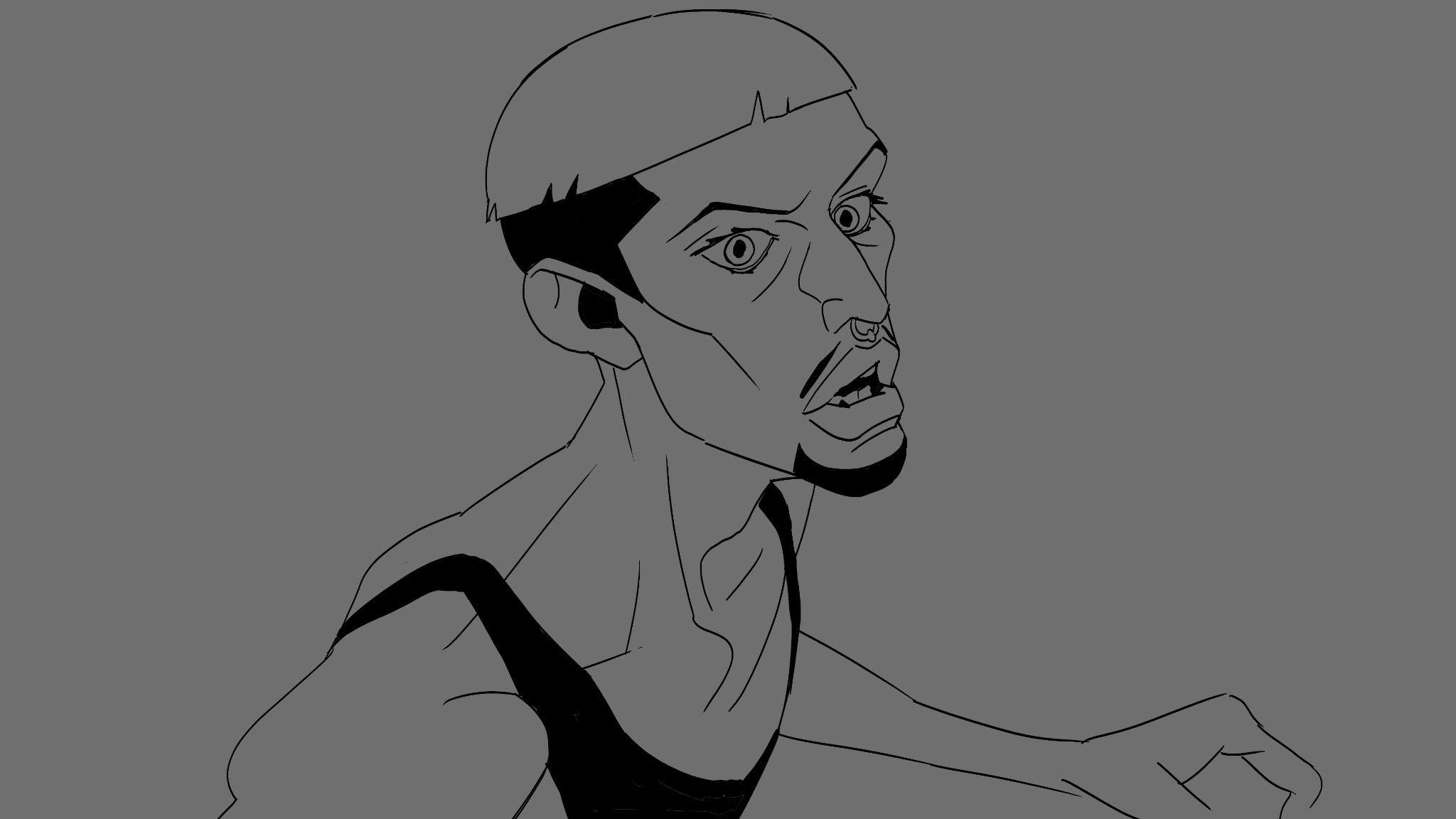
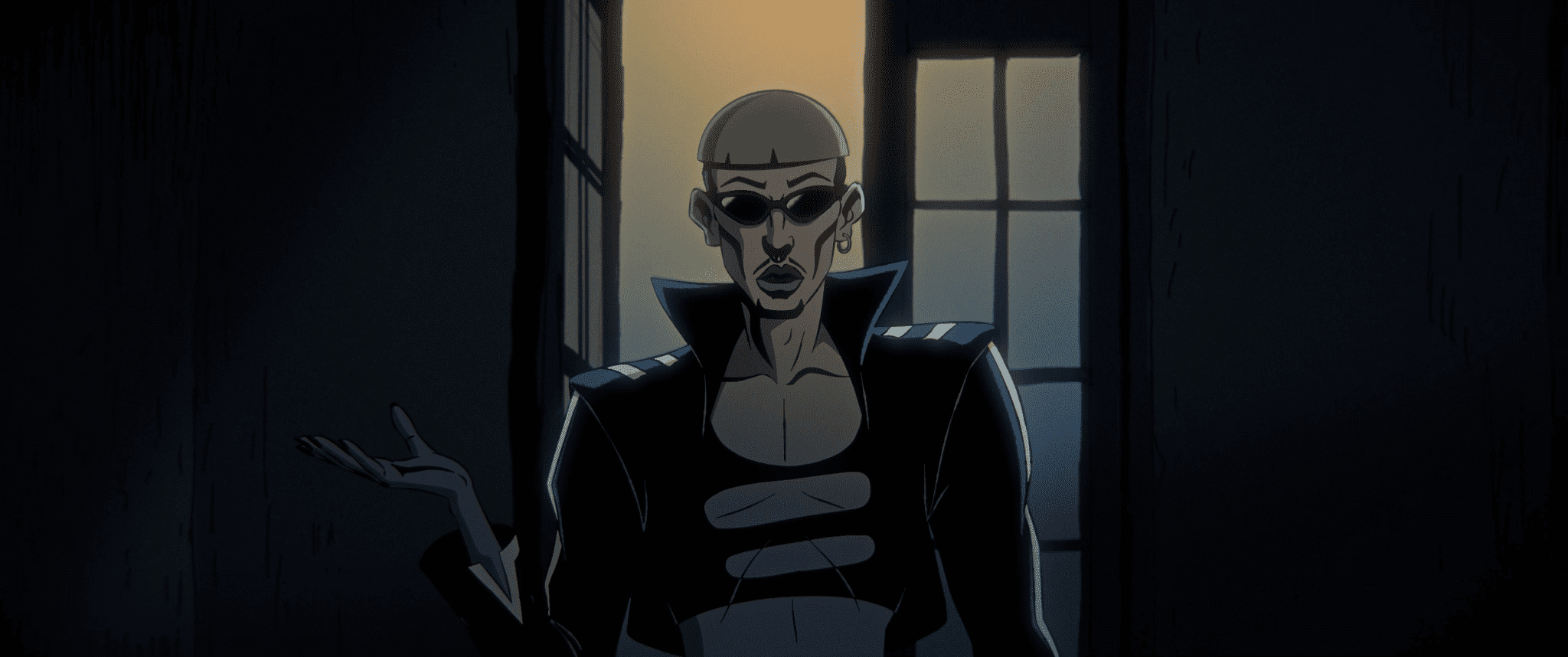
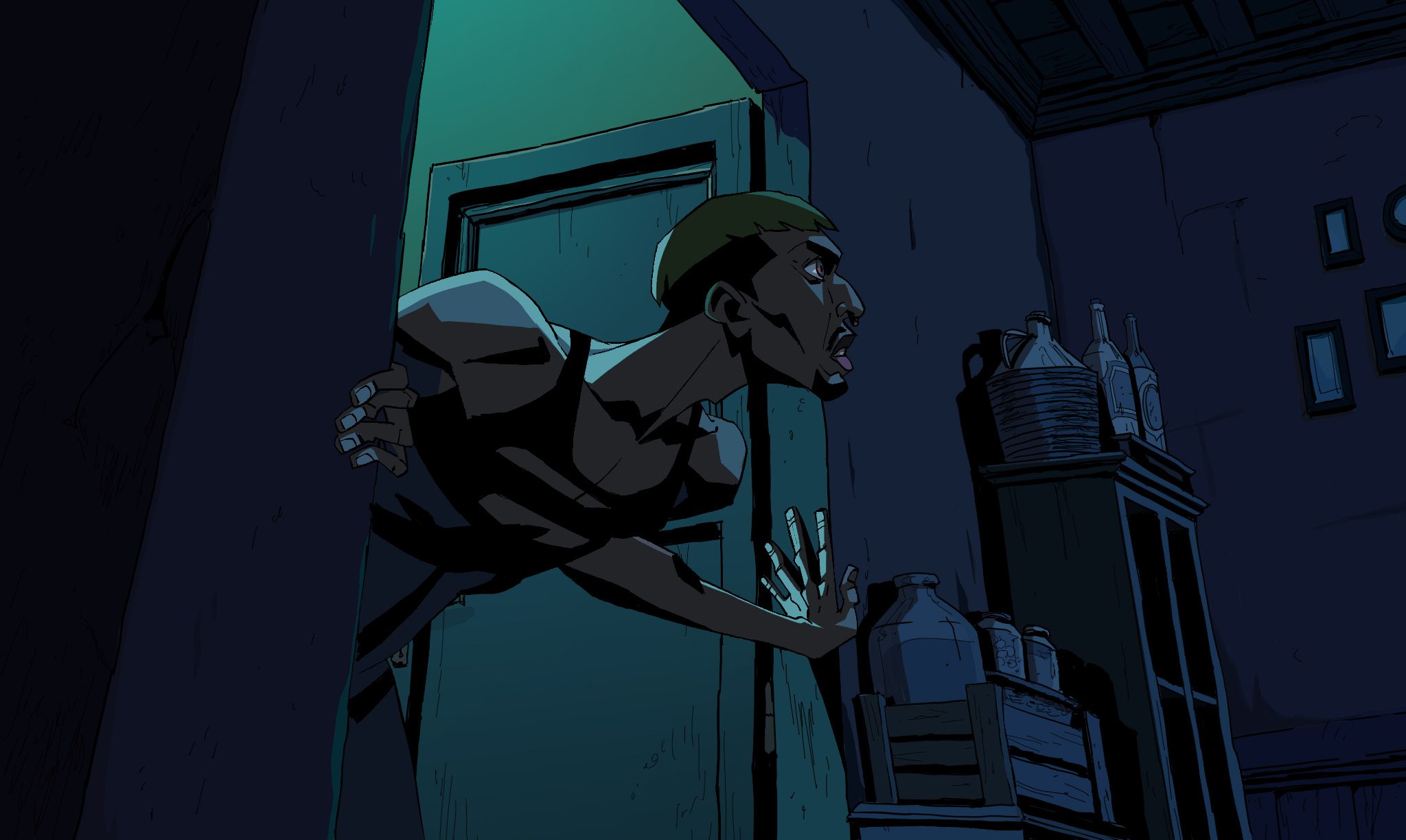
Yes. The entire party sequence was redone from scratch. The first version didn’t reach the level of intensity we needed for the climax. Luckily, we realized it early enough, before moving to color. We went back to layout and animatic, searching for ways to make the “light” feel like a true presence—something seductive that lures you in and then destroys what you love.
The myth of the Luz Mala isn’t that it’s purely evil—it’s that it confronts you with yourself, with that version of you that’s not always the best one. Reworking the scene was absolutely worth it. Combined with the music, it brought a shift in rhythm and tone that truly elevated the climax.
6. What are some of the unique challenges you’ve encountered when creating short animations — whether technical, creative, or time-related? How do you usually overcome them?
Carne de Dios was a huge commitment—both emotionally and thematically. The production took around three years to complete, since it was funded through public grants. It required a lot of perseverance and love.
Every member of the team connected deeply with the story and its resonance across Latin America—the inquisition, the destruction of Indigenous cultures. That shared energy is what gives the film its power.
From a technical point of view, it was very demanding. The backgrounds were all hand-painted in watercolor, and many scenes take place in a cornfield—a challenging environment to render. We had to build a custom library of assets and a tedious watercolor process that, when multiplied across 300 backgrounds, became monumental. But it paid off—the film’s grain, analog texture could only have been achieved that way.
7. What tools or software do you rely on most in your animation work? Have your methods or technical preferences evolved over the years?
I draw—a lot. It can be on paper, in Photoshop, or modeling in Blender… any tool that lets me capture an idea quickly so I can communicate or save it. I love finding ways to visualize a concept, a transition, or a narrative beat—that’s the part of concept art I find most fascinating.
Everything related to design is what drives me most. Lately, we’ve been using more 3D tools, since some projects require it. I’m interested in mixing those digital workflows with more traditional, handcrafted aesthetics—keeping that hybrid, textured feel alive.
8. How would you describe your studio? Is it more of a calm, focused environment or a vibrant creative space filled with sketches, references, and experiments?
We work mostly through video calls, so the physical side of the studio feels somewhat dispersed. We live in different countries—Patricio and Paula are in Argentina—but even then, we travel a lot for festivals or residencies, so our meetings tend to happen on the move.
Still, a few times a year we meet in person at festivals, and those moments are really special. We spend quality time together as friends, as partners. We share thoughts, ideas, and sometimes hold intensive sessions to think about where we’re headed as a studio and as a collective.
9. Among all your projects, is there one that holds a special place for you personally? What makes it stand out in your body of work?
Honestly, all of them. I’m the kind of person who gives everything once I’m involved. Especially because our projects tend to be socially, politically, and culturally committed—it’s impossible not to care deeply about making them real.
Right now, El Elegido (The Chosen One) is a big challenge for me. It’s a project that can be experienced in three ways: as a short film, an immersive installation, and through a social media avatar. That means three different narrative structures and visual languages working together. It’s a huge challenge—but also a fascinating one that pushes me to think in new directions.
10. Which of your films has resonated most with audiences? Have their reactions ever surprised or influenced you?
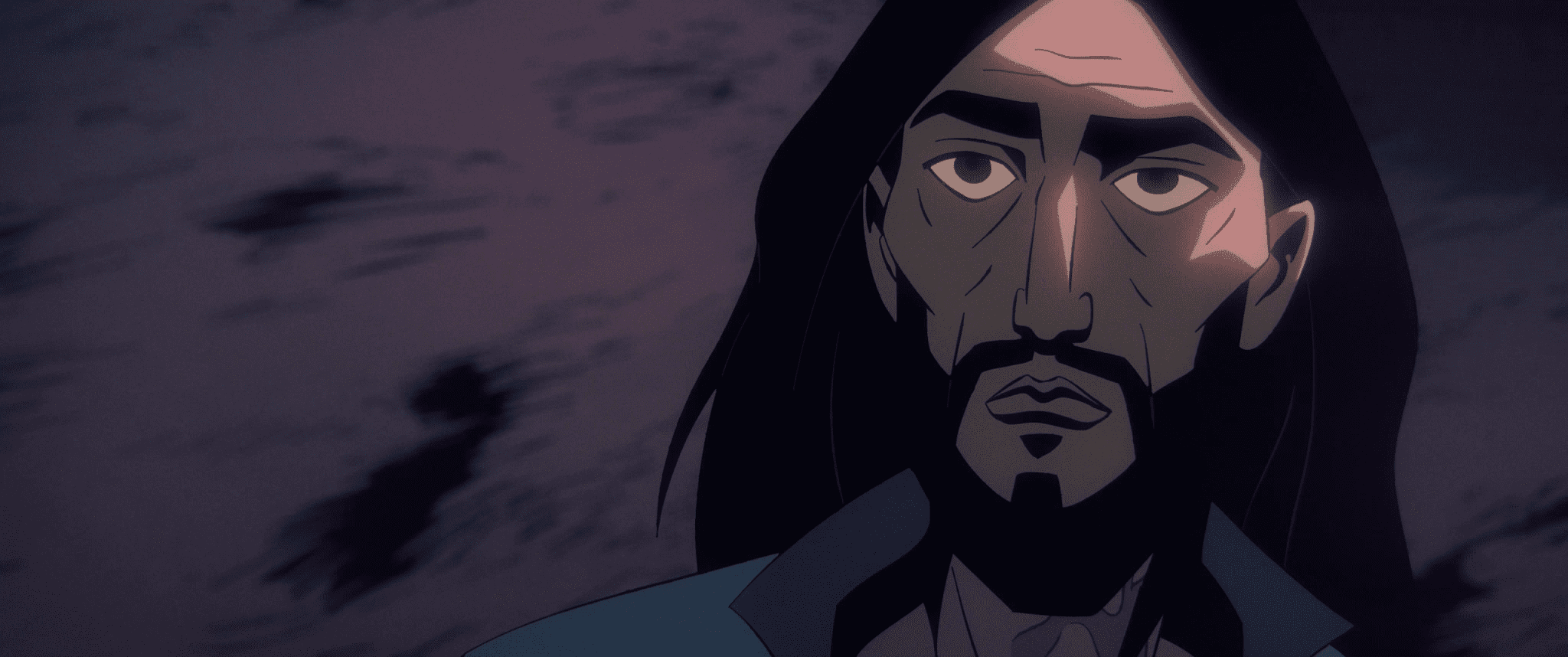
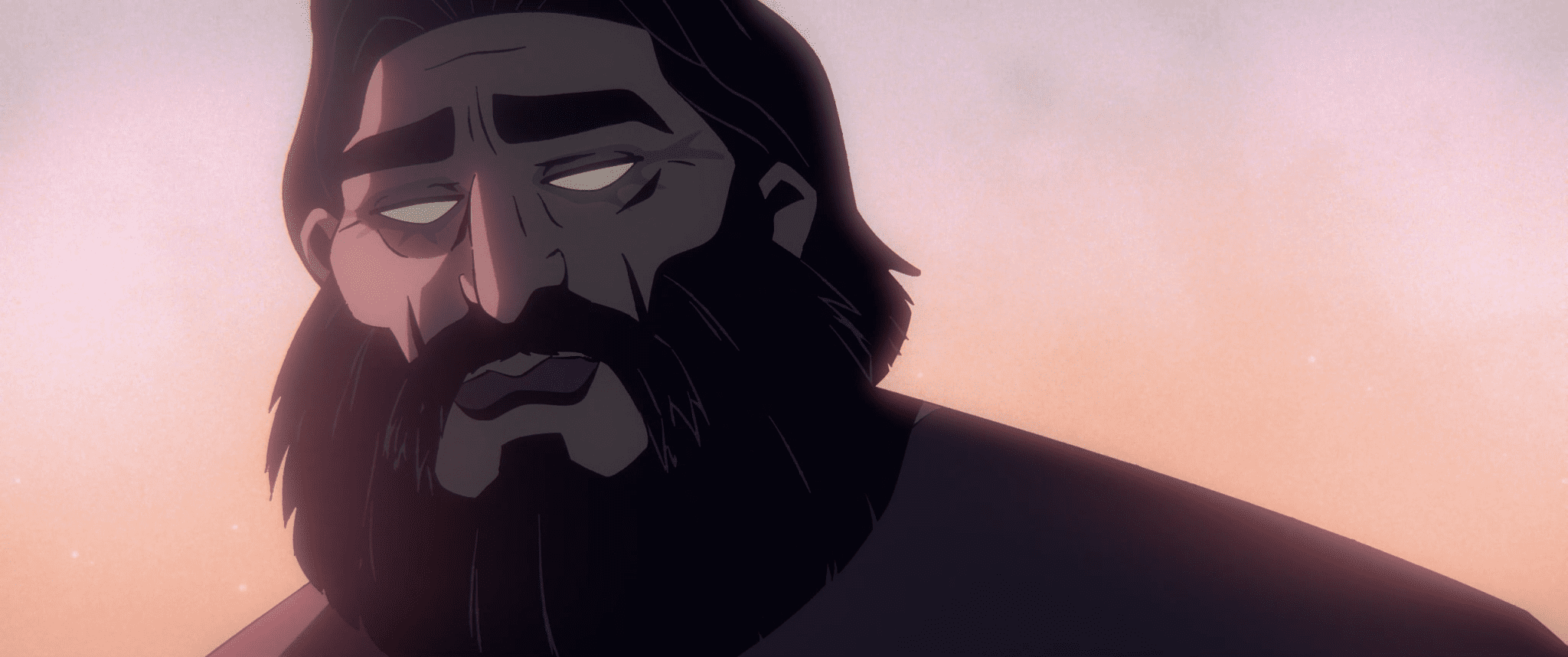
Both Carne de Dios and Luz Diabla connected strongly with audiences. Santa Sombra too, had a great impact, it was done previously by Pat and Paula. They’re very different projects, but all of them tell solid, emotionally charged stories. Building that sense of journey within a short film is pure magic—it’s what allows it to hit hard and resonate with people.
Whether audiences love or hate a movie, it doesn’t matter as much as whether it makes them feel something. If it connects, if it moves them, it’s already fulfilled its purpose.
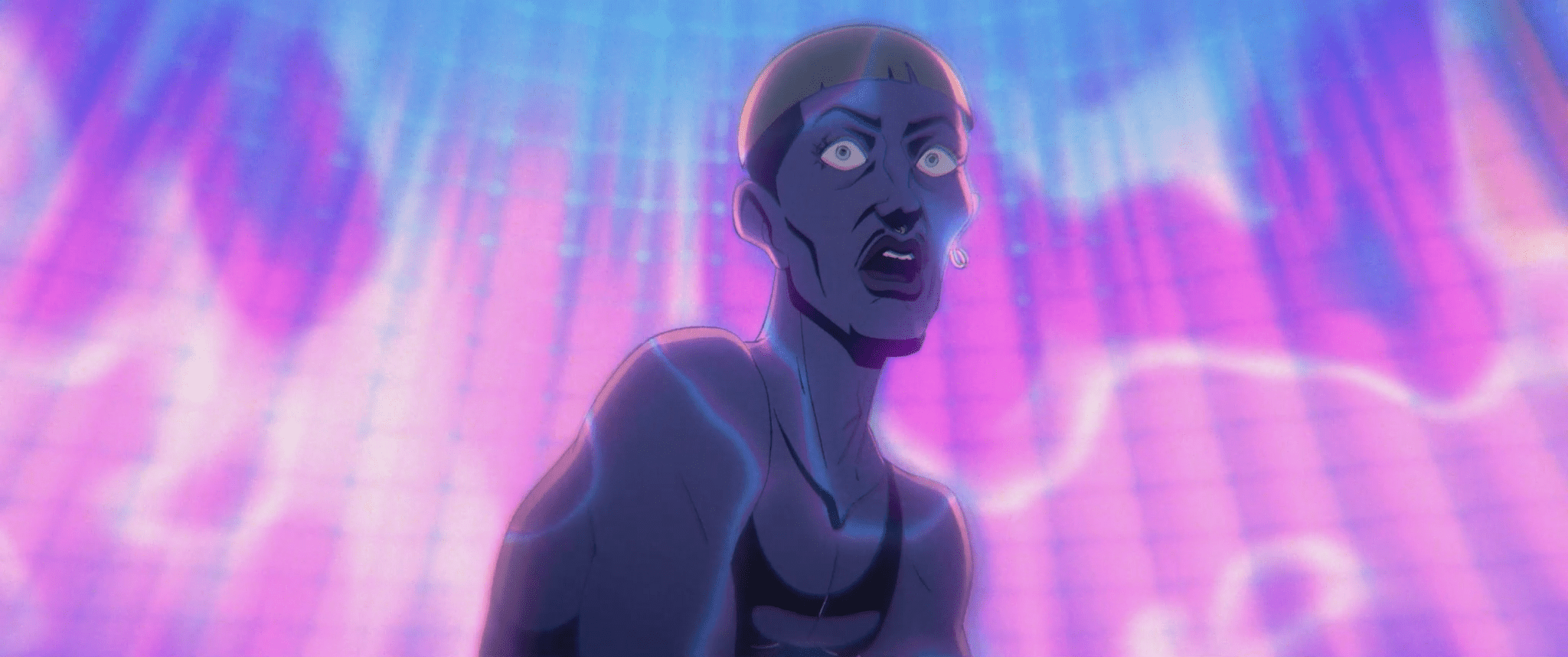
11. Your films have garnered significant recognition on the international stage. Luz Diabla (Devil’s Beacon) won the Best International Animated Short at the 37th Galway Film Fleadh in 2025 and the Rigo Mora Prize for Best Animated Short at the 40th Guadalajara International Film Festival, which also qualified the film for the 2026 Oscars. Additionally, Devil’s Beacon was selected for the In the Palace International Short Film Festival. How has this recognition influenced your creative journey and your approach to storytelling in animation?
It reinforces my drive to do something different—to explore difficult or intense themes and turn them into stories that take you elsewhere, even if just for a few minutes.
The premiere at Sundance opened many doors for us, especially in the North American market. Luz Diabla was screened in dozens of U.S. festivals—something that hadn’t happened with Carne de Dios, which had a more European and Latin American circuit.
Beyond big festivals, what matters most is that the film reaches people. We’re just as proud to screen in a small Latin American or Eastern European festival as to be prequalified for the Oscars. More than prestige, what moves us is knowing the film connects—even briefly—with audiences around the world.
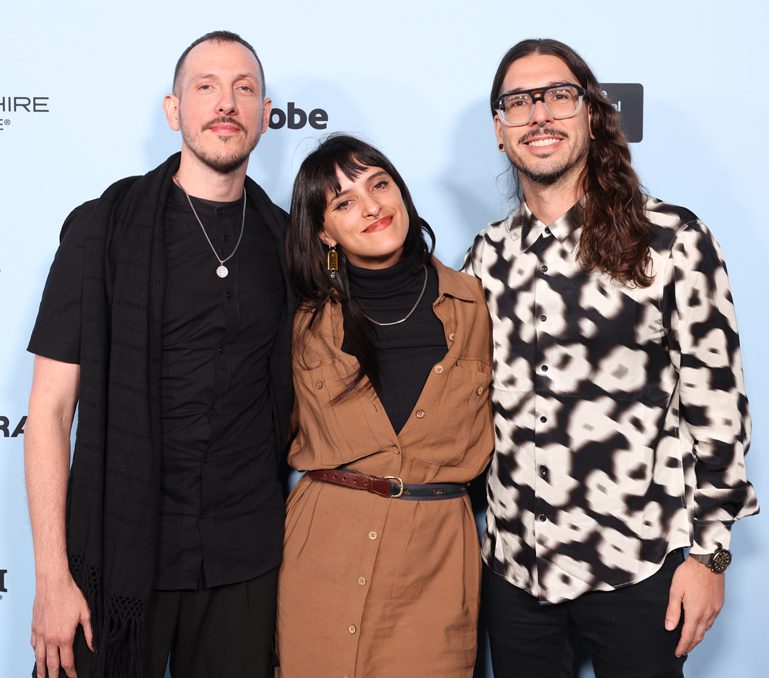
12. Ojo Raro brings together the creative talents of you, Patricio Plaza, Paula Boffo, and others as a collaborative force in animation and storytelling. Could you tell us about the group’s overall vision and activities? How do the different perspectives and skills of each artist contribute to the collective’s unique approach and projects?
Each of us has our own strengths, but we also explore new territories and participate in each other’s projects. That’s what makes Ojo Raro feel like a family. Every project is built not only with shared resources, but with shared vision, intuition, and care. We try to contribute from our individual experience, but also to nurture a collective path—one that grows through trust, dialogue, and experimentation. Ojo Raro isn’t just about making films; it’s about creating spaces for reflection and collaboration, about questioning the systems that define how stories are told. For us, creating from Latin America means embracing complexity: the beauty and the chaos, the wounds and the imagination. It’s about transforming contradiction into language, and power into creation. That’s where our strength lies—as a studio, but also as a community that believes in art as a way of resistance and reinvention.
13. Do you mentor or collaborate with emerging artists? What advice would you give to those hoping to enter the world of animation today?
Yes. I’ve been teaching Art direction for three years at a school in Colombia and also mentor professional studios through a Ministry of Culture program. I love diving into the worlds that new artists are building—it’s inspiring to witness that creative birth.
My number one advice: patience. Animation takes time—to think, to fund, to make, and to finish. So be patient.
And second: collaborate. Get involved in other people’s projects. That’s how you learn, grow, and build community. Animation is a collective art form, and that’s exactly what makes it so powerful.
14. If you weren’t creating animated films, what other creative path might you have taken — or would you like to explore in the future?
I’m deeply passionate about music. I’m a drummer, still play, and even had bands that toured. But I always knew it would remain a secondary passion. If I weren’t making films, I’d probably be a professional musician. Or maybe a painter/sculptor. That also fulfills me—the idea of having an exhibition exploring themes and my personal style, a technique, a conceptual foundation from which to express myself.
15. What’s next for you? Are there any upcoming projects or themes you’re particularly excited to dive into?
A lot! We have many projects in development—some more experimental, others more narrative—but all made with love. What excites me most is continuing to explore how stories can expand beyond the screen, into immersive, performative, and musical experiences.
All images courtesy of the personal archive of Gervasio Canda.

