
I came across MUSUBI KILN at the Ambiente fair in Frankfurt, and I must say, I was truly impressed by their creations. MUSUBI KILN is specialized in authentic Japanese crafts, showcasing the artistry and cultural heritage of Japan to the world. Each item is carefully chosen and curated from artisans’ workshops across Japan, allowing the public to explore unique pieces that carry rich stories.
I invite you to discover their brand and to discover the deep traditions that MUSUBI KILN represent in their craftsmanship.
1. On your website, you mentioned that your main goal is to serve as a role model and a catalyst for change within the traditional craft industry. How does MUSUBI contribute to this transformation?
Japanese traditional crafts are the crystallization of philosophy and technique passed down over centuries. Yet today, many craft-producing regions face a decline in successors and an aging generation of makers. No matter how extraordinary the skill or aesthetic, if it cannot be handed to the next generation, it will be lost. What we do every day is quite simple. We visit the craft regions, meet the makers, and immerse ourselves in the stories behind their work. Then we translate those stories into words and forms that resonate with people’s lives around the world.
Many makers are not accustomed to talking about their own work. Techniques refined over decades and philosophies rooted in their land often remain unspoken. We carefully draw out these values that have not yet found words, and carry them to the world. Rather than treating tradition as something to be consumed, we want to connect it to the future as something that lives on in everyday life. When that happens, makers can continue their work with pride. That is what „transformation” means to us.
2. Could you tell me more about the company’s origins? What events contributed to its growth and expansion? How were the first 6 years on the international market for MUSUBI?
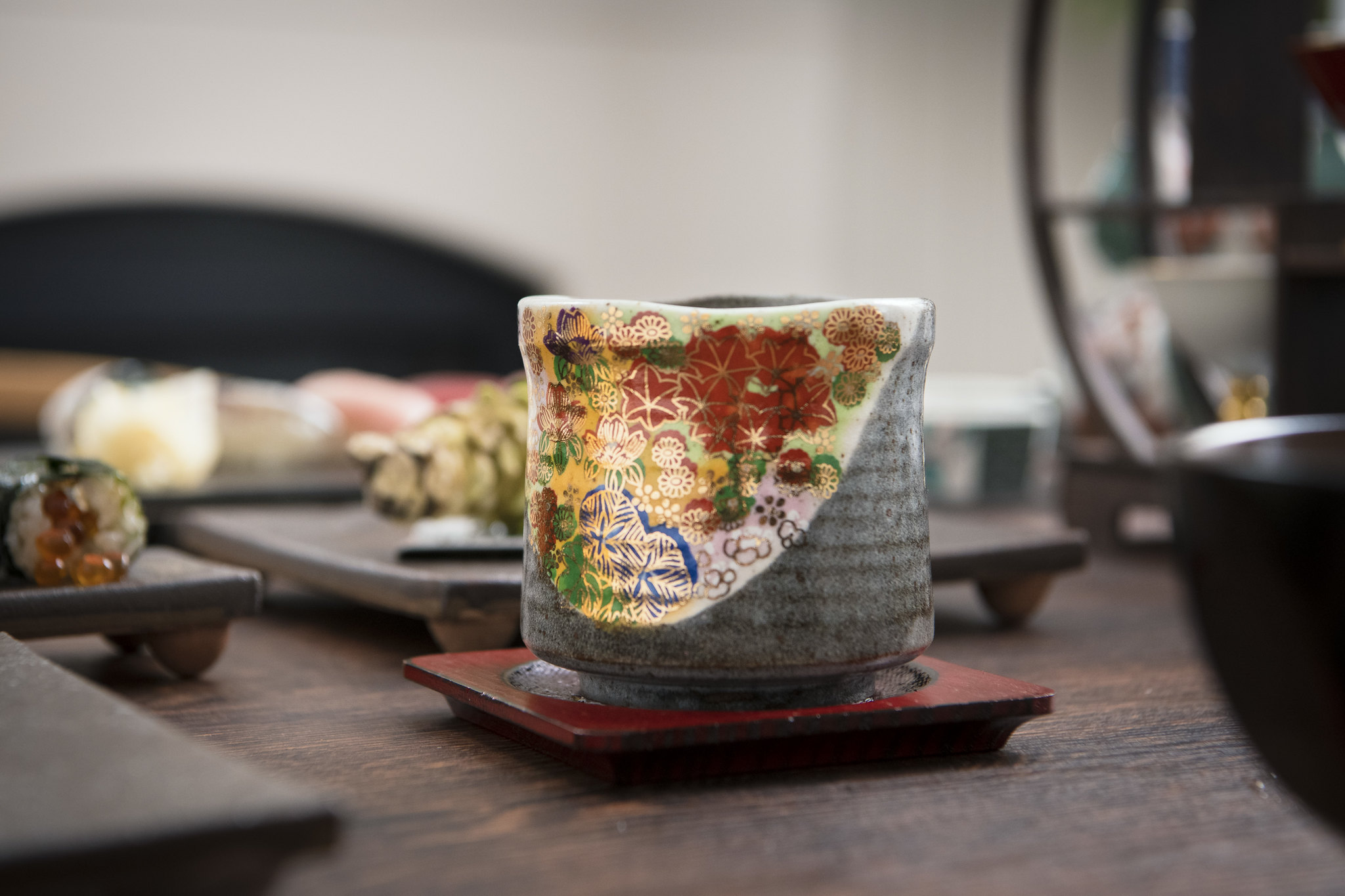
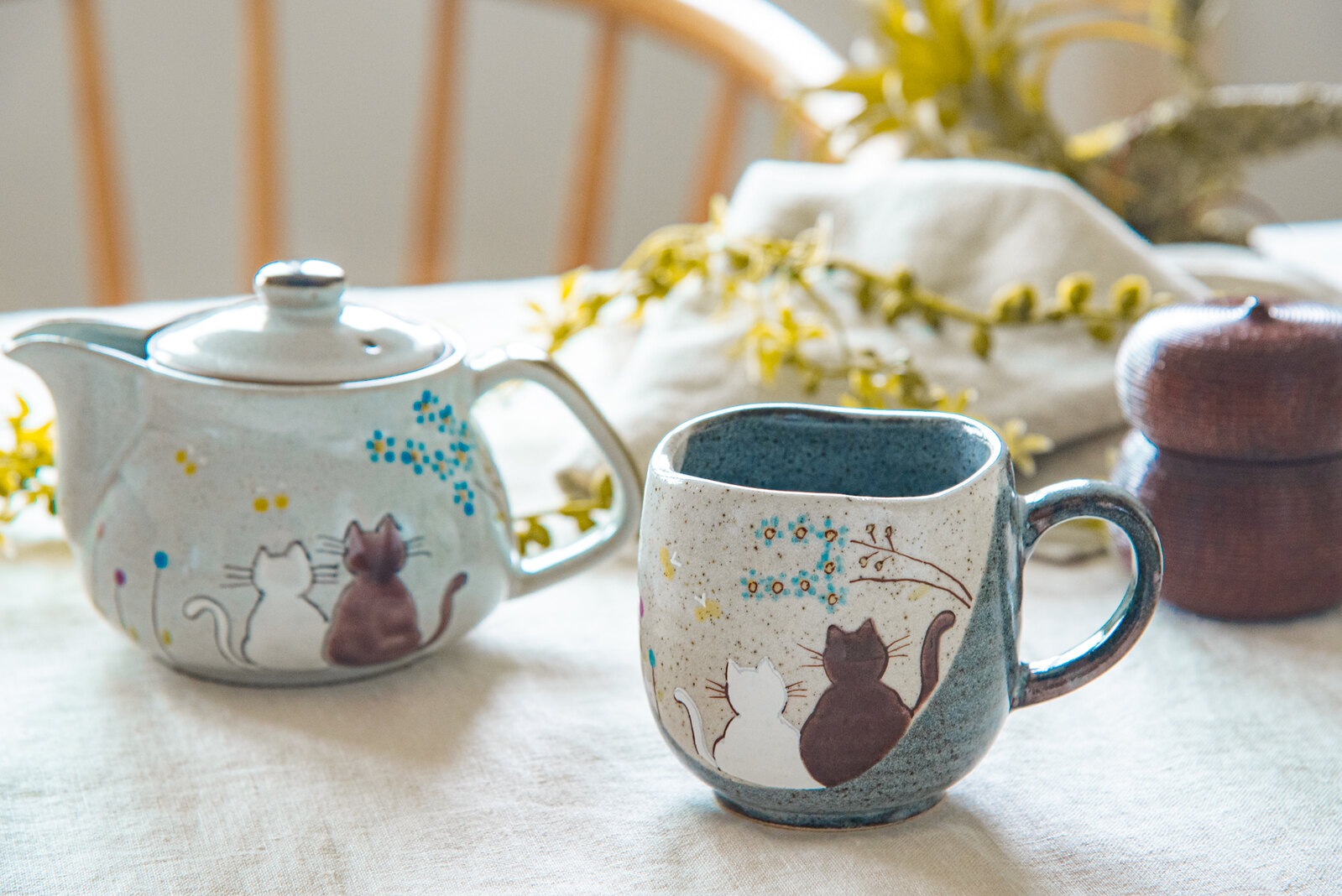
Musubi Lab was founded in Tokyo in June 2020. Our first venture was JAPAN KUTANI SHOP—a small online store dedicated to Kutani ware from Ishikawa Prefecture. Kutani ware is one of Japan’s most celebrated porcelain traditions, known for its vivid overglaze painting.
Before long, we realized that the richness of Japanese craft should not be confined to a single region. Across Japan, each locality has cultivated entirely distinct aesthetics and techniques born from its own climate and history. We felt the need for something that could bring this diversity together and share it with the world. That is how MUSUBI KILN was born. In the early years, we focused specifically on Japanese food culture and tableware. We visited craft regions, met artisans, and explored the stories behind their work—building things carefully, one piece at a time. It was not rapid growth. It was more like weaving trust, thread by thread.
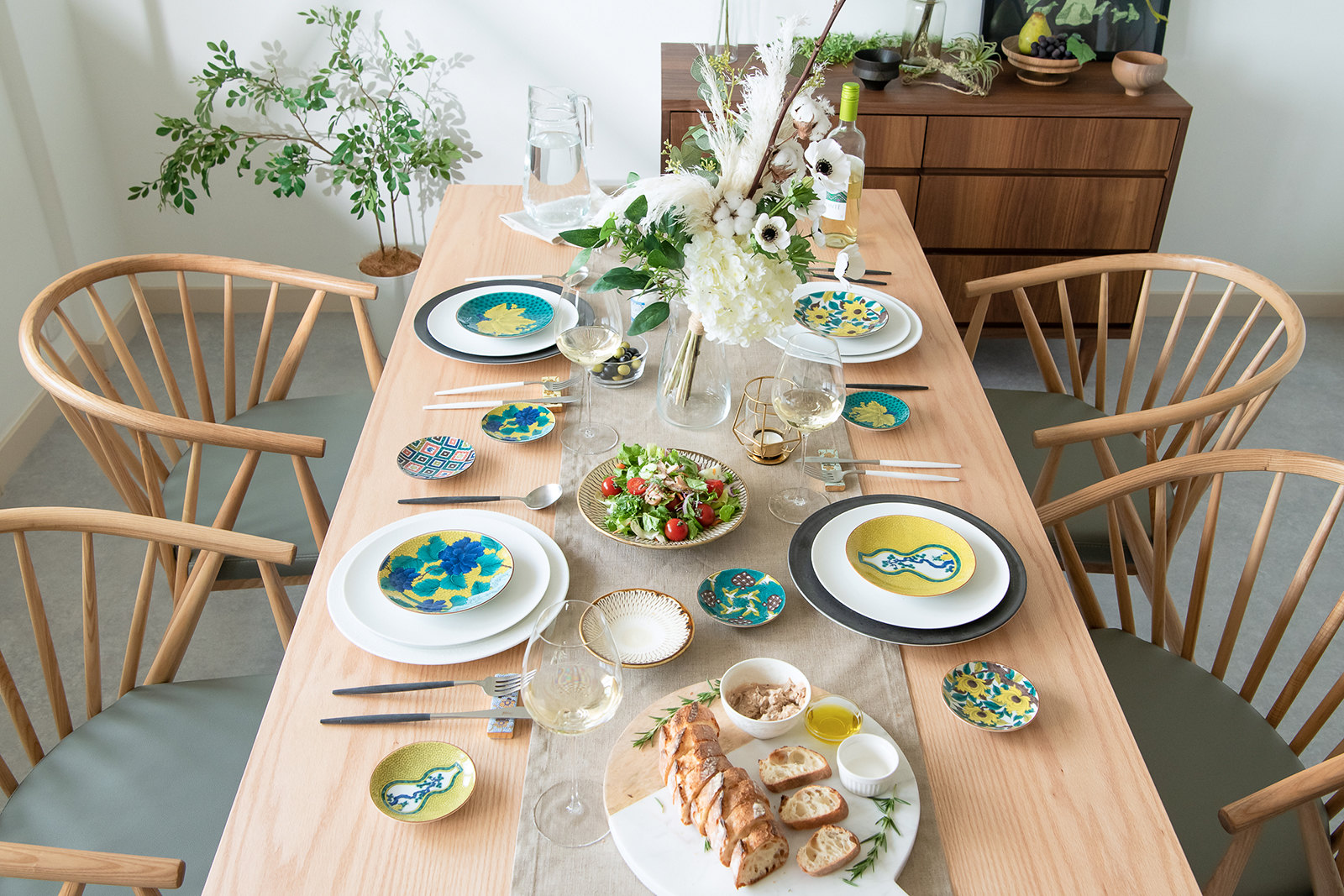
The turning point came through the words of our customers around the world. „Calming.” „Honest.” „Trustworthy.” „Time seems to slow down.” What surprised us was that so many of these words described not the products themselves, but our approach. In that moment, we understood that we were becoming something more than an online store—we were becoming a bridge for culture. Today, we collaborate with over 200 workshops, artisans, and artists across Japan, reaching more than 120 countries and territories. In recent years, we have expanded beyond the dining table into all aspects of daily life: flower vases, accessories, interiors and through MUSUBI Gallery, we now present craft as art.
3. How do you envision your products positioned in the European market? What does your target audience in Europe look like?
What we want to offer is something imbued with reverence—for time, for place, and for the human hand.
There are four things we hold dear. That an object outlasts its owner. That it can be repaired and that, as with kintsugi, the repair itself becomes a new form of beauty. That it carries the necessity of the place where it was born. And that it grows more beautiful with time.
Cherished, mended when broken, passed on across generations—tradition not consumed, but kept alive through daily life. That is the kind of relationship with objects we hope to share with people in Europe.
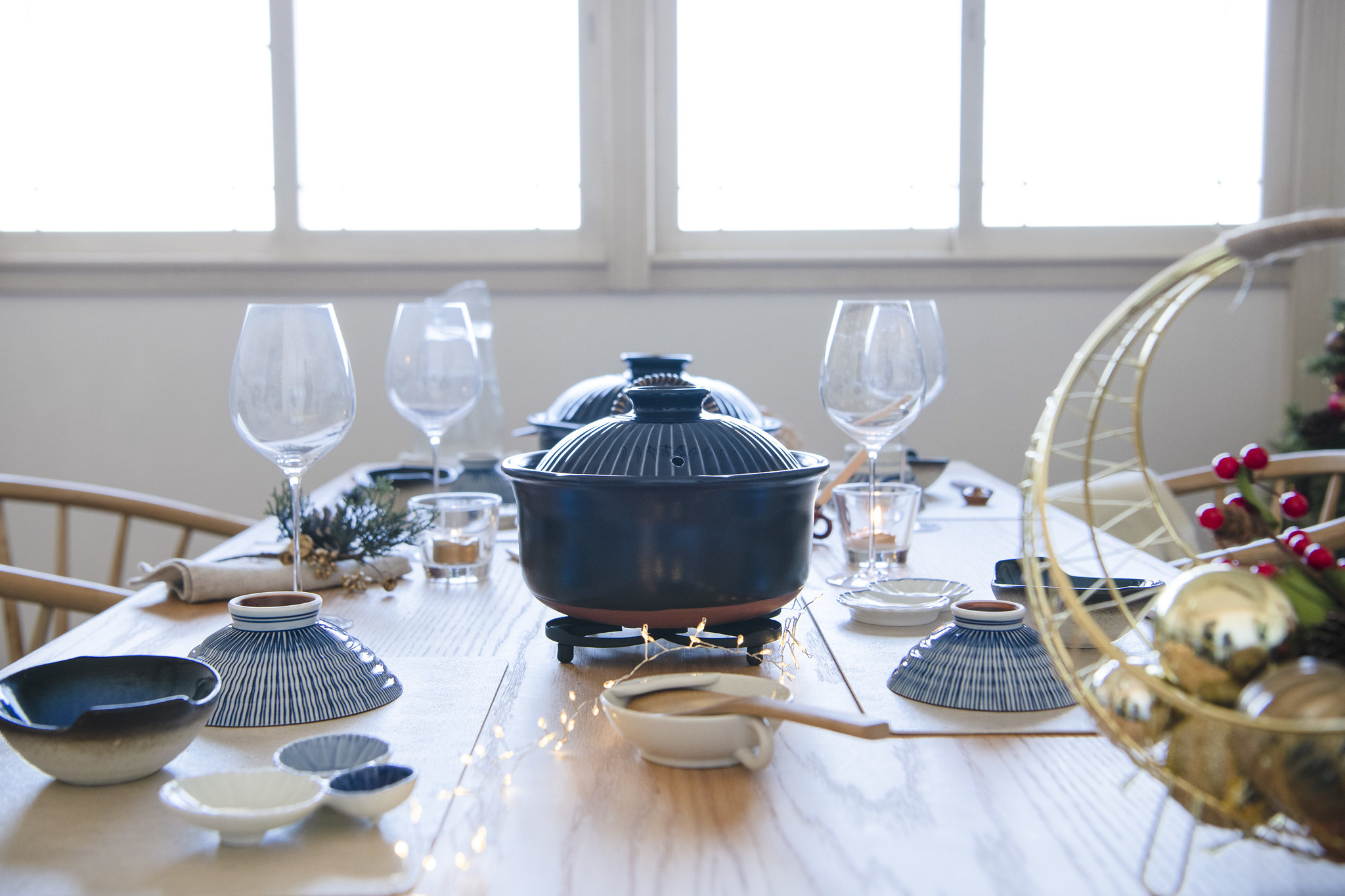
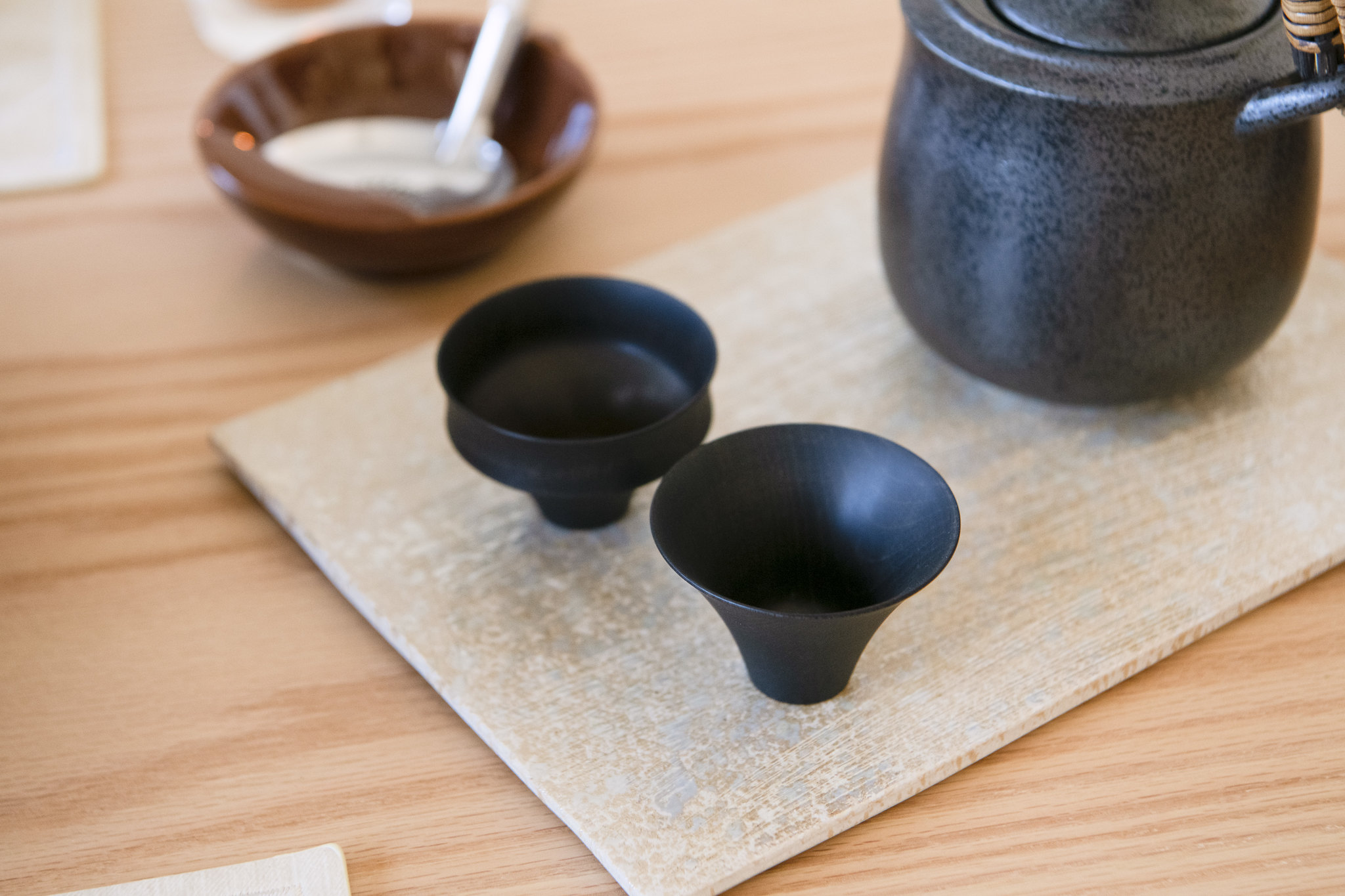
Europe already has a deep culture of caring for things and passing them on. The Japanese concept of objects growing more beautiful through use may come from a different culture, yet I believe it resonates with something already familiar.
We want to reach people who choose things by meaning rather than trend. People who are drawn to cultural context and stories, who find joy in weaving those things into their daily lives. Not necessarily experts in Japanese culture, but those with a sensibility for discovering the world through beautiful objects.
4. From your point of view, what lessons can be learned from Japanese craftsmanship, in a more and more industrialized market?
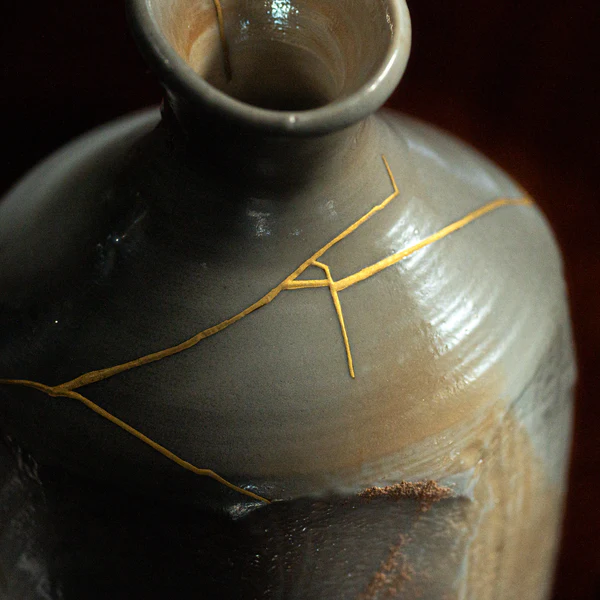
Japanese craft carries a cultural tradition of finding beauty in imperfection. A defining example is kintsugi—the art of repairing broken ceramics with lacquer and gold. Rather than concealing the damage, it transforms the very traces of repair into a new kind of beauty. This is not merely a technique. It is a philosophy.
An industrialized world operates on the assumption of replaceability. When something breaks, you throw it away and buy a new one. Japanese craftsmanship teaches the opposite.
First, that repair is not an ending but the beginning of a new chapter. A kintsugi-repaired vessel becomes more beautiful than before—and entirely unique.
Second, that time is not the enemy but an ally. Lacquerware deepened through use, wood-fired ceramics that develop richer tones, woodwork whose grain grows more expressive with age—Japanese craft holds the concept that the passage of time itself adds beauty. Where mass-produced goods deteriorate with age, craft objects mature.
Third, that constraints give rise to creativity. Limited materials, local climate, inherited techniques—the aesthetics shaped within these boundaries have been refined over hundreds of years. Expression born from constraint can carry a deeper resonance than expression born from unlimited freedom.
Industrialization is not the problem. But in a world where everything is replaceable and efficiency is the highest value, craft offers something essential: a reminder of what it means for something to be irreplaceable.
5. Which MUSUBI object do you consider to be the most iconic product? What stories does your most iconic MUSUBI product tell?
Let me share two.
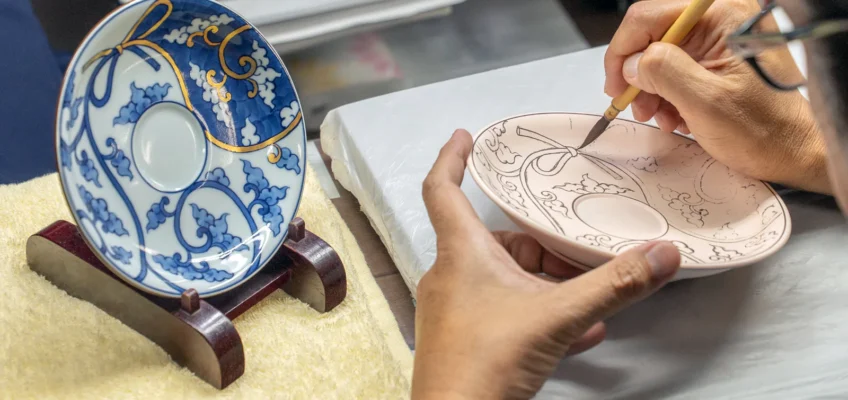
The first is a cup and saucer we created together with Gen-emon Kiln.
Gen-emon Kiln was established in 1753 in Arita, Saga Prefecture. For over 270 years, it has carried forward the ko-Imari tradition from the Edo period, with every stage of production—forming, hand-painting, and firing—entrusted entirely to the hands of skilled artisans.
This cup and saucer is a MUSUBI KILN original, born from our collaboration with the kiln. From its archive of classical motifs passed down through generations, we chose the musubi-karakusa pattern—an intertwining design of knots and arabesque vines. The vines symbolize prosperity, and the knot represents enduring human connection. Musubi—meaning „to tie” or „to connect”—is also our company’s name. A motif that has existed for 270 years naturally aligned with our own philosophy. That kind of serendipity, or perhaps inevitability, lives within this cup and saucer.
On the reverse of the saucer, two marks sit side by side: Gen-emon Kiln and MUSUBI KILN. A 270-year-old kiln and a company just six years old, together on the same vessel. To us, that image captures exactly what we are about—tradition and the present meeting as equals, facing the future together.
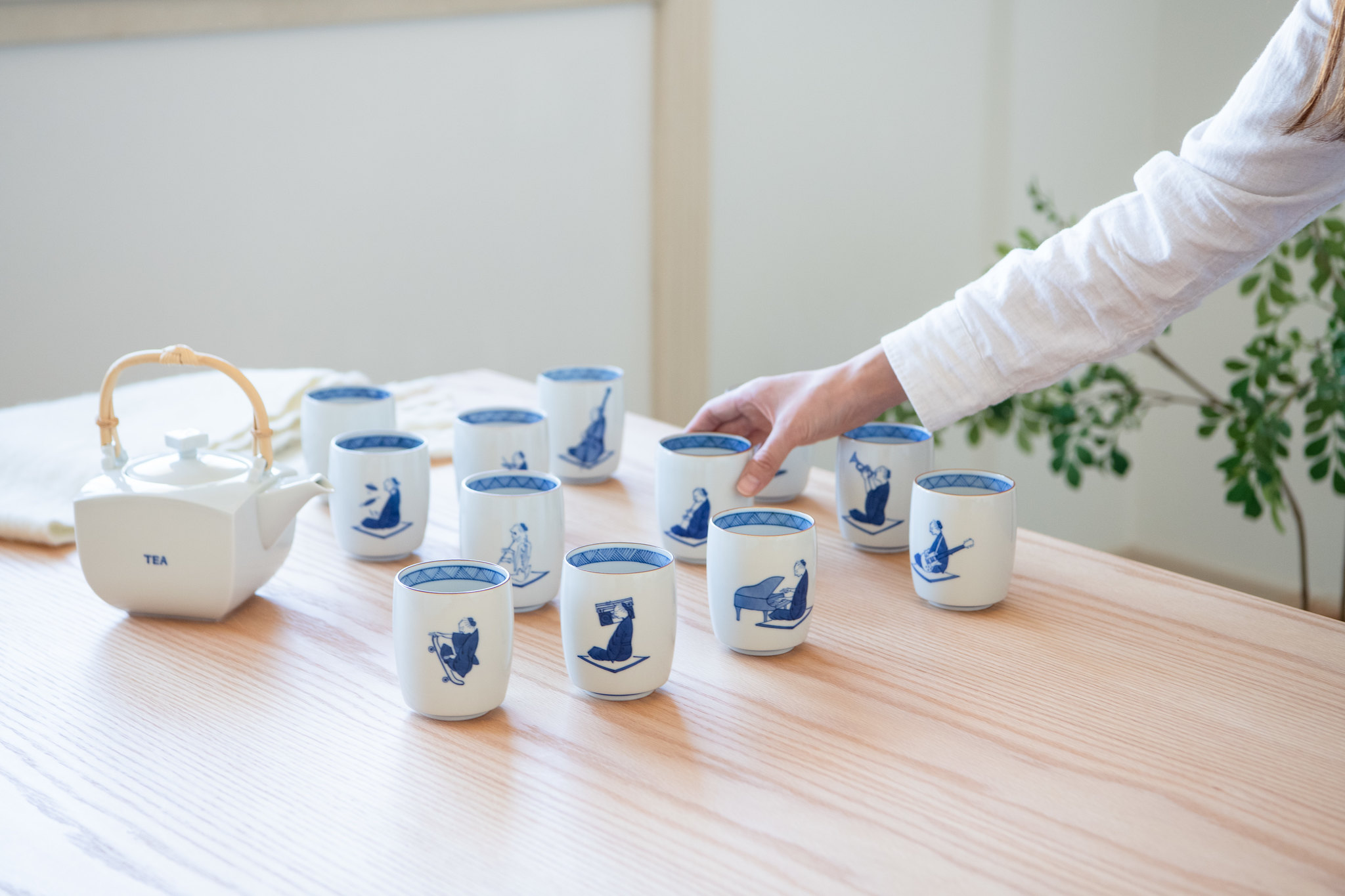
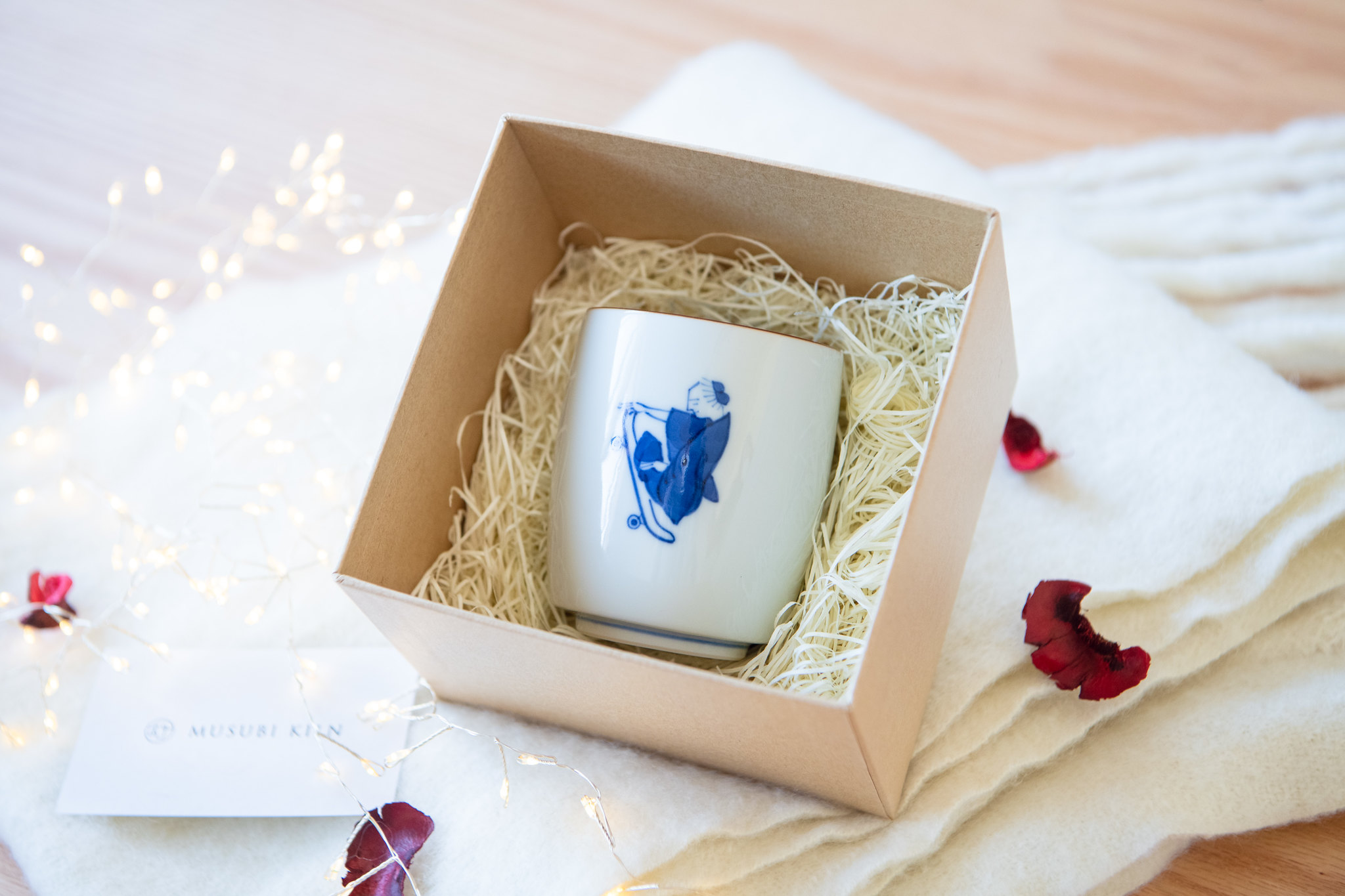
The second is our Kintsugi Craft Kit.
Kintsugi is the traditional Japanese art of repairing broken ceramics with lacquer and gold. This kit invites our customers to experience kintsugi with their own hands. We wanted to offer more than finished objects—we wanted people to feel the philosophy of craft through their own touch.
What is broken need not be discarded; through repair, it can be given a new kind of beauty. The golden lines are not scars but traces of time. The idea that brokenness is not an end but the beginning of something new—that universal message resonates across cultures.
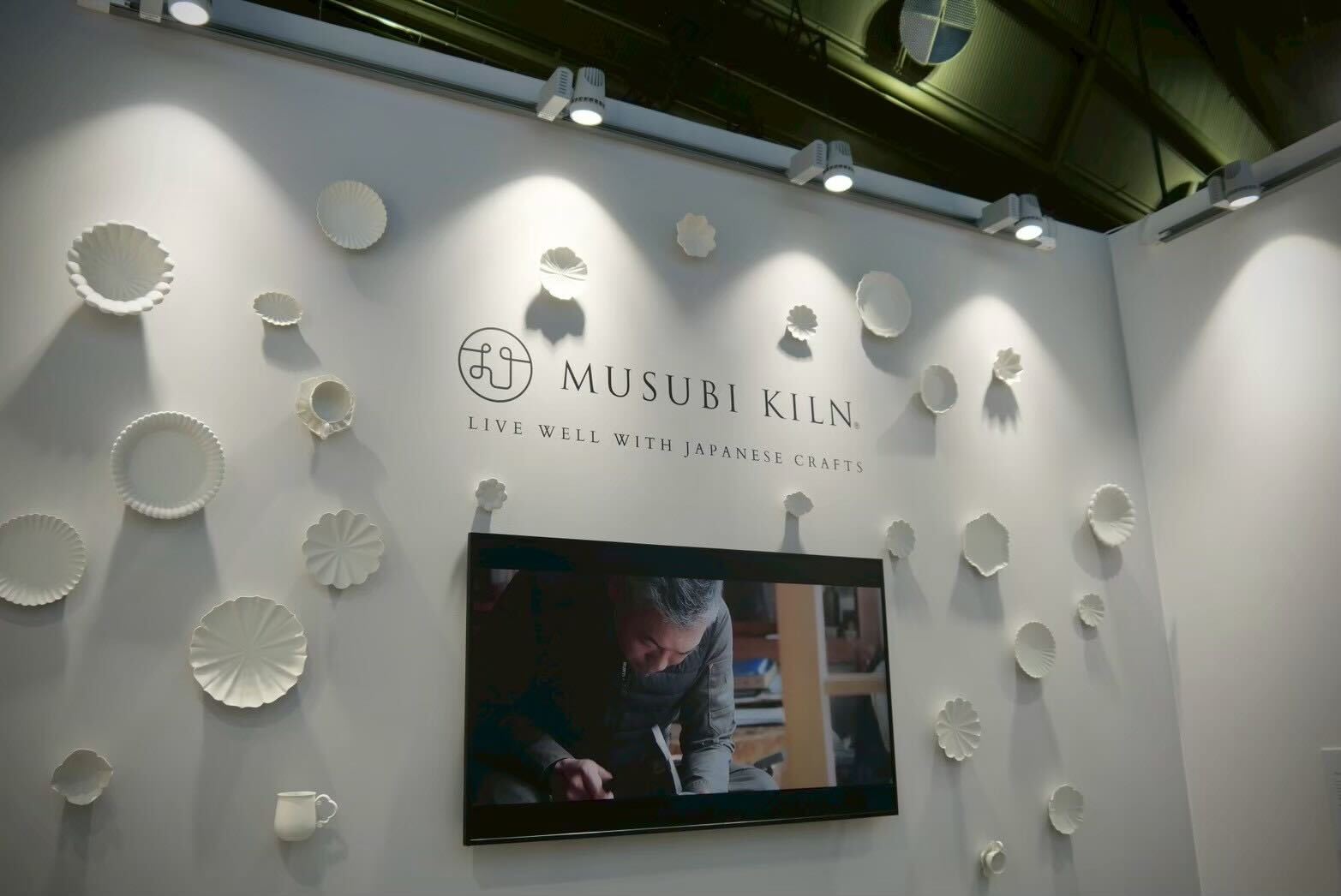
6. I came across your brand at the Ambiente International Fair. How was your experience at the fair? Additionally, how do you prepare for participating at an international trade fair?
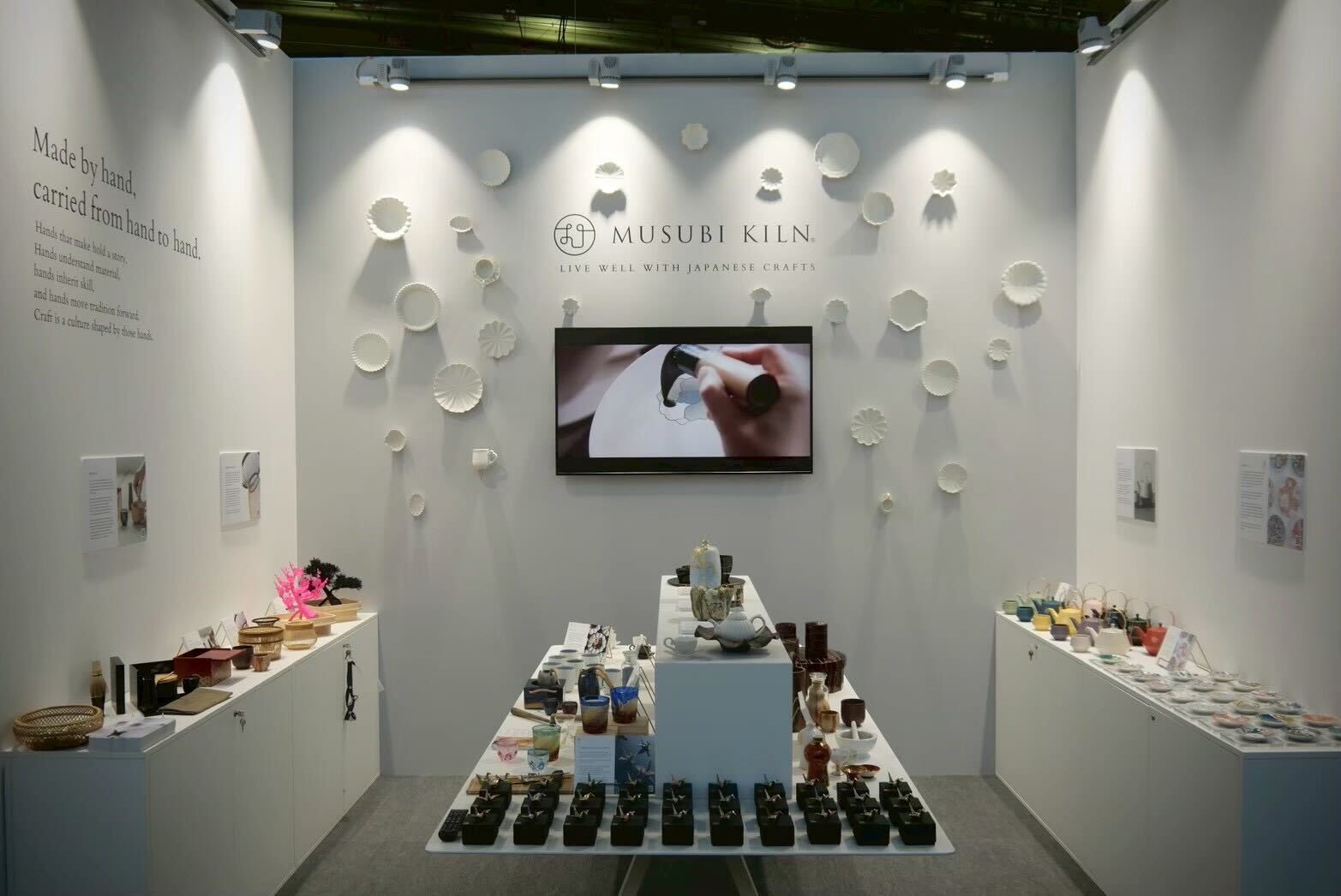
What I remember most vividly from Ambiente is the expression on people’s faces the moment they picked up a piece. The texture, the weight, the way it settles into the hand—things that photographs and screens cannot fully convey. We place great value on sharing rich stories through our online content, but the experience of holding something in your hands carries a different kind of power. What moved us most was how many visitors were drawn not only to the beauty of the objects but to the culture and philosophy behind them. „Where was this made? Who made it? Why this form?” We met people who produce refined spaces and experiences at hotels and restaurants around the world, as well as those who run exceptional galleries, department stores, and museums. The fact that these individuals were genuinely interested in the essence of Japanese handcraft was deeply encouraging.
When preparing for a fair, what matters most to us is not „what to display” but „what to communicate.” The booth space, the selection of products, our own words—we check that everything aligns with a single message.
We want our booth to be a doorway to Japanese craft. And more importantly, we want the connections made at the fair to continue long after it ends. That, for us, is what truly matters.
7. Our public also comprises young creative designers, architects, artists; what advice can you give to someone wanting to start a creative business?
Three things come to mind.
Shape your passion into something that lasts.
Creative work almost always begins with love—love for a material, a process, an idea. That is a beautiful starting point. But to sustain what you love for five or ten years, you need a structure to support it. Passion and structure are not opposites. Structure exists to protect passion. Holding both is essential.
Develop your own criteria for judgment.
Trends shift constantly. But knowing what you find beautiful, what you value, what you refuse to compromise on—that inner compass should remain steady. A brand, at its core, is nothing more than the accumulation of consistent judgments over time.
Start small, go deep.
We began with a tiny online shop focused on a single ceramic tradition. Rather than trying to do everything at once, we built deep trust in one area before gradually expanding. Depth, in time, creates breadth.
8. How do you see a creative world where products are more sustainable and ethical?
Sustainability is not a new trend for Japanese traditional craft. It has been a given for centuries.
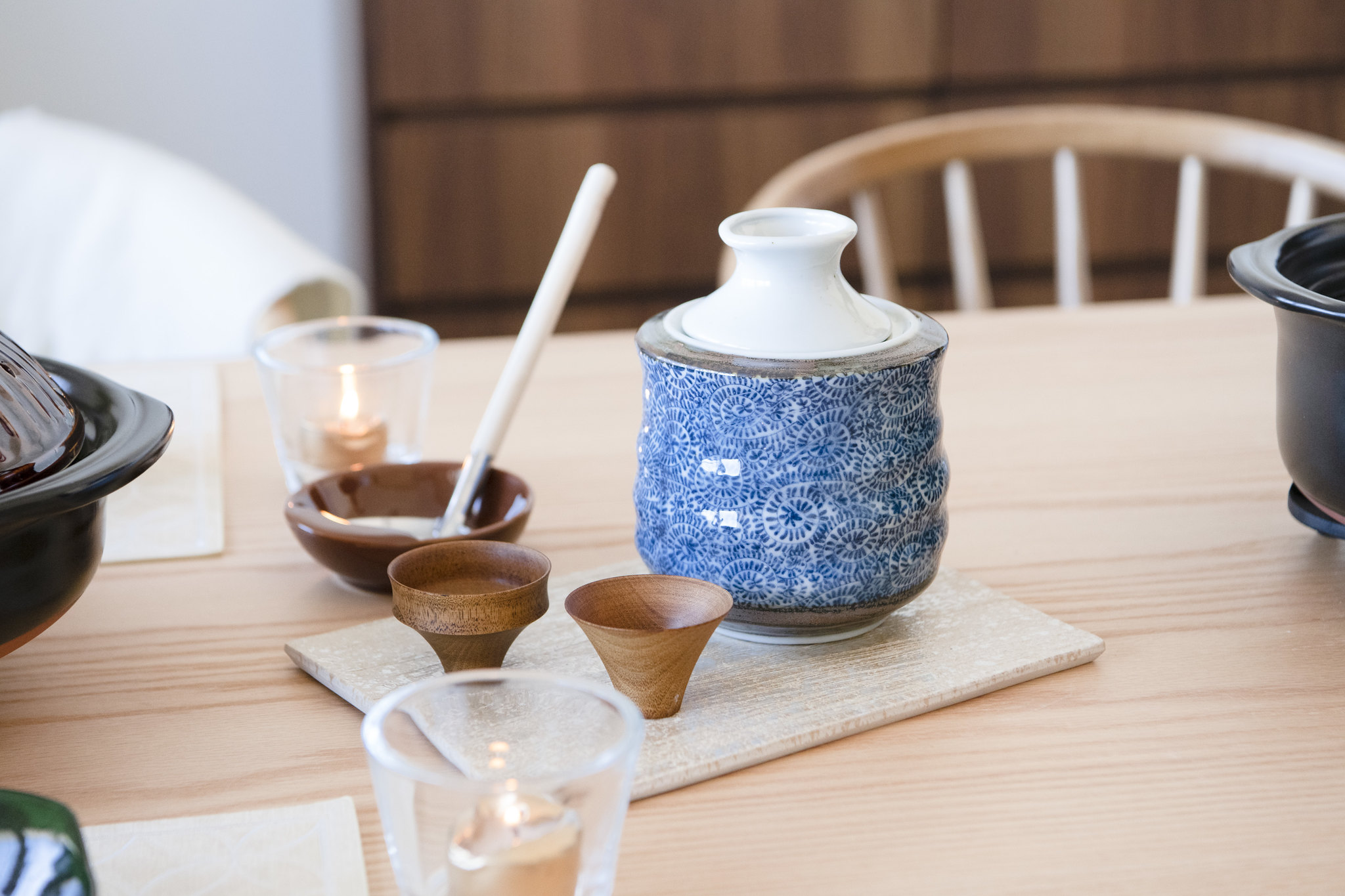
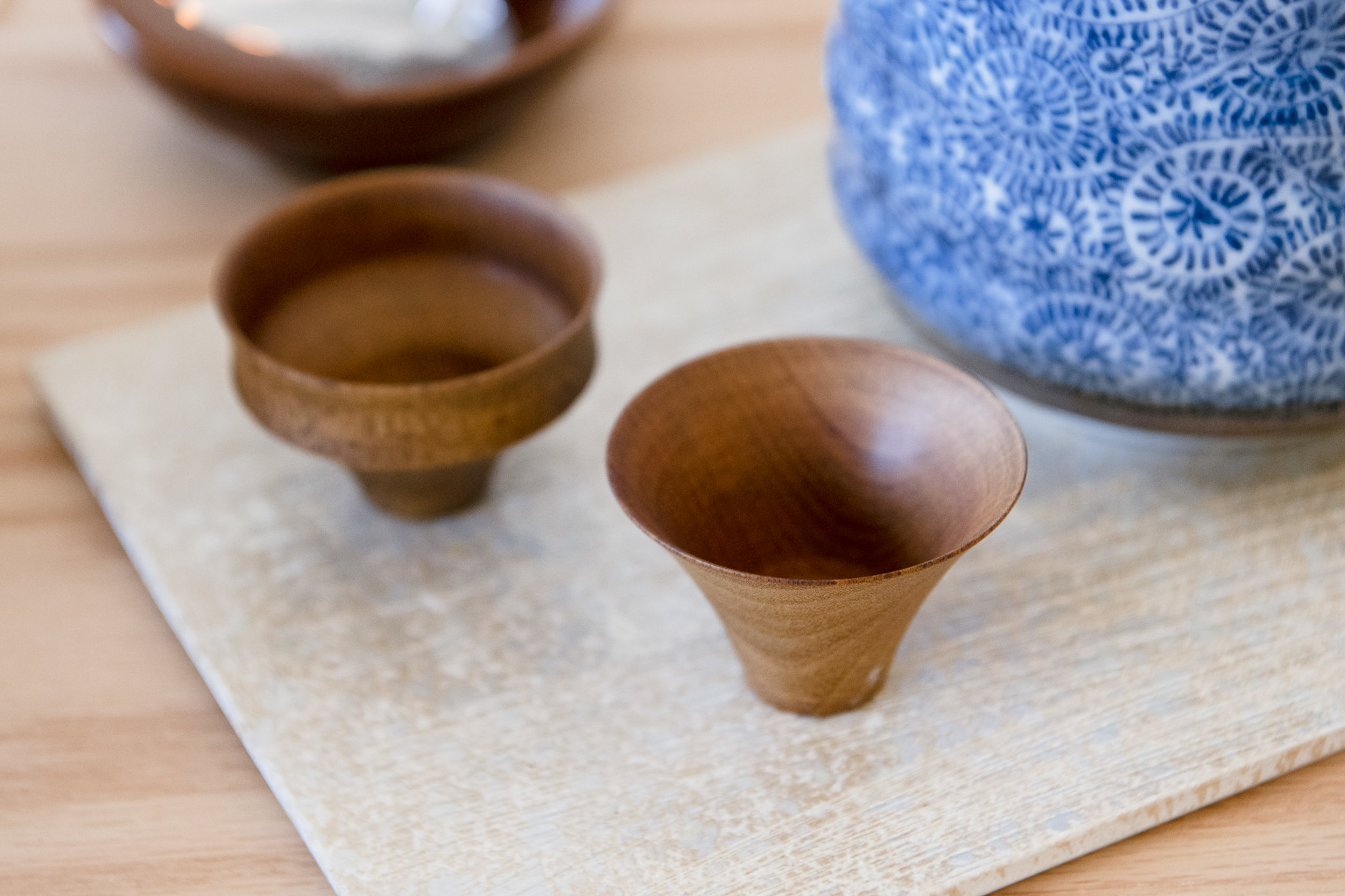
Using local clay, shaping it with local water, drying it in the local climate, firing it with locally sourced wood—many Japanese kilns have practiced this kind of making for generations. The cycling of materials, the passing down of techniques, the symbiosis with a region. These were embedded in craft long before the word „sustainability” existed. The world we envision is one where things are made to be cherished, repaired when broken, and passed on across generations. For that to happen, makers must be able to carry their skills forward to the next generation with pride. Both maker and user must be well. A relationship where either side is strained will not endure.
When you hold something beautiful and know where it was made, whose hands shaped it, and what intention it carries—that knowledge becomes a reason to care for it. That, to us, is what ethical creativity looks like.
9. How can a designer work with you?
We always welcome new encounters.
Collaboration takes many forms. If a maker already has a fully realized vision, we serve as translators—carrying that value to the world. If someone has a clear strength in technique or material but the story has not yet taken shape, we add context and weave the narrative together. And sometimes we bring our own concept to a maker and create something entirely new by combining our vision with their craft.
In every case, the starting point is empathy. The inevitability of a technique, the way someone regards their material, a philosophy refined over a long stretch of time—when we feel a genuine resonance and want to share it with the world in our own words, that is where everything begins.
If this resonates with you, please reach out to us at info@musubilab.com.
10. From your point of view what is trending in 2026?
The word „trend” feels somewhat distant from our work. When you think on the timescale of craft—centuries, not seasons—a few years of fashion can seem like surface movement.
That said, there are deeper currents we do sense.
A return to the tangible. The more digital technology envelops daily life, the more people are drawn to texture, weight, physical presence. Not something on a screen, but something that exists beautifully and really in the space where you live. That value is being rediscovered right now.
More people choosing by meaning. Not just price or convenience, but „Who made this? Where? With what intention?” The number of people who hold these questions dear is growing steadily.
The boundary between art and craft dissolving. Objects that are functional yet carry the presence of a work of art. Usable art. Tools worth contemplating. This territory is only going to grow richer.
11. What does the future hold for MUSUBI?
What we envision is a world where the philosophy of handcraft quietly inhabits everyday life.
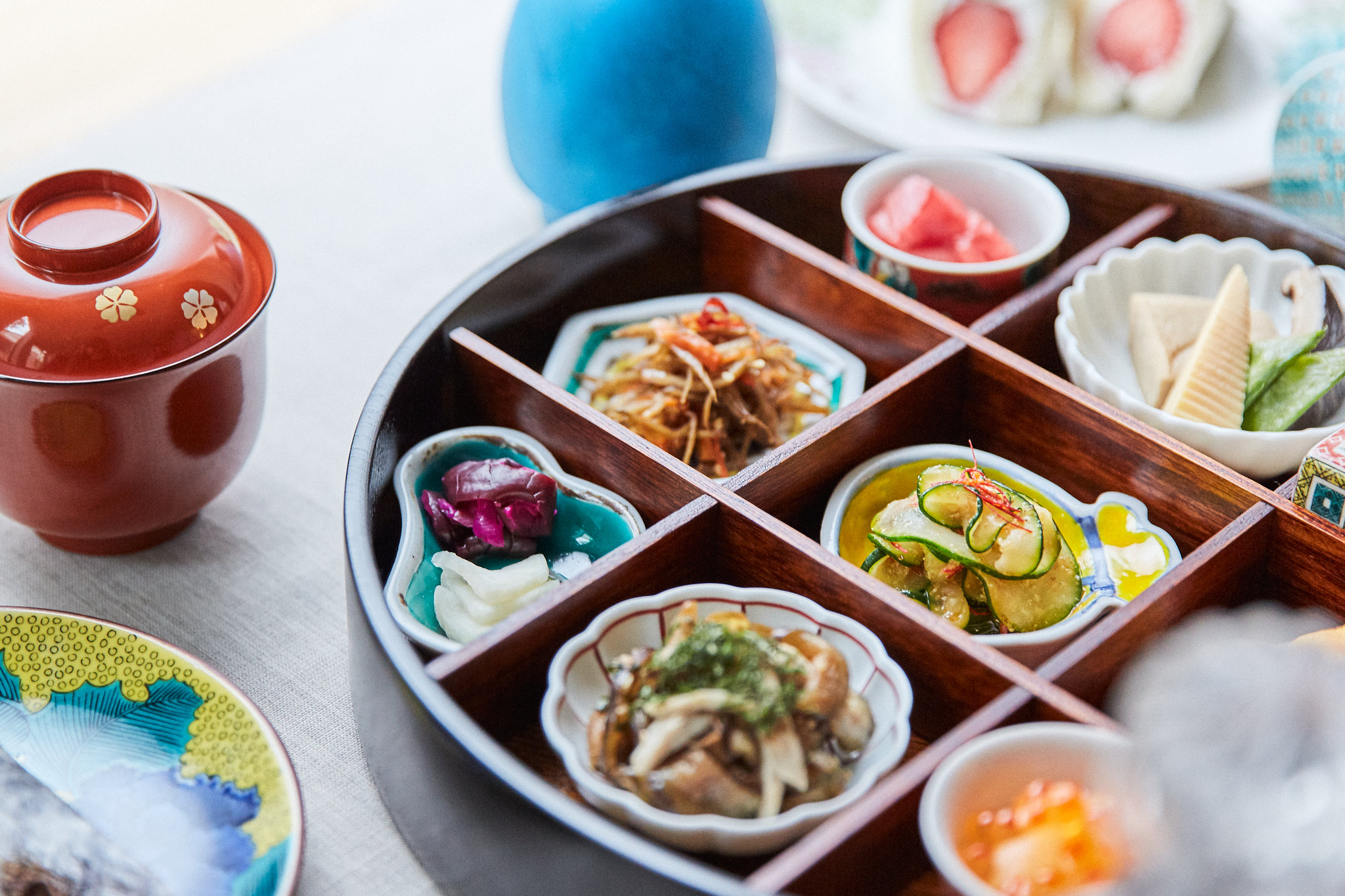
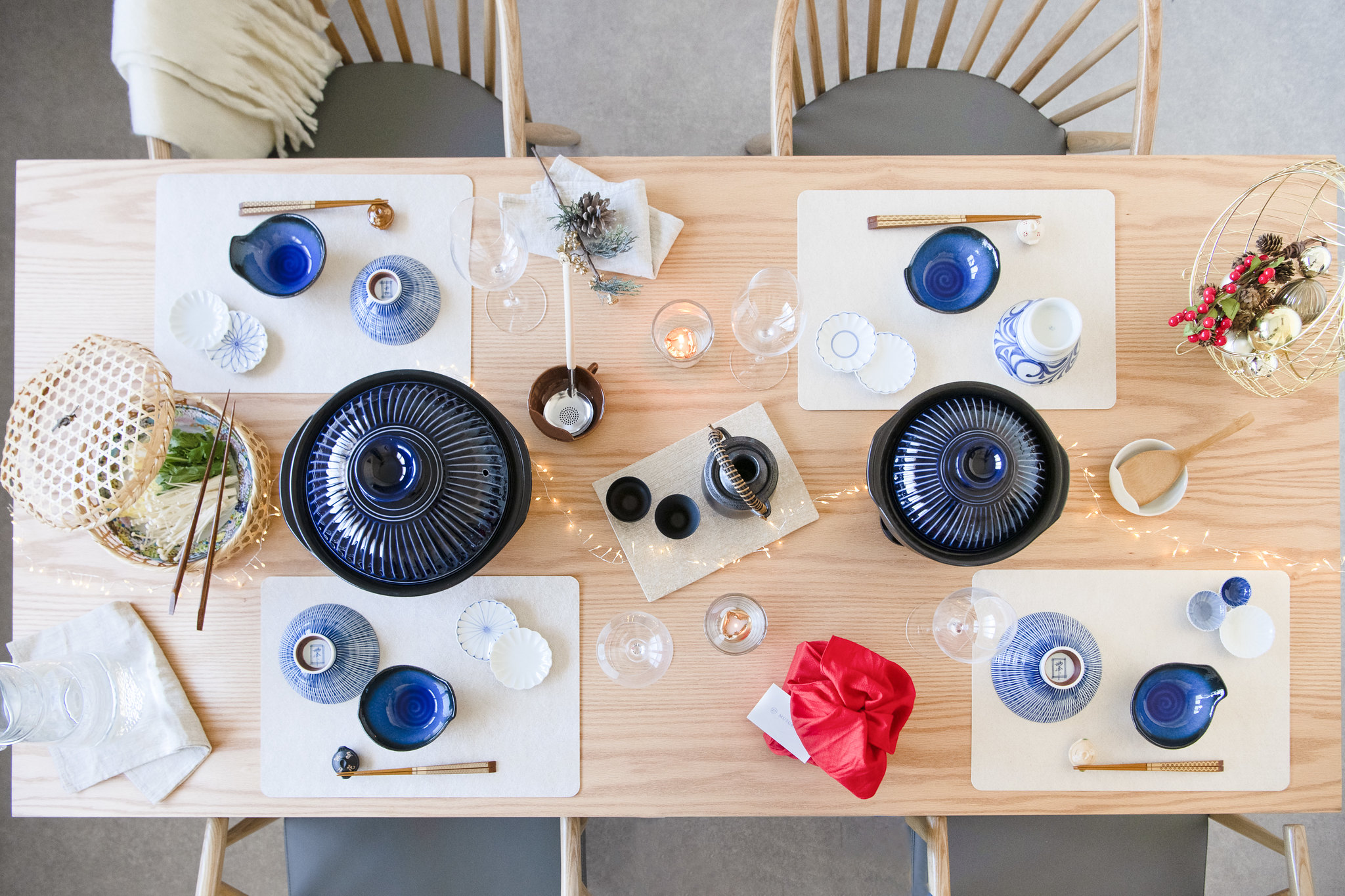
Until now, we have focused our offering around the dining table. But craft exists in every corner of how we live. Flower vases, accessories, interiors—crossing the boundaries of clothing, food, shelter, and art, we want to keep offering beautiful choices that resonate with contemporary life.
Through MUSUBI Gallery, we are working to bring Japanese craft to the world as art—from emerging artists to Living National Treasures. Carrying works that hold philosophy and narrative beyond technical mastery, across cultural boundaries.
We also curate furnishings and objects for refined spaces around the world—hotels, restaurants, and more. Rather than actively seeking these opportunities, we have focused on responding thoughtfully to those who found us and reached out. That approach has led to lasting relationships, with many returning to work with us again. Bringing the value of handcraft through the medium of space—we feel this area will continue to grow.
In each of these directions, what we are working toward is the same thing. A future where those involved in craft can continue their work with pride, and where the next generation naturally inherits both the philosophy and the technique. We want to keep weaving that future, one step at a time.
All the images are sent by MUSUBI KILN, from their archive.

