We are continuing our ongoing interview series with jewelry creators, focusing on their workshop experiences. In this article, I share inspiring insights from participants of the Romanian Jewelry Week, including conversations with Yier Lu, Xiao Chuhan, Valeria Rossini about their creative spaces and processes. Their creations will be showcased at Romanian Jewelry Week in Bucharest from September 30 to October 4, 2026.
.
What is life like in your studio?
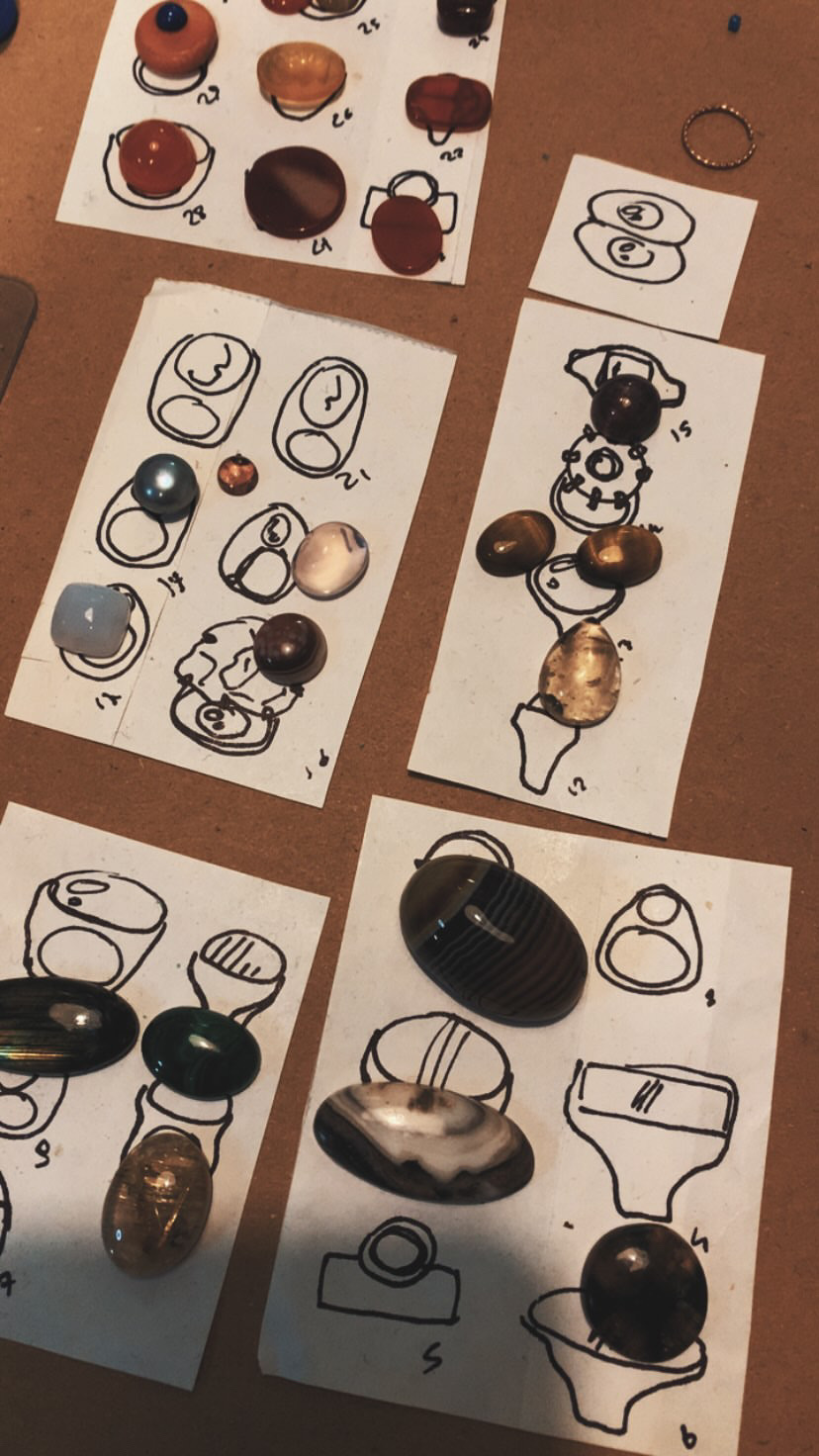
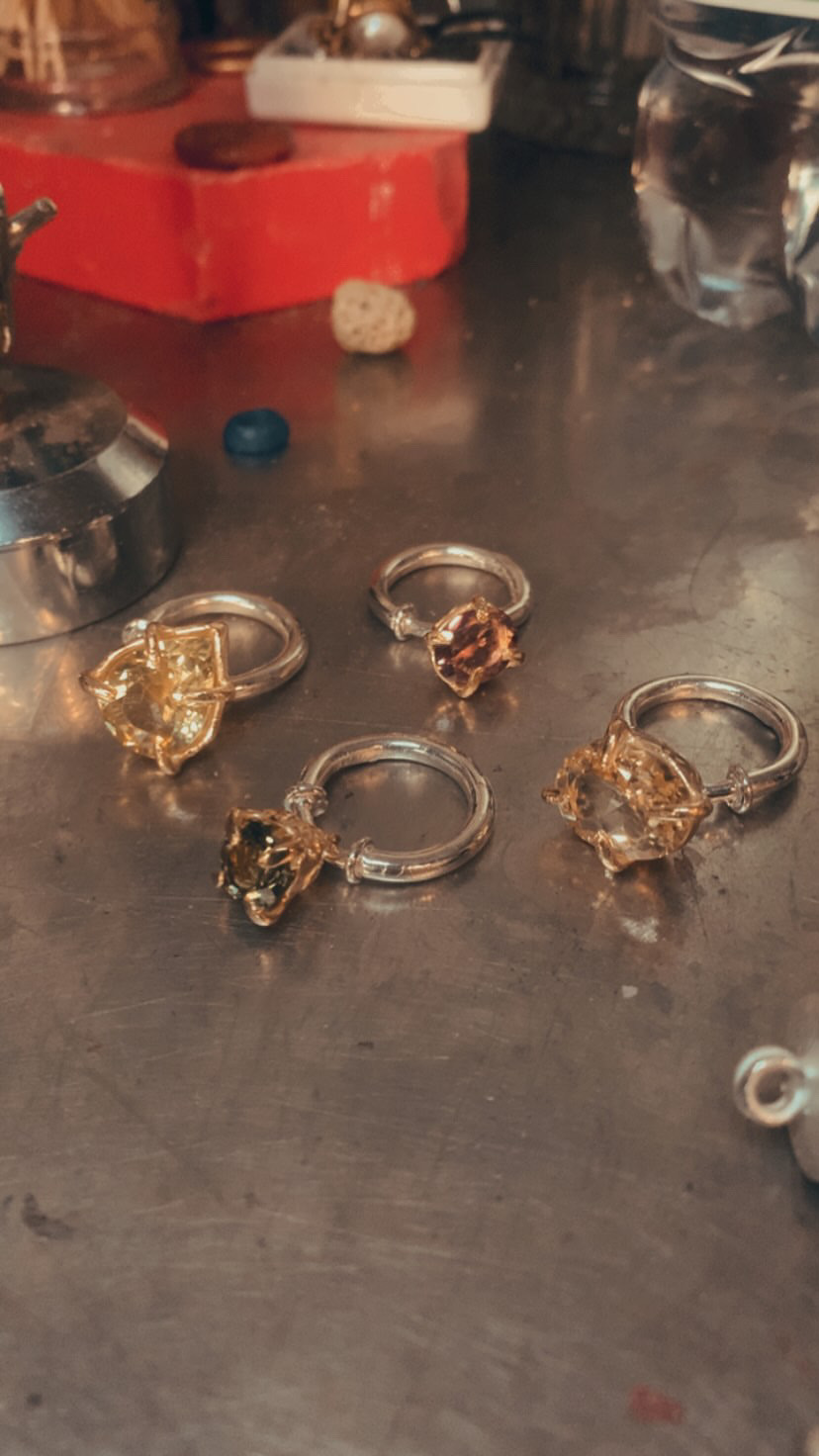
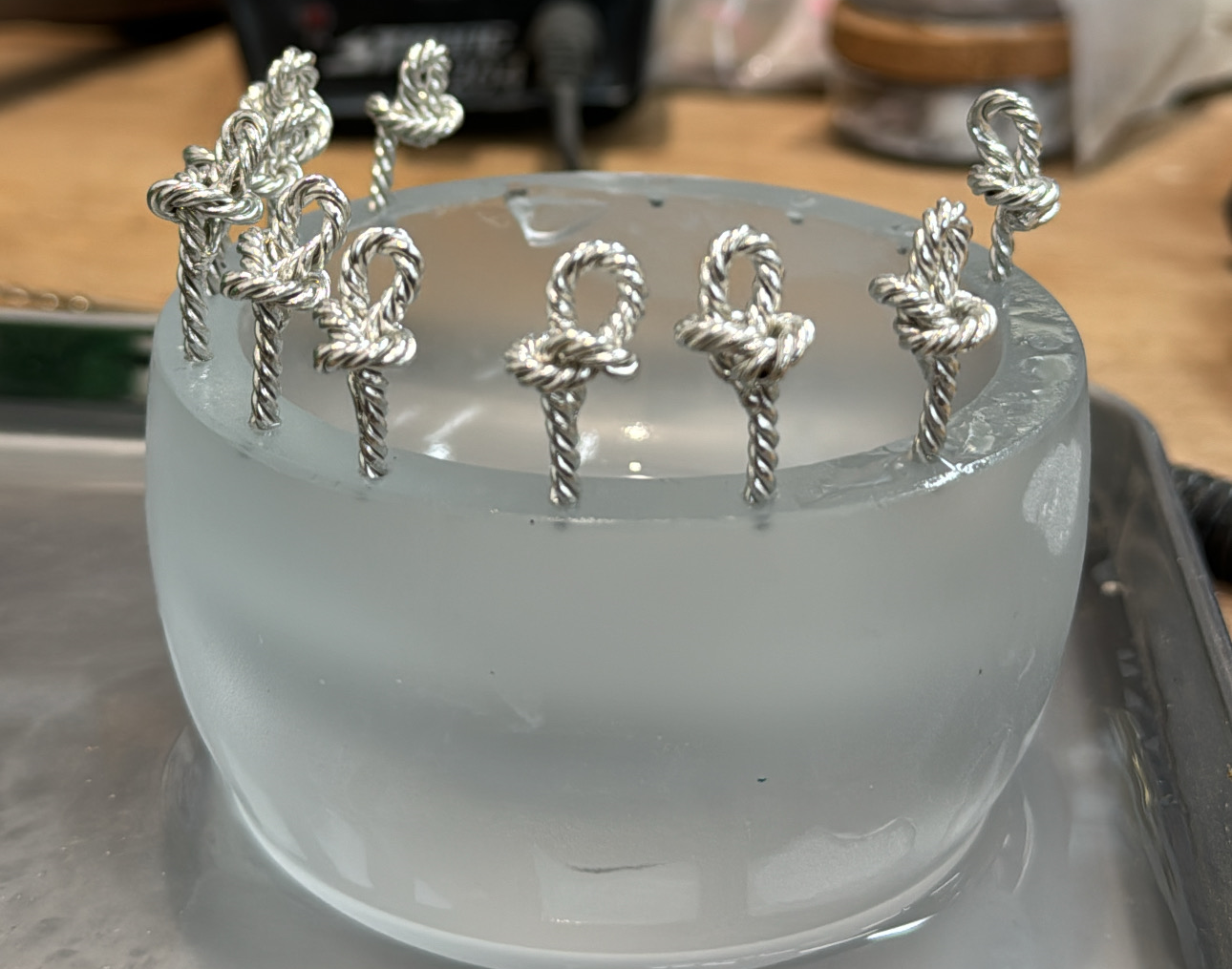
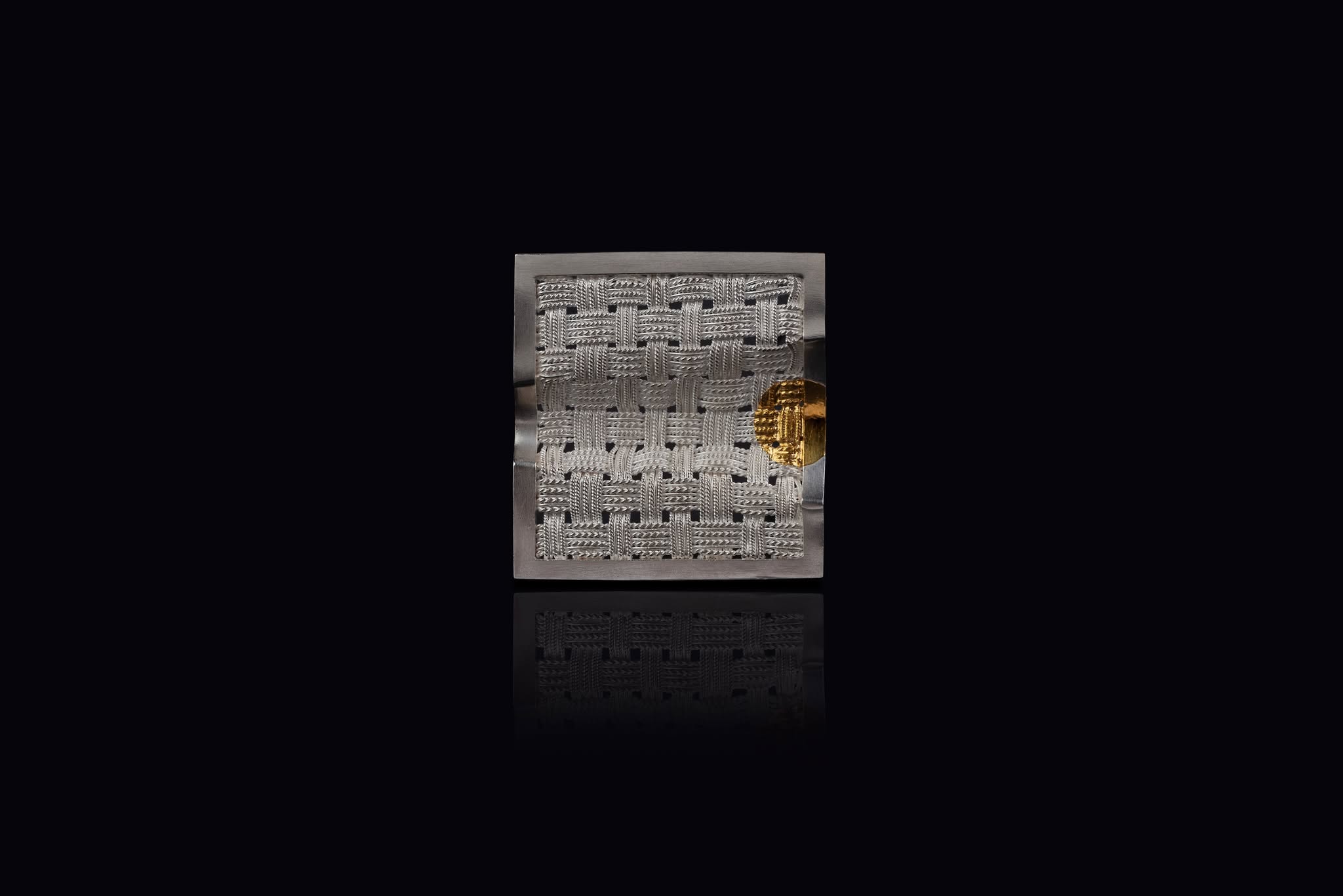
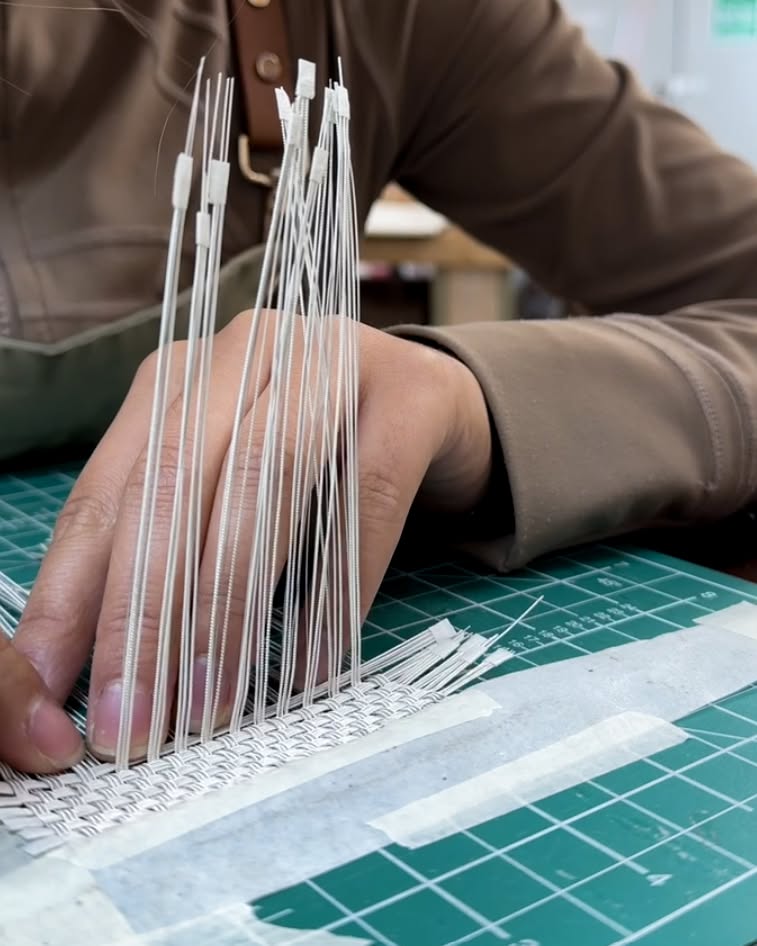
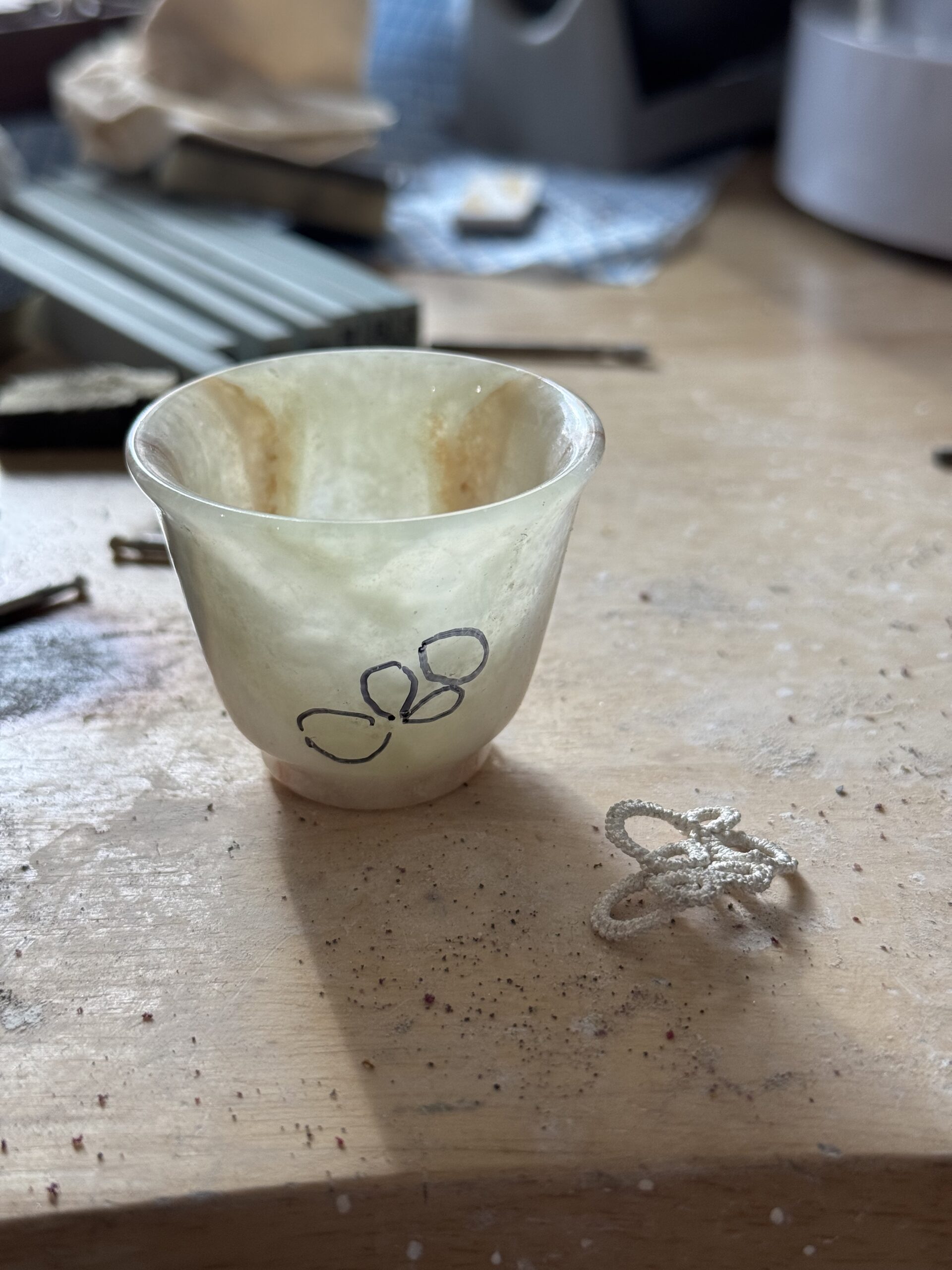
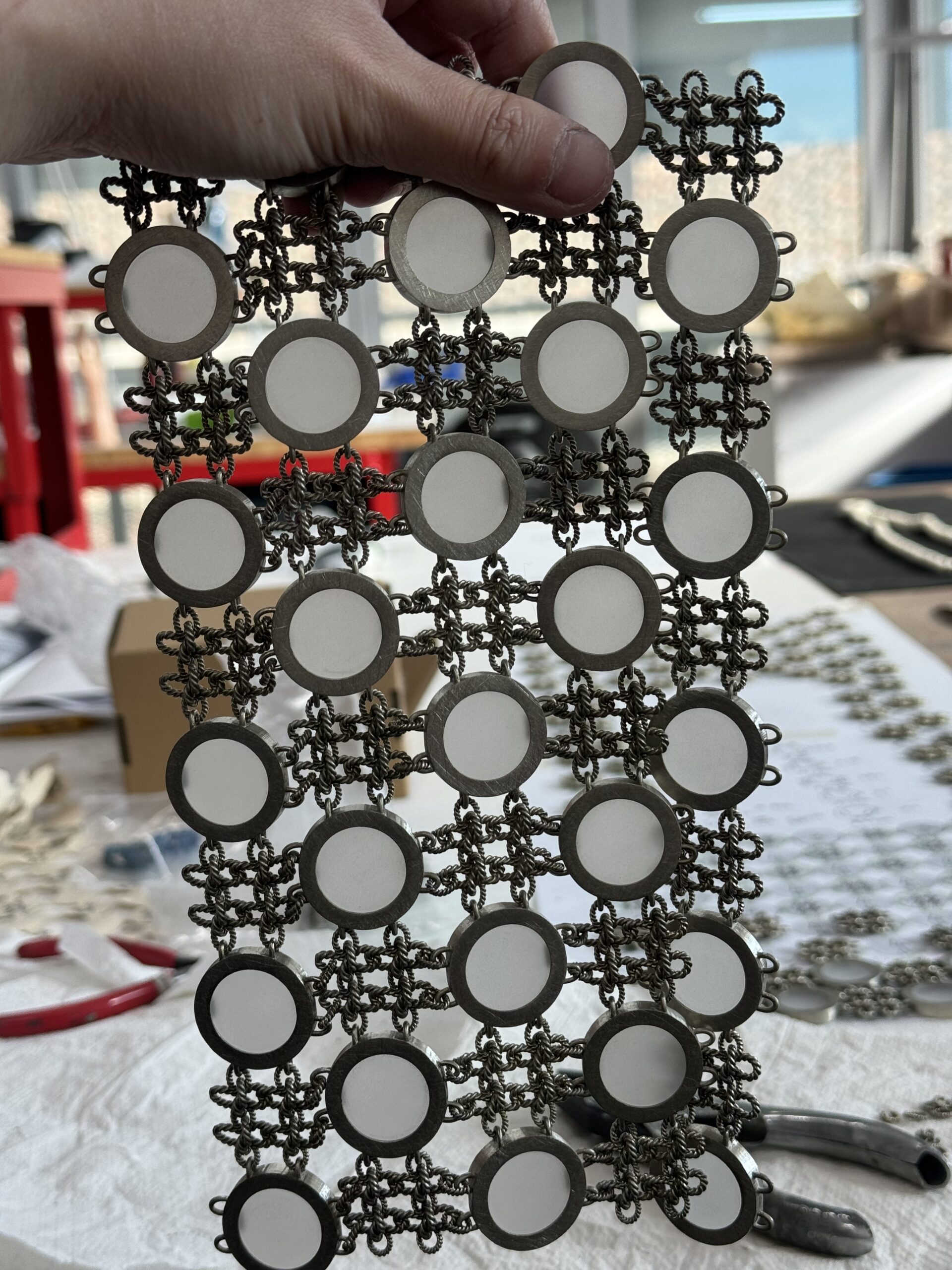
My studio life is shaped by both making and sharing. The workshop is a shared space where each maker has their own bench in the main workshop, while different processes are organised into dedicated rooms. Hammering, chasing and polishing each have their own spaces, which helps contain noise and dust and allows the main workshop to remain a more focused environment for detailed work.My own bench is in the main workshop, where I spend most of my making time. My process usually begins with design and sample making. I like to test an idea physically before committing to the final material, using samples and maquettes to understand a piece’s structure, proportions, and construction. Once I have established what I want to make, I often move between different areas of the workshop depending on the process. For my filigree work, I may begin by drawing down silver wire and preparing the fine wire I will need later. I then return to my bench to weave, construct and solder the piece, gradually building the structure by hand.
What makes my workshop particularly special to me is the people working alongside me. Everyone comes from a different background and brings their own techniques and ways of thinking. Across the workshop, you can find practices ranging from engraving, chasing and fusing to forming and enamelling. Although we each have our own bench and practice, we constantly share knowledge. People are generous with information, technical tips and experience, and it is very normal to ask someone for advice or work together to solve a problem. I have learned a great deal simply by watching how other makers approach their work.
This environment has also helped me understand my own practice more clearly. Through working alongside other makers, I found the techniques I wanted to pursue more deeply, particularly Traditional Chinese filigree inlay and weaving, and began to recognise a design language of my own. Bishopsland gave me the space to bring together different parts of my experience — my Chinese cultural background, my life and education in London, and the different craft traditions I have encountered — and allow them to come together naturally through jewellery.
I usually spend time in the workshop from around 9:30 in the morning until 6 in the evening. Apart from my bench time, I also spend time outdoors, walking, exercising and being close to nature. This balance is important to me. The concentration and patience required in the workshop are complemented by time outside, when I can step away from a piece and let my mind reset. I see these two parts of my day as a kind of circulation: making gives me focus, while nature gives me space to breathe and return to making with renewed energy.
If I could take something from the current workshop into my future, it would be the workshop’s organisation and its sense of community. One day, I would like to build a studio of my own that is similarly well organised and thoughtfully equipped, but also remains a place where makers can share knowledge, learn from one another and enjoy the process of making together.
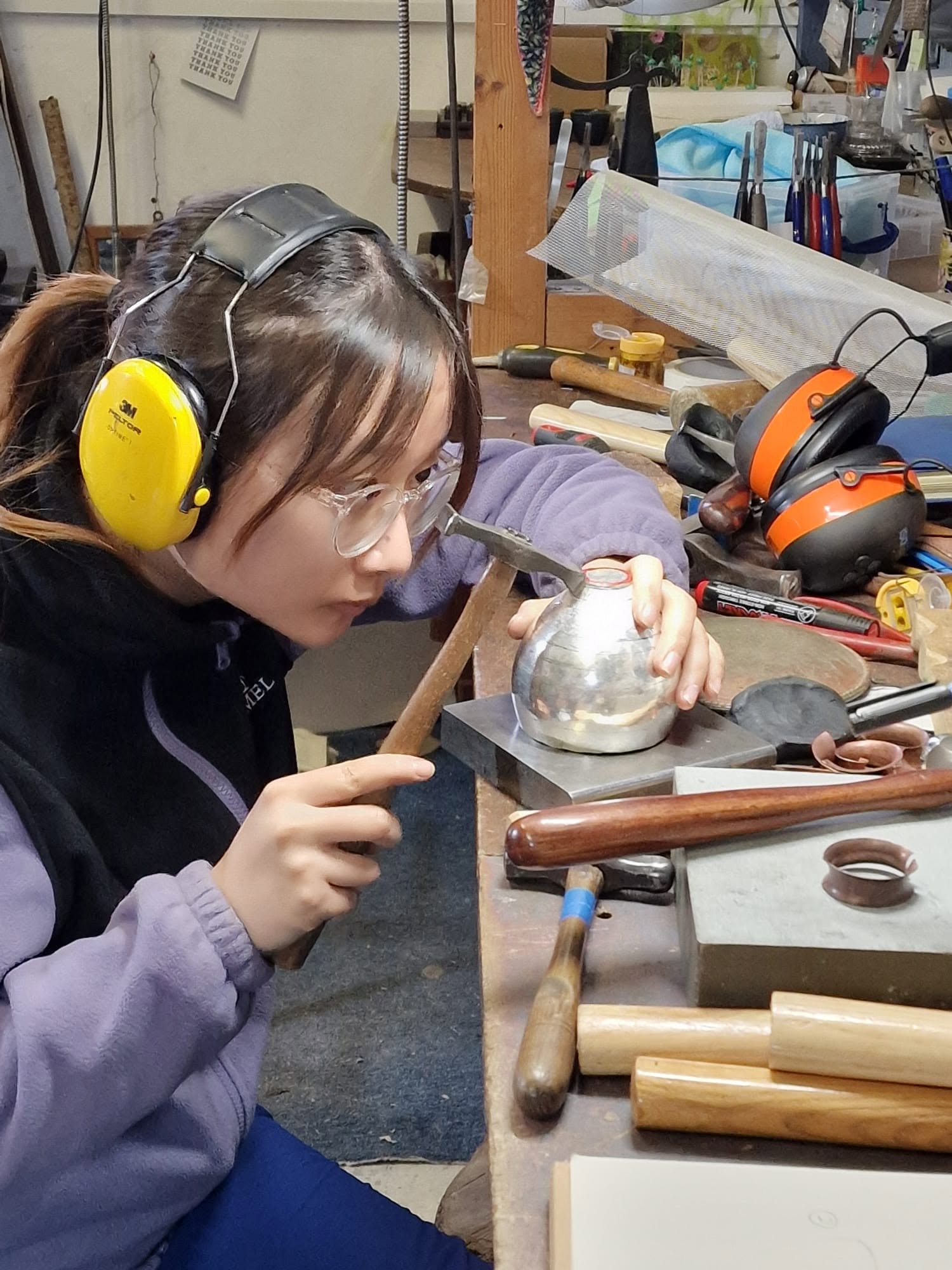
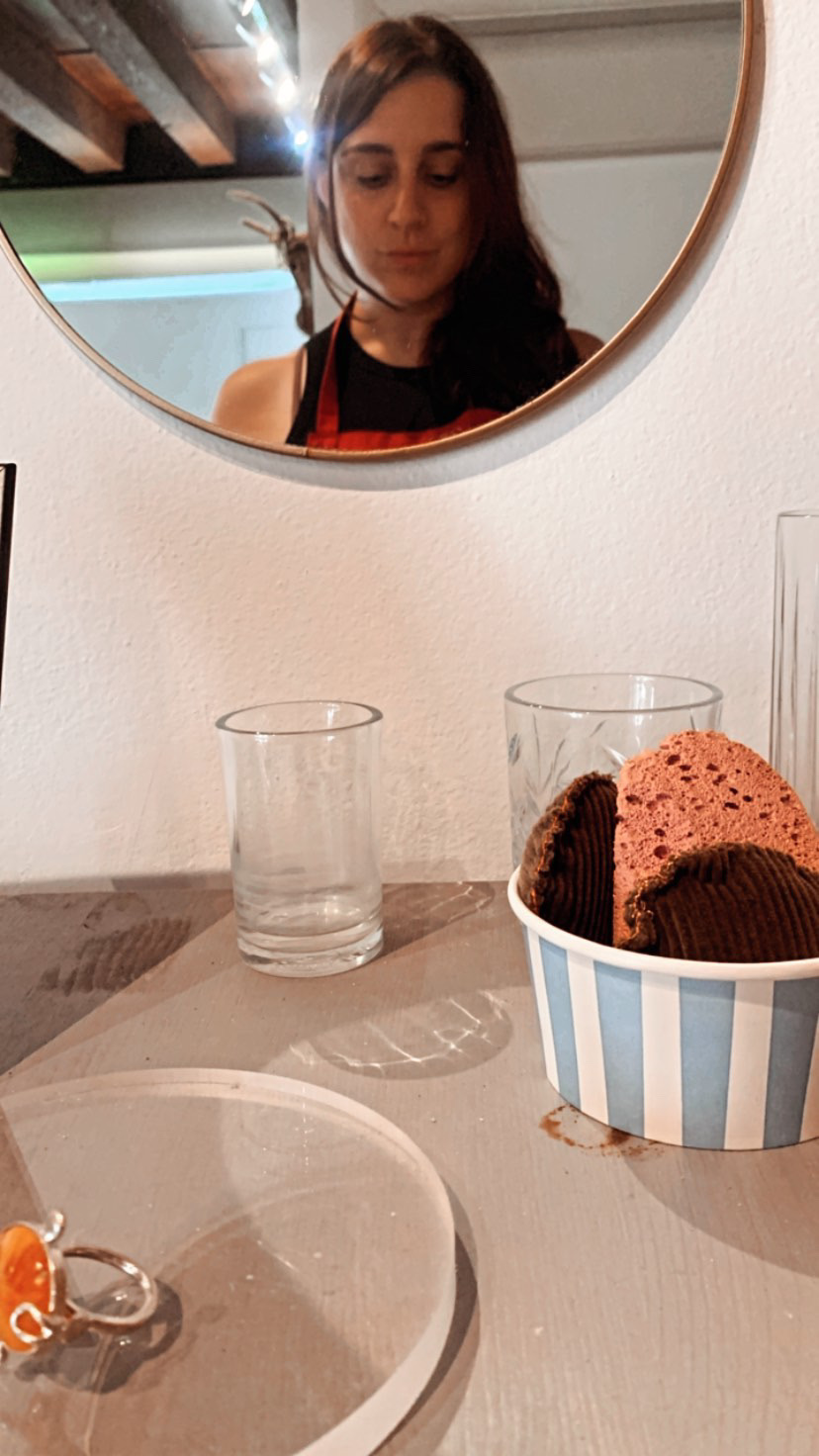
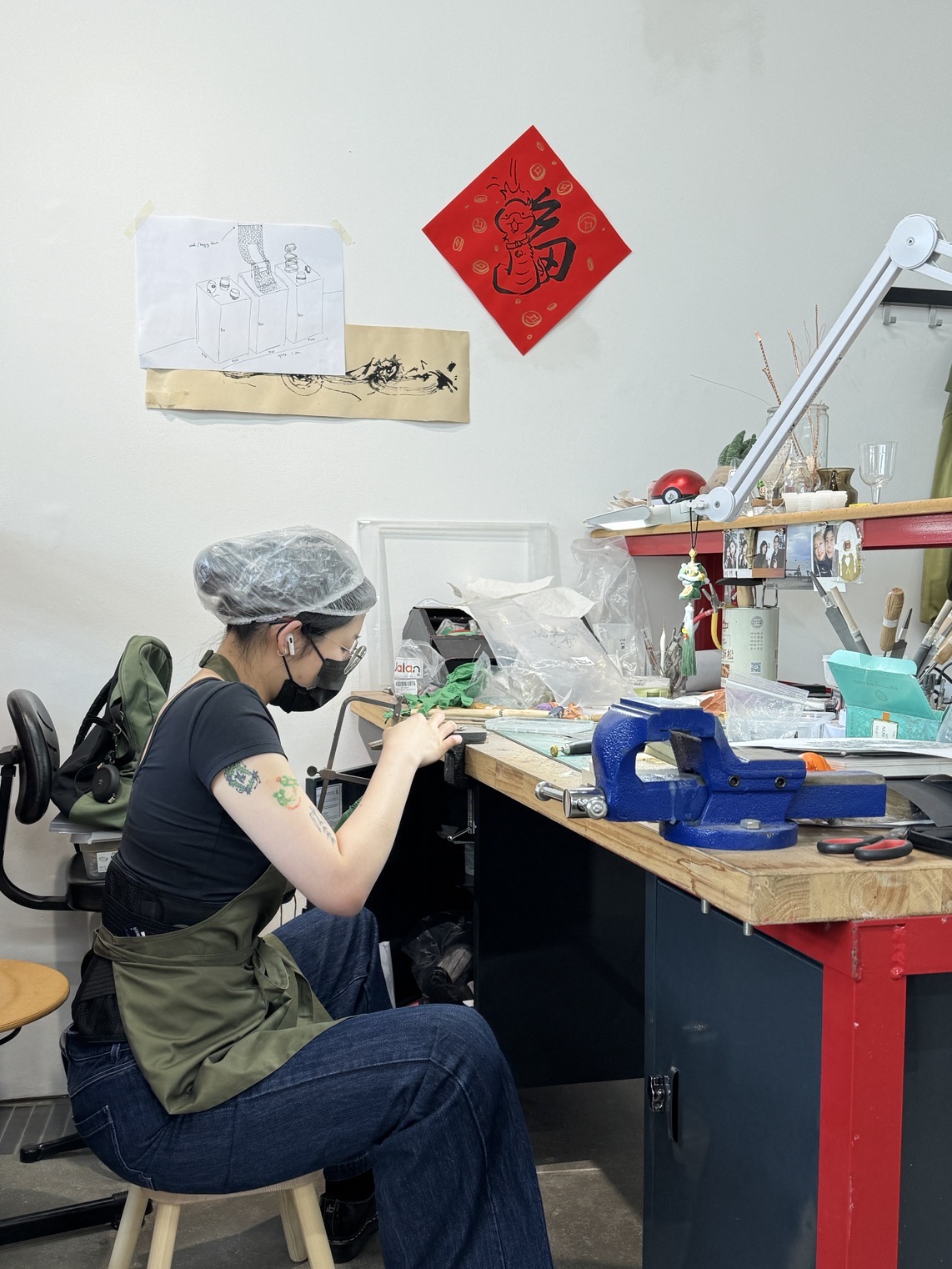
My studio is actually at home at the moment, so it’s quite informal and definitely a little messy when I’m working. But I somehow always know where everything is within the mess!
The space faces a large window, so I get a lot of natural light and can look out at the greenery while I work. I spend a lot of time there whenever I’m at home, and because the studio is part of my living space, it naturally blends in with my furniture and plants.
I quite like that feeling of the studio being part of everyday life, rather than being completely separate from it. That said, I would love to eventually have a shared studio space with other makers, where we could exchange ideas, have conversations and learn from each other. For now, my home studio is where I am and I’m making the most of it.
Valeria Rossini
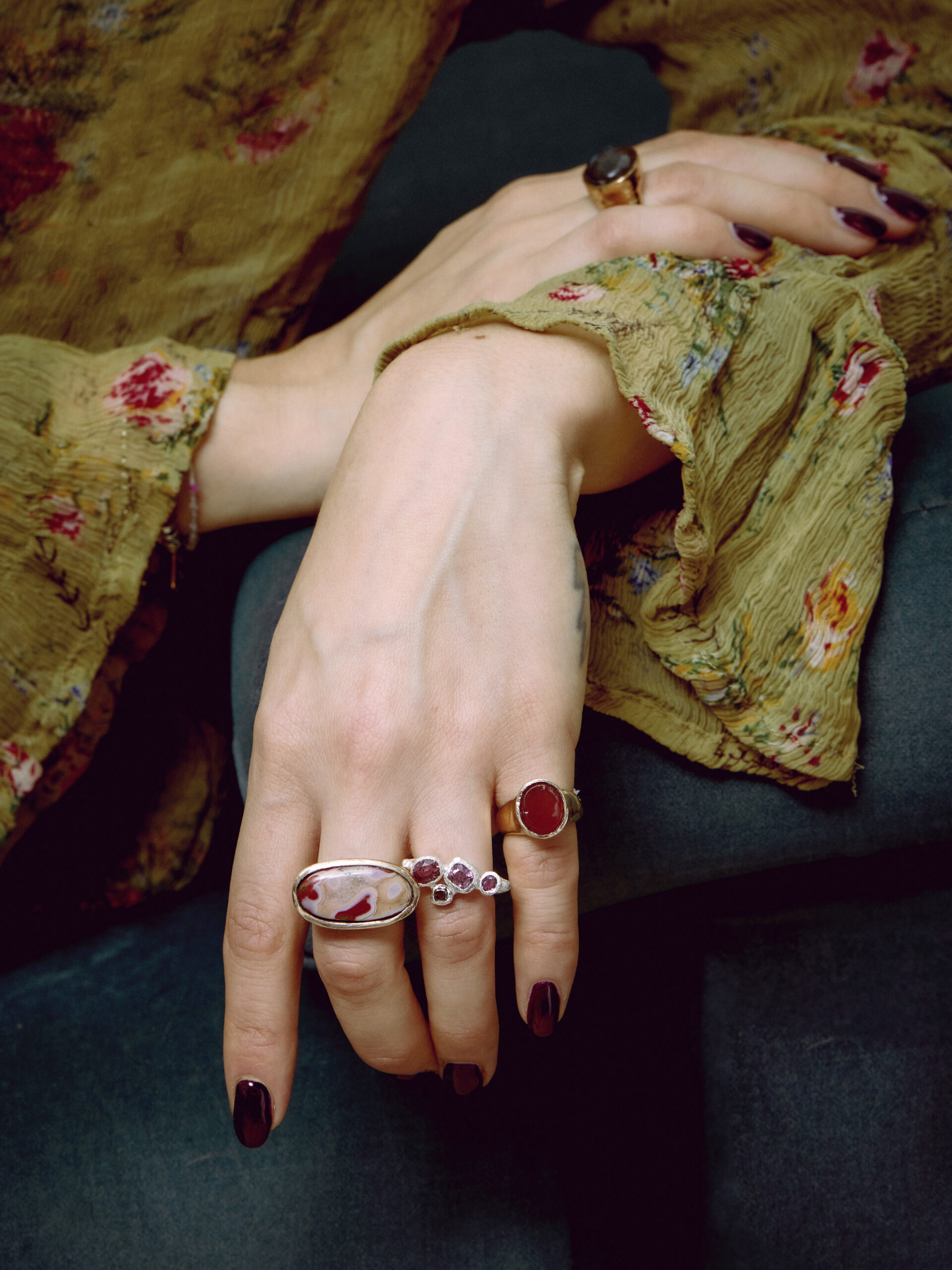
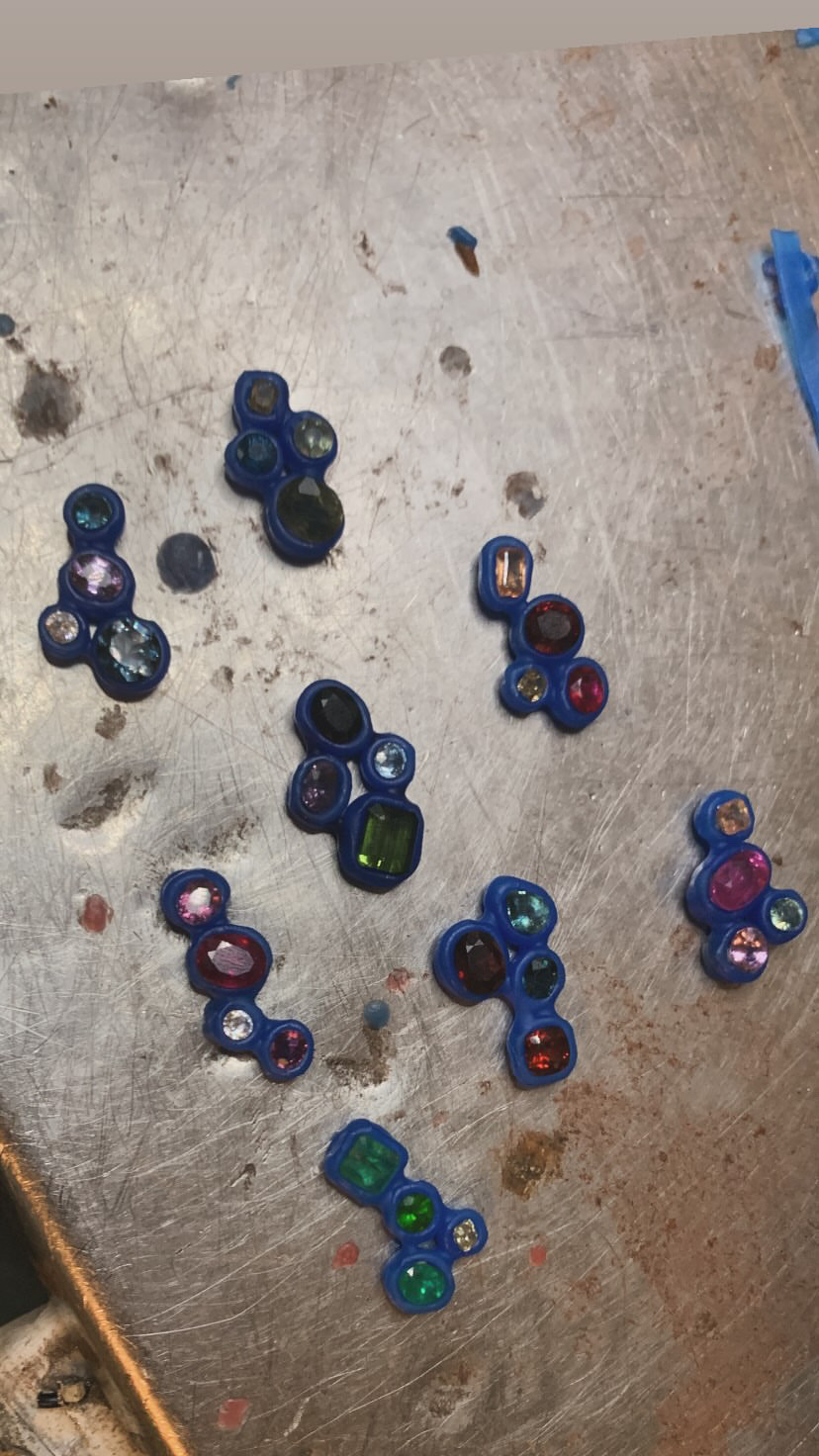
The beauty of having a studio in the historic heart of a city as magnificent as Verona is that the setting itself becomes a constant source of inspiration. I like to think of my jewelry—assemblages of stones and small antique objects—as a direct reflection of the space in which they are created. Like the pieces themselves, the studio is intimate and thoughtfully curated down to the smallest detail, while remaining practical and, above all, a place that inspires a profound sense of calm in those who work here. This is where all of my creative work takes place.
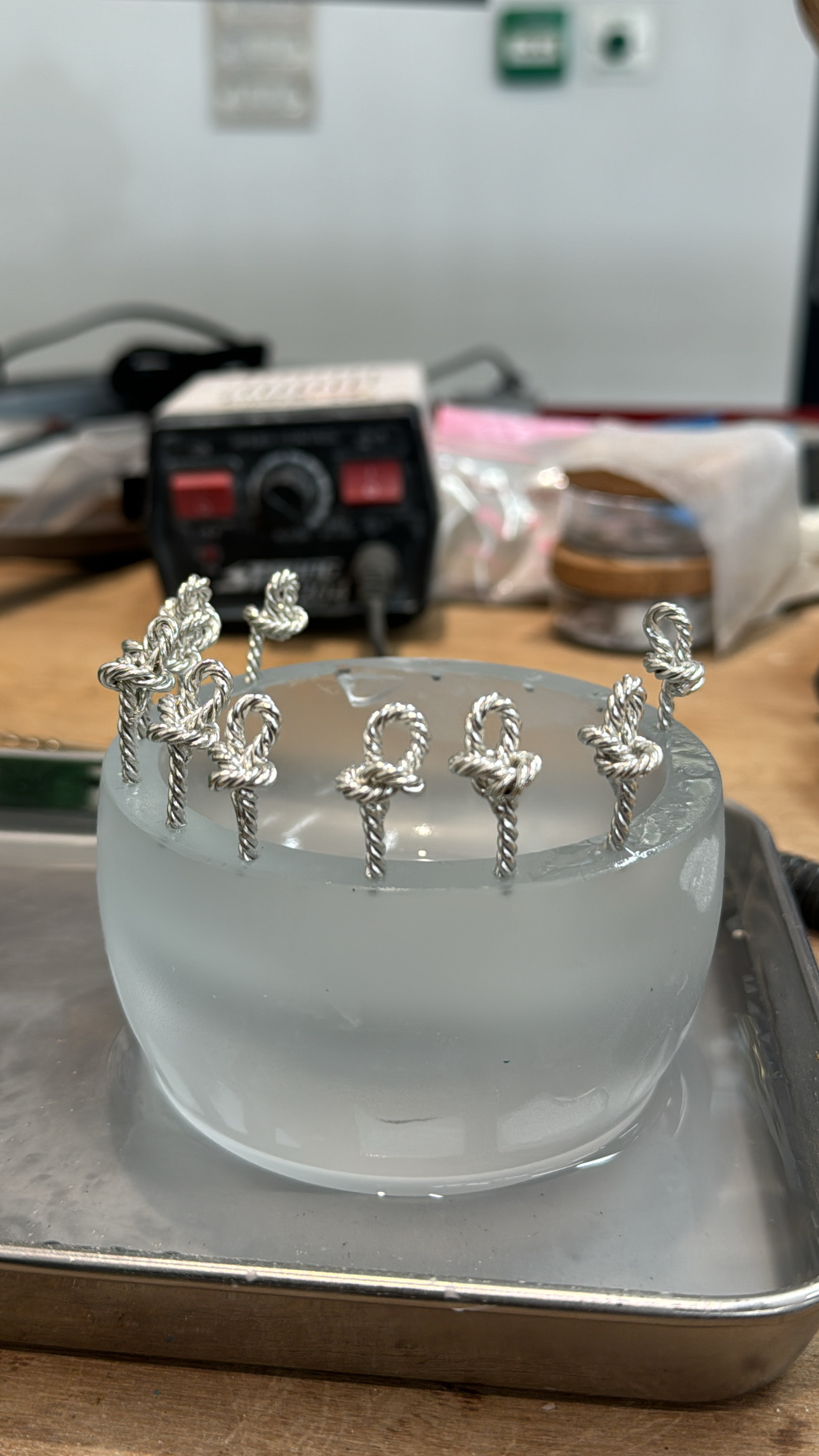
My creative process essentially revolves around assembling objects and elements together. These may be precious or semi-precious stones, coral or bone, antique coins, or other found objects. For me, the creation of a piece of jewelry begins with the search for distinctive elements and unexpected combinations of color and texture.
It then develops through a study of historical forms, as well as those found in museum collections, which I reinterpret through a contemporary lens. Above all, what matters to me is that each piece conveys a clear sense of the absolute uniqueness of every piece.
The images sent by Romanian Jewelry Week with the consent of the creatives presented in the article. The article was created with the assistance of Alexandra Bujeniţă.