We are excited to continue our interview series featuring jewellery creators and their workshop experiences and creative processes.In the article, we showcase the workshops and creative journeys of jewellery designers Jingya Yang, Stephie Morawetz, Fangjing Hu and The Vāult.
Their works will be exhibited at Romanian Jewelry Week in Bucharest from September 30 to October 4, 2026.
Jingya Yang
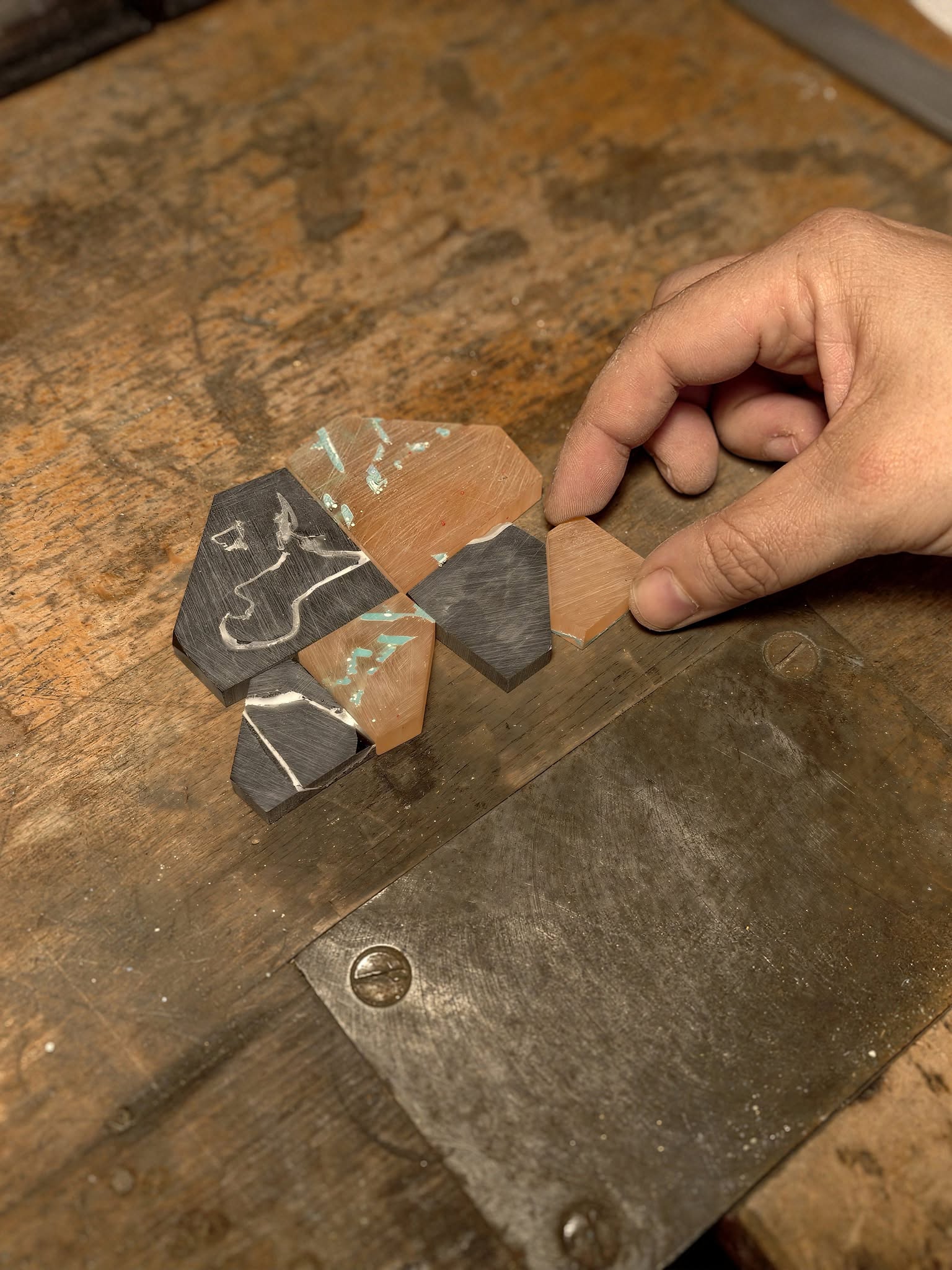
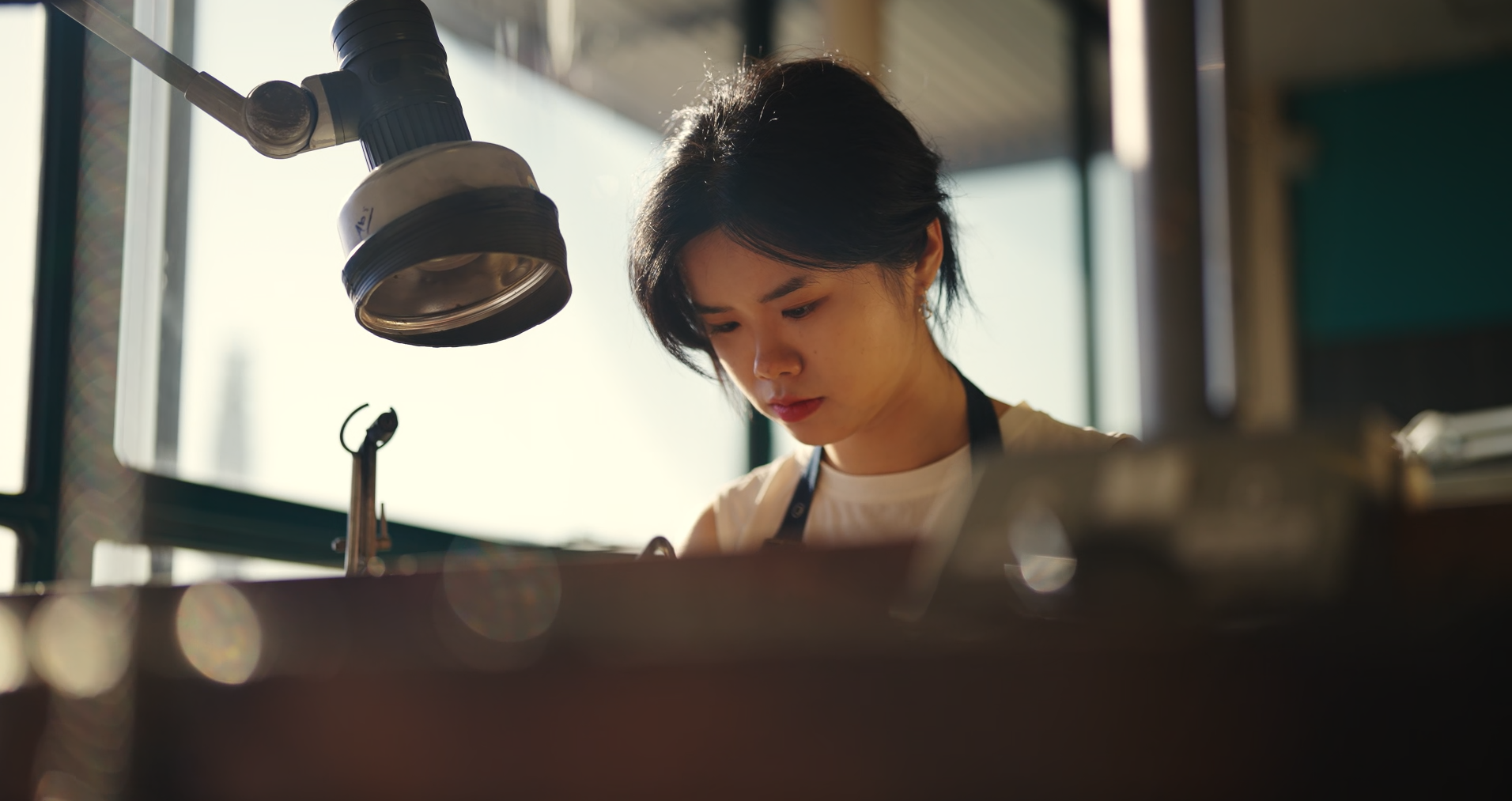
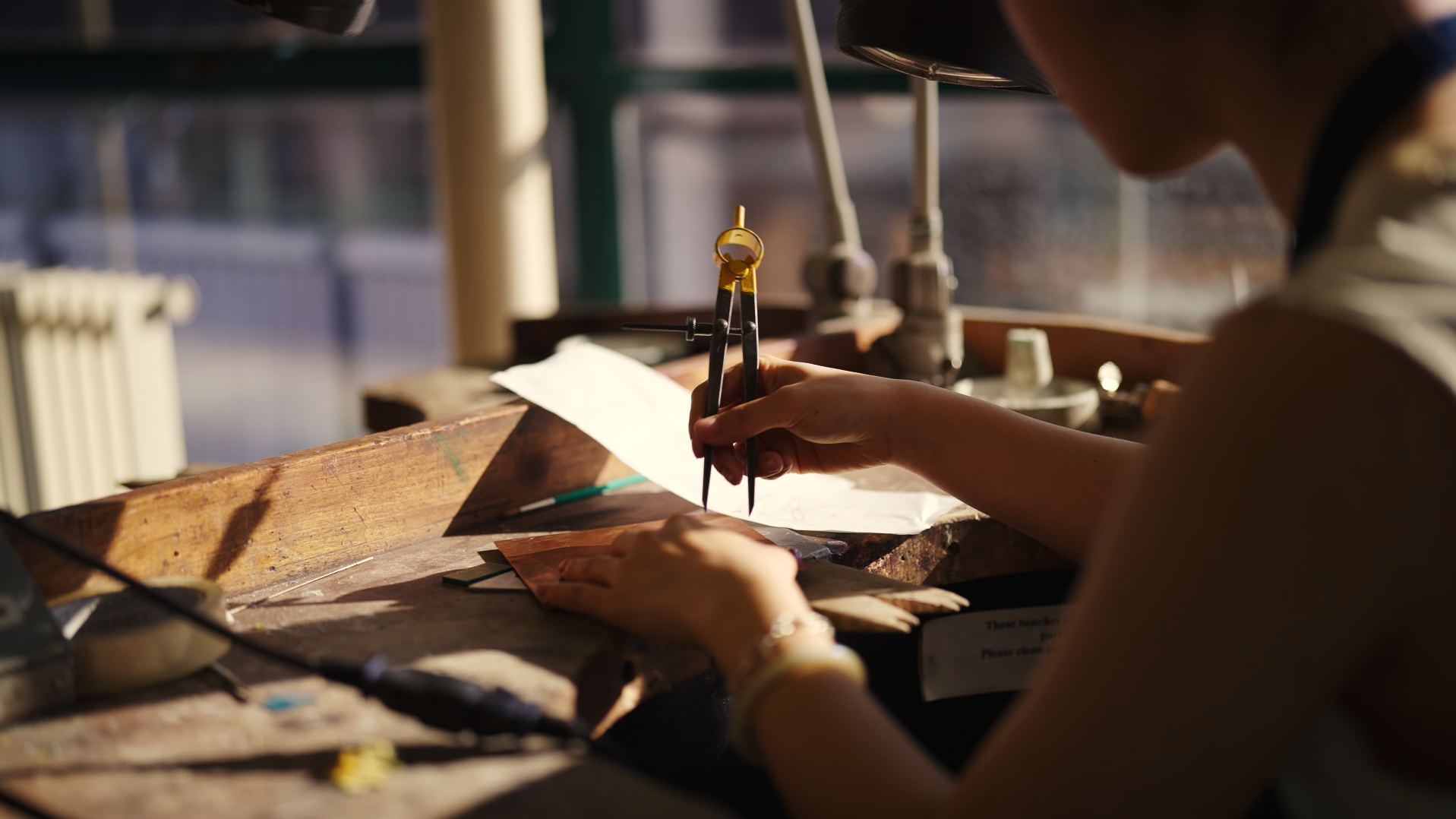
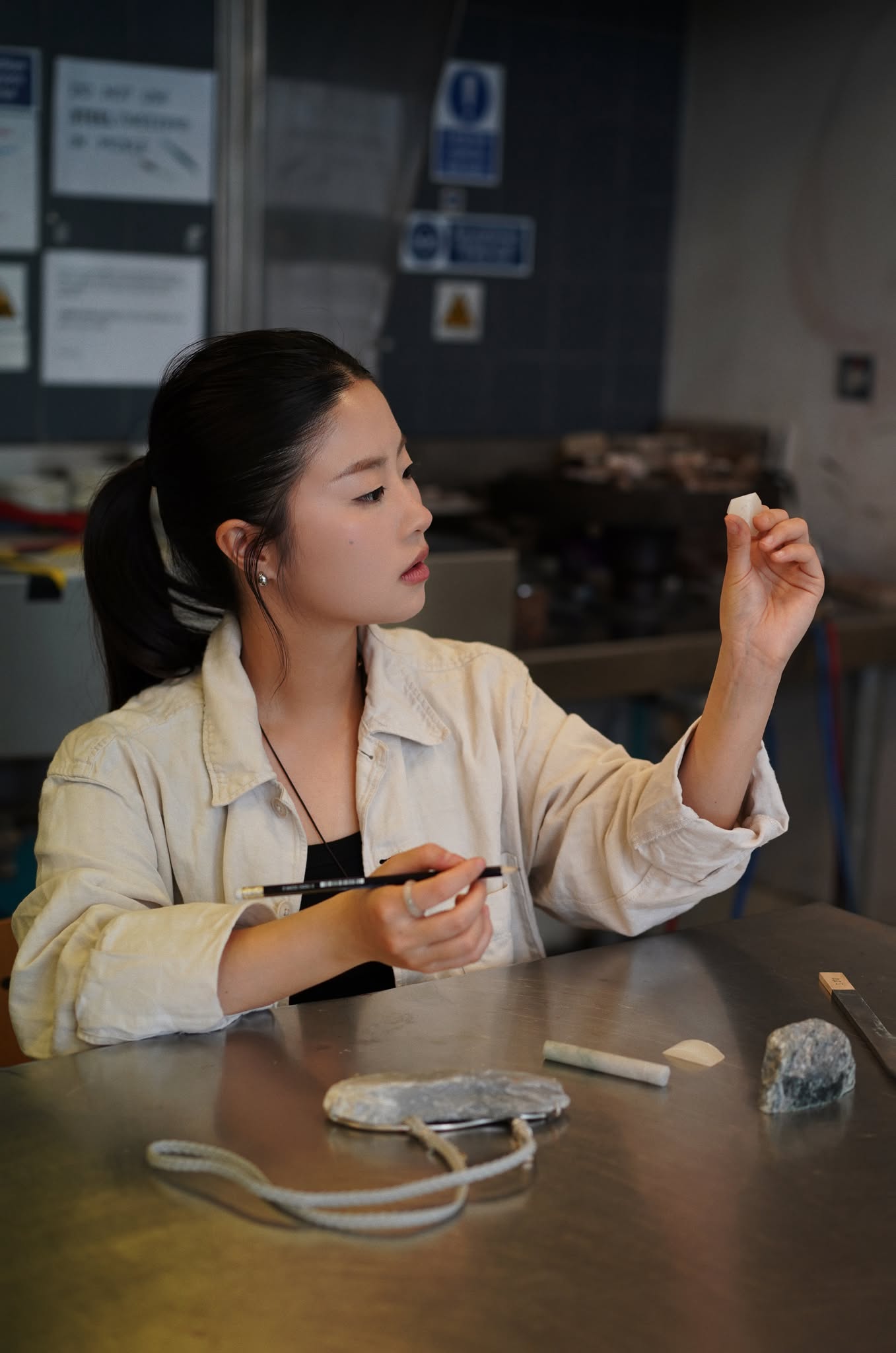
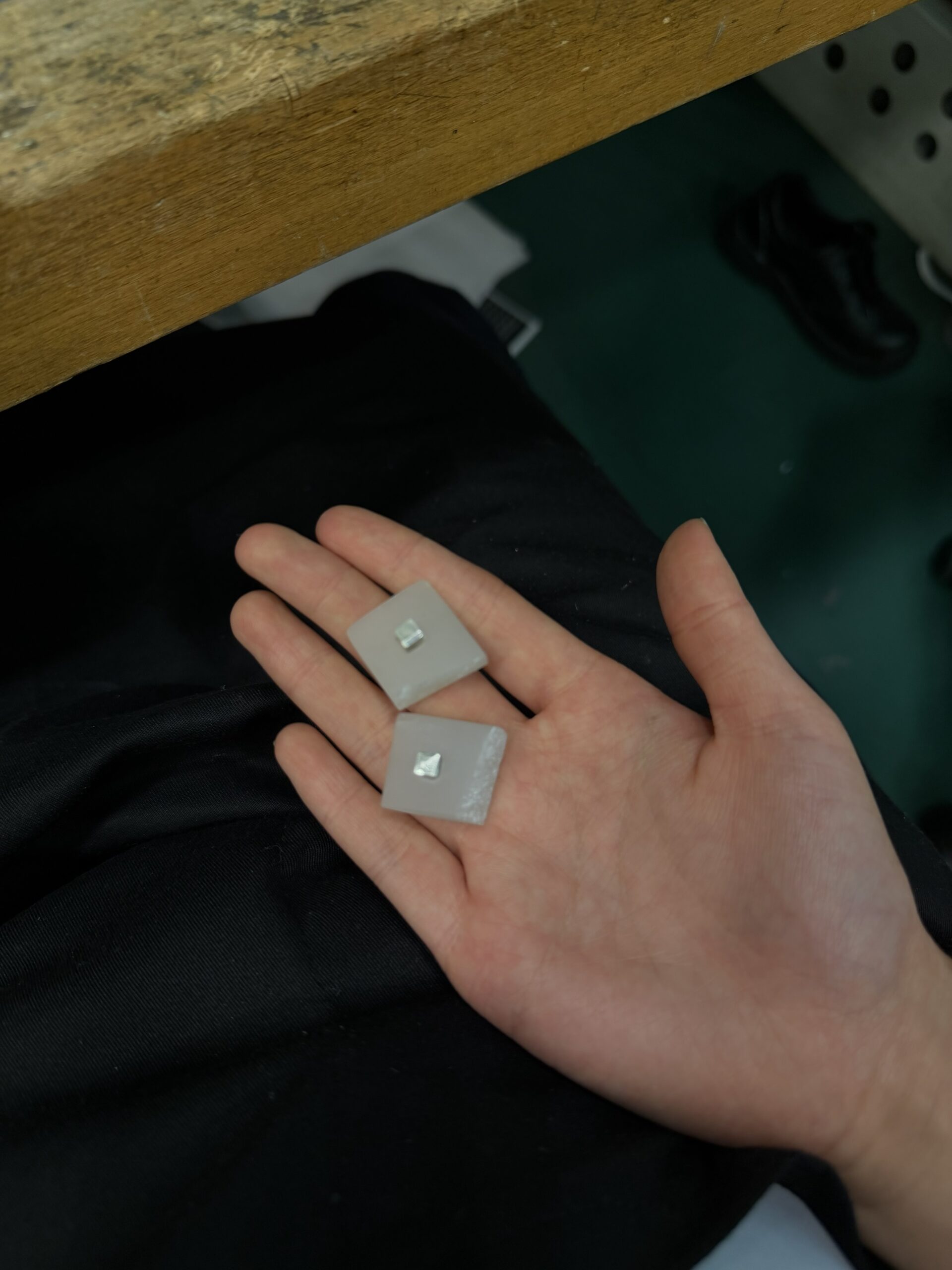
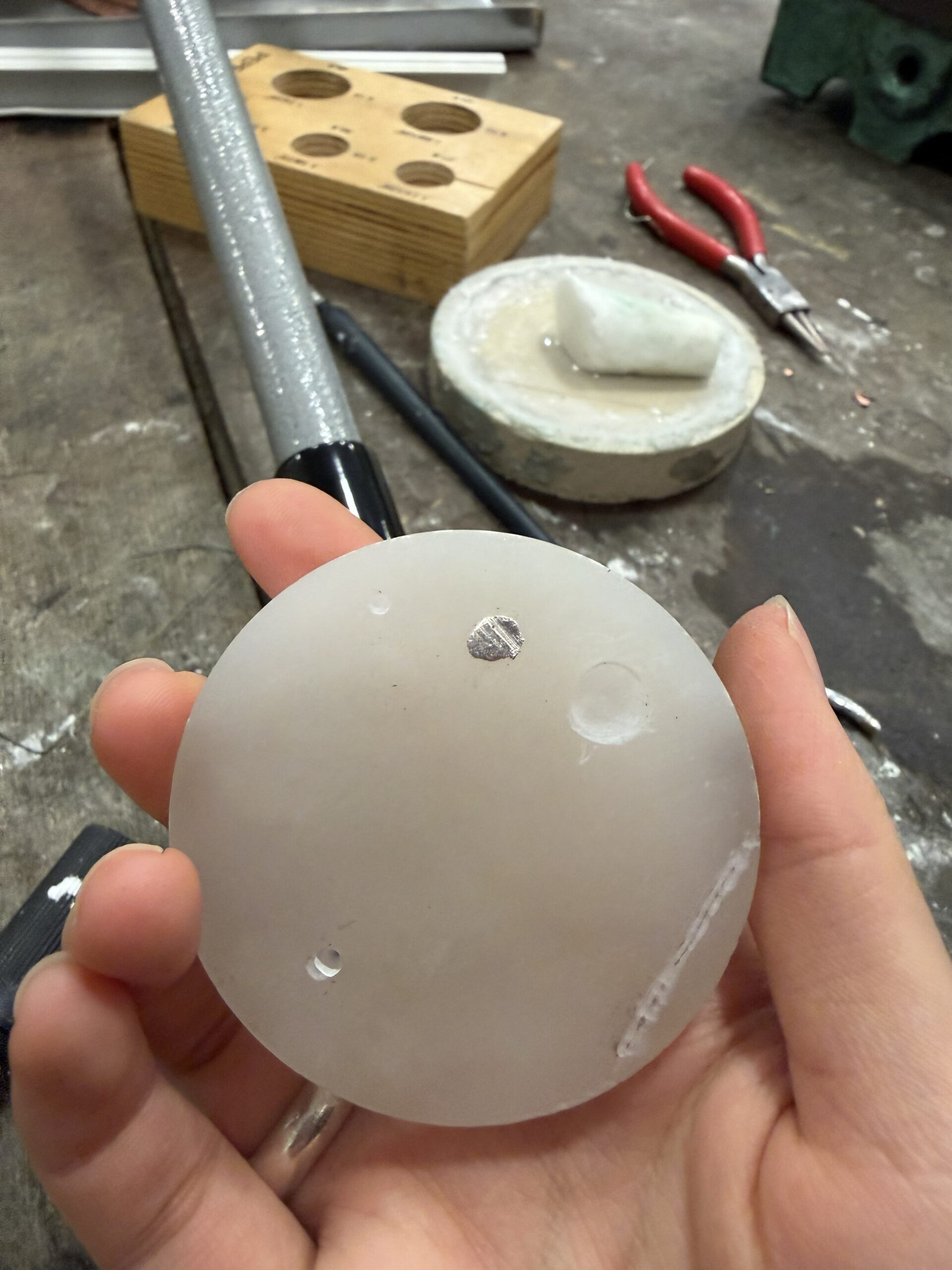
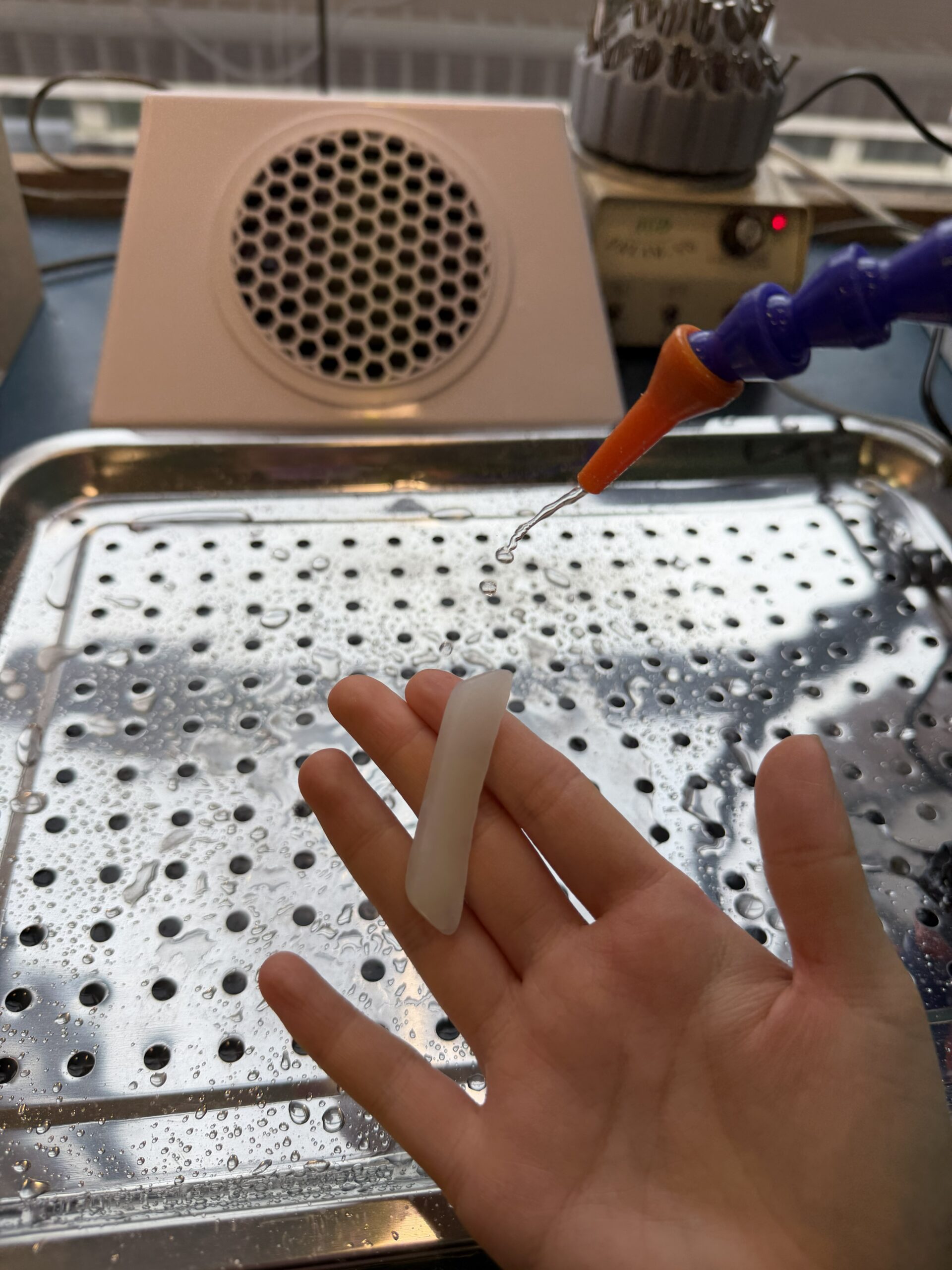
My creative practice does not happen in just one place. I am currently based in Birmingham, UK, where I am an Artist in Residence at Birmingham City University’s School of Jewellery. I spend a lot of my time at the School of Jewellery, and at this stage, much of my work there is focused on developing ideas through writing and sketching, as well as recording ideas and inspirations as they emerge. My current practice focuses primarily on nephrite jade. I brought some basic jade-working equipment with me from China, including a small water-circulation cooling system, carving tools and polishing stones. However, because the facilities and equipment available to me here are relatively limited for working with jade, what I can do in the UK is mostly making samples, testing ideas, sketching and developing the written side of my projects.
At the moment, I return to China, my home country, around twice a year. My hometown is known as a “hometown of jade carving”, and when I return, I am able to use the studios of local jade craftspeople, where I have access to more specialised equipment to develop and make my work.
For me, inspiration is also not limited to the studio. A lot of it comes from what I see and experience while living abroad, particularly what I encounter within the jewellery field, as well as things that happen in everyday life or while travelling. An idea might come from something I see, somewhere I visit, or simply an unexpected moment in daily life. I collect these observations and experiences wherever I am, and they gradually become part of my creative process. Because of this, I do not really think of my studio as one fixed physical space. Inspiration and the development of my ideas can happen anywhere. In that sense, I feel that the whole world can be a huge studio.
At the same time, working with nephrite jade is a very physical process and requires specific tools and equipment. So while my ideas are not tied to one place, turning them into physical objects often requires a particular working environment. The different places in my life therefore play different roles in my practice: ideas can develop wherever I am, while the actual making takes place wherever I have access to the tools and conditions that the work requires.
If there is something I would like to change in the future, I hope to have my own studio in the UK with a more complete set of jade-working equipment. It would give me greater freedom to move between thinking, experimenting and making whenever an idea develops, while still allowing my practice to remain open to everything I encounter beyond the studio.
Stephie Morawetz
The space is like a cabinet of curiosities, always something new to discover. I collect constantly. People give me materials because I’m an artist, I find pieces on the street, I search through exchange boxes. I’d like less, but objects find me. Multiple projects happen simultaneously, so material scatters everywhere. I try keeping it organized, but it’s a continuous challenge. I love machines. An old hat maker’s sewing machine shares the space with a new laser cutter. Both are part of my language. The old and the new exist together in how I think and work.
My practice is thinking. I work through ideas thoroughly before making them, taking time to sit with concepts and let them develop before I start creating. I love books and have built my own library over time. Through reading and observation, I find answers to questions I don’t yet understand. These are spaces where I spend hours thinking, where much planning happens before anything becomes physical.
My studio and apartment have merged slowly into one. It now consists of several sections: a dust room where the big machines live, a material storage, a studio for less dusty work, and my living room transformed into a library, photo studio, and performance space where I create self portraits and do my performances.
It’s chaotic, but it works.
Fangjing Hu
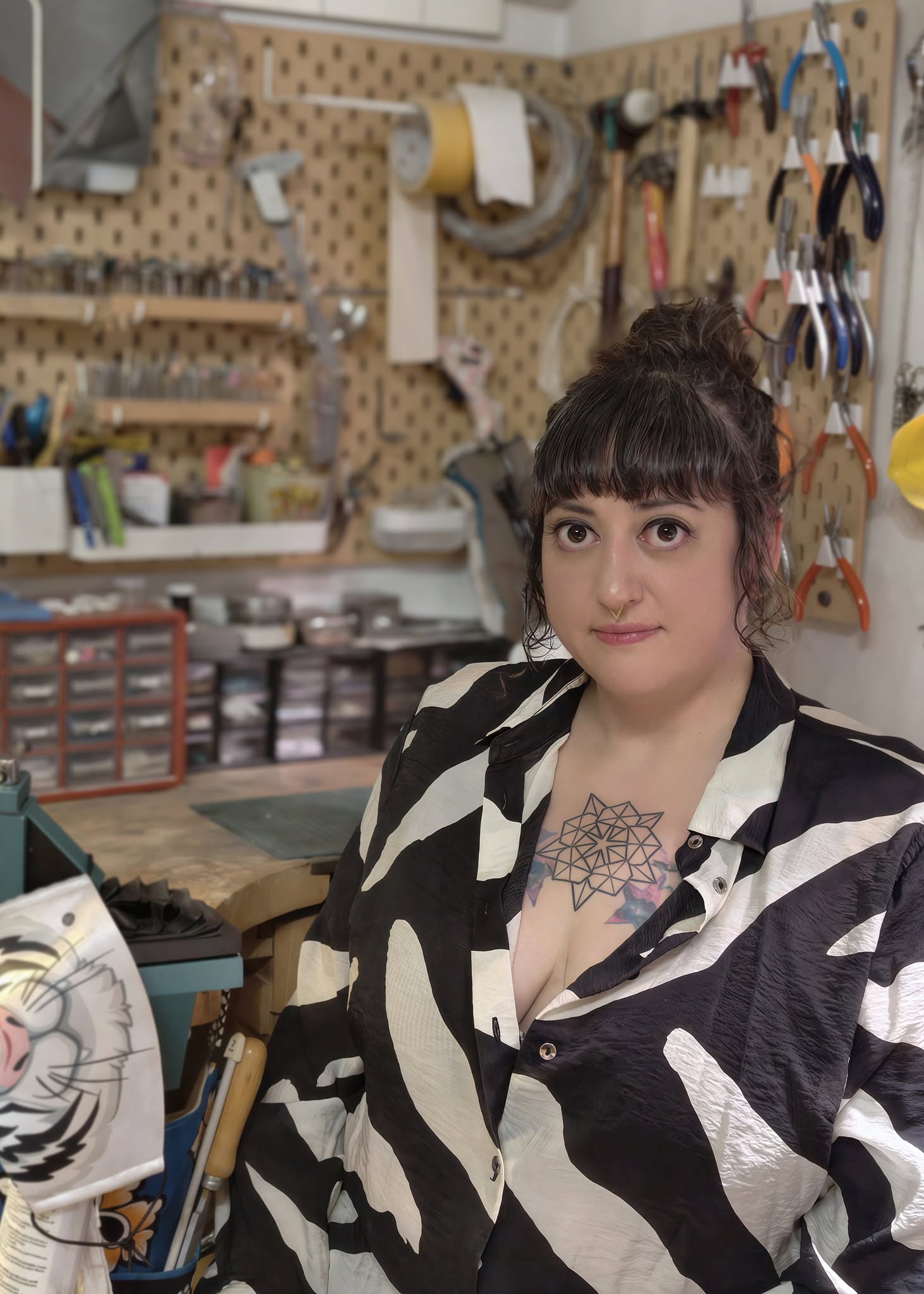
I am currently an Artist in Residence at the School of Jewellery, Birmingham City University, working in the heart of Birmingham’s Jewellery Quarter. Having access to a fully equipped workshop allows me to move freely between designing, making and experimenting.
What inspires me most about the Jewellery Quarter is its strong culture of making. Independent jewellers, artists and small businesses have built their practices here from the ground up. Being surrounded by so many makers creates a constant exchange of ideas, skills and conversations, which I find incredibly inspiring.
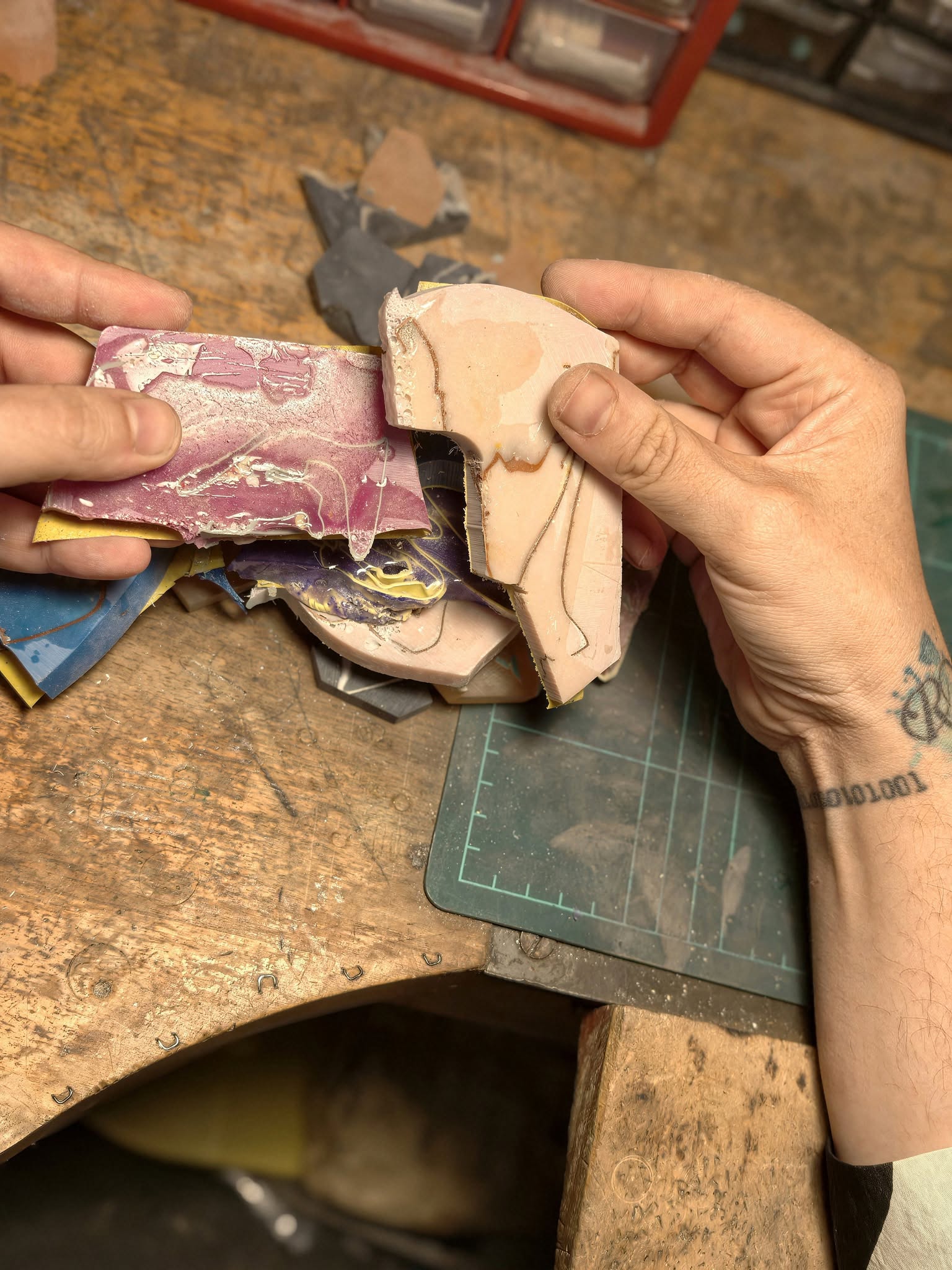
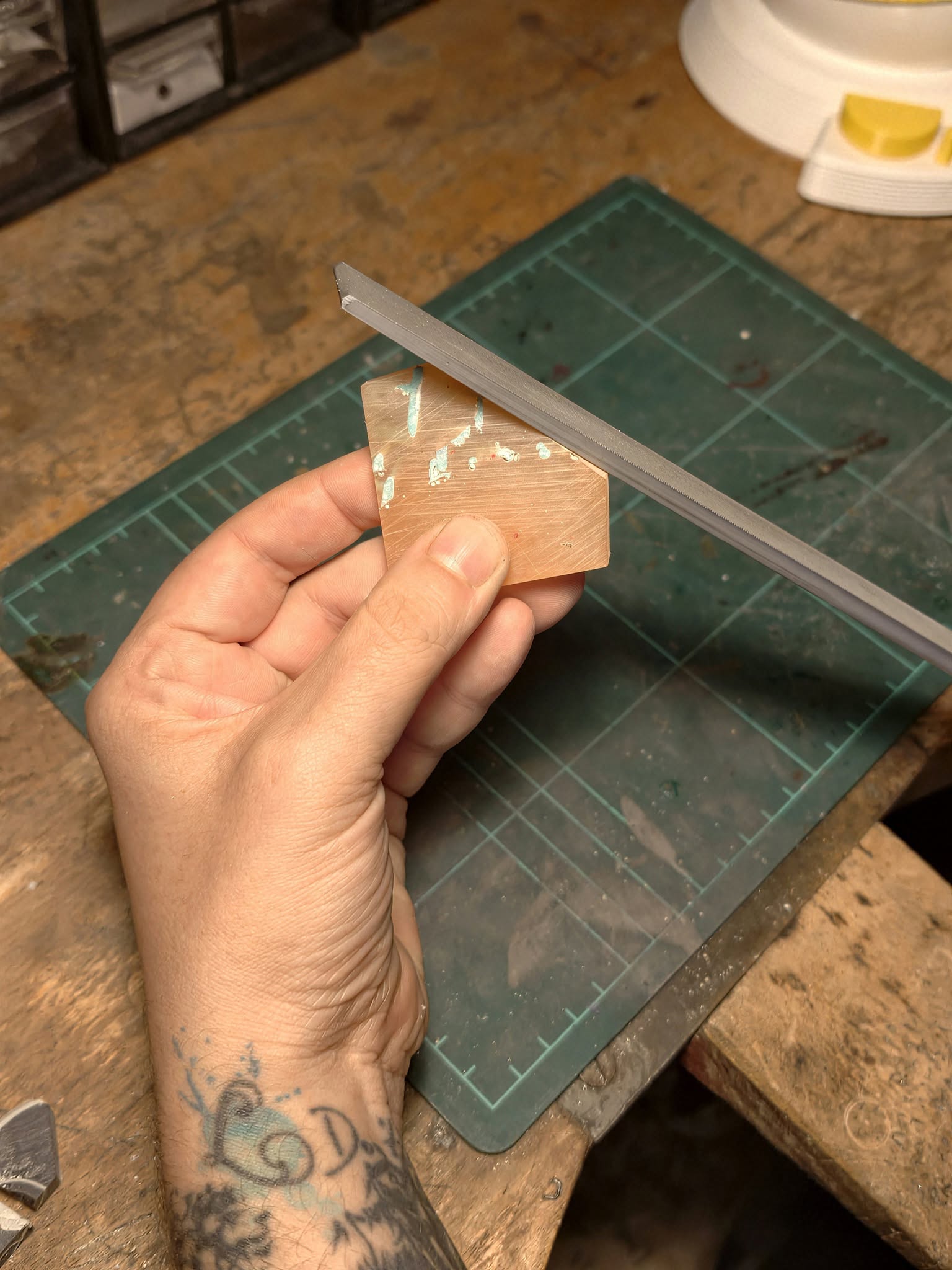
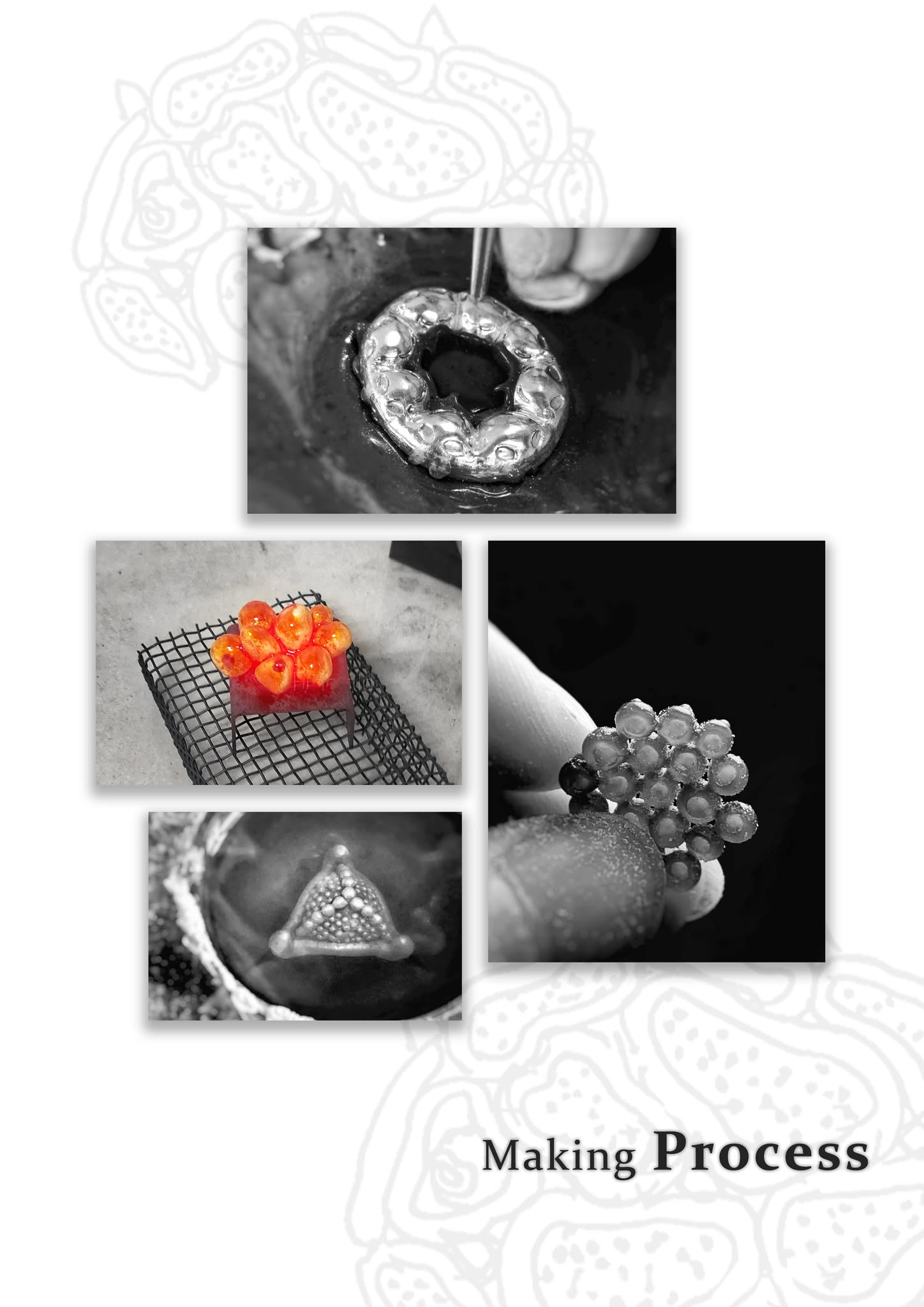
My making process often moves from wax carving to casting and then enamelling. I am particularly interested in the balance between control and unpredictability in these processes. A delicate wax form can break, while enamel can change dramatically depending on temperature, timing, grain size and how it is applied. I often repeat a process many times before I understand what the material is telling me.
These experiments are an important part of my jewellery practice. I am interested in translating delicate and fleeting experiences of nature into wearable forms, while allowing the material itself to retain some of its unpredictability.
The School of Jewellery is only a short walk from my workplace, so after a day of designing, I can step into the workshop and continue making until late. For me, the studio is where an idea stops being an image in my head and becomes something physical, a place that to test, fail, observe and try again.
The Vāult project, which will be presented at Romanian Jewelry Week, is the result of a collaborative effort by a three-person team: Elena Dobrovolsky, Alex Dalevich and Alexey Serbinov. Each of us has a distinct role, an individual workspace, and a shared chat for brainstorming and ongoing discussions.
Elena Dobrovolsky
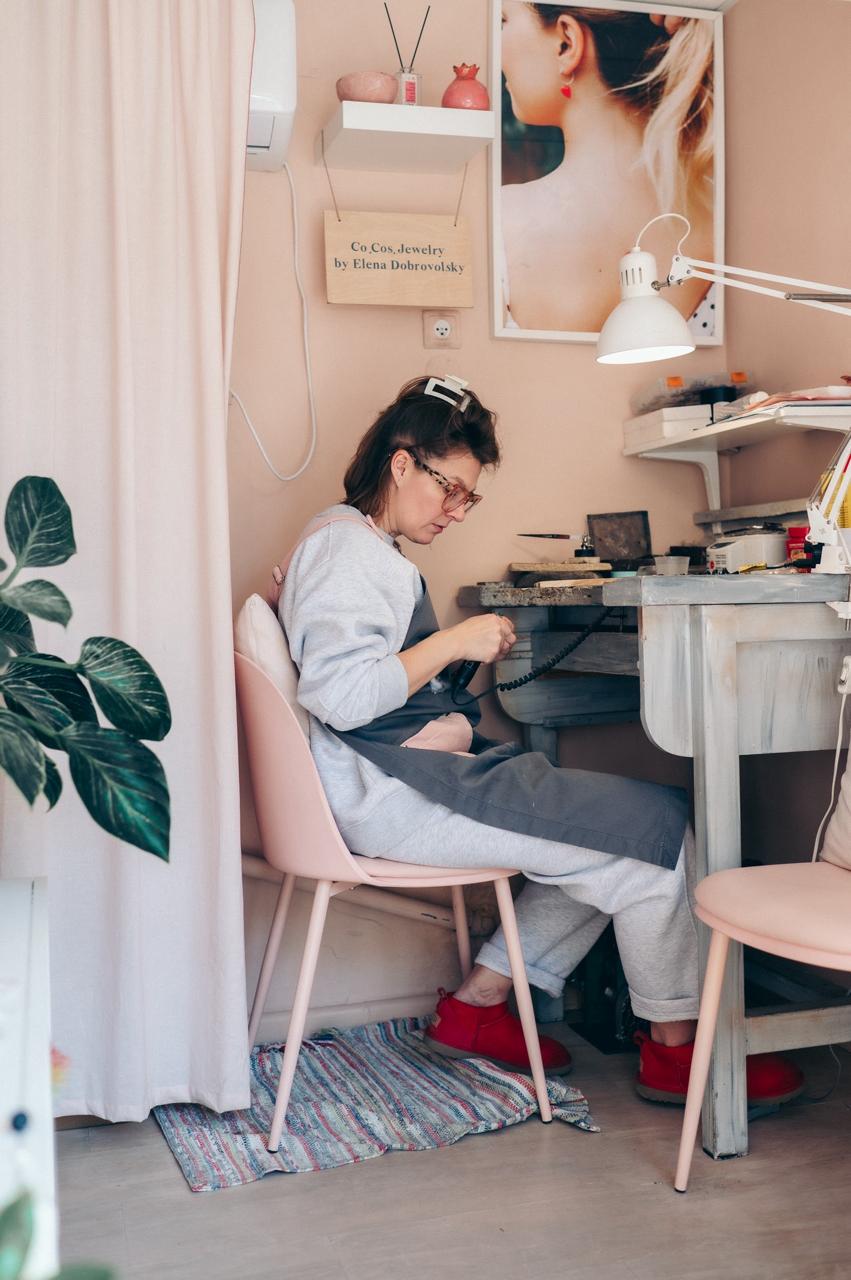
My studio is my place of power. Located on a vibrant shopping street in the city center, it serves as both my storefront and my working sanctuary for creating jewelry. My traditional workbench sits right next to the display shelves of finished pieces, surrounded by my tools. With large glass front windows looking out onto the street, visitors frequently drop in. I work alone, arriving early at 8:00 AM every day and often staying late into the evening. When there are no clients, I create.
I rarely draw preliminary sketches; most designs are born intuitively in my mind. From there, I go straight into the physical action: melting silver, shaping it on the rolling mill, selecting gemstones or pearls, soldering, setting, and polishing until a new piece is complete. My small studio has everything needed to create jewelry from scratch – and most importantly, an endless stream of ideas in my head.
A significant part of my day goes into managing social media. I actively run our Instagram and Facebook pages, sharing behind-the-scenes creation processes and new arrivals. Exhibition applications, photography, content creation, social media, and team coordination fall under my scope. The studio is painted in a warm pink hue, with photos of models wearing my designs lining the walls. Seeing me in my jeweler’s apron at the workbench surrounded by tools, even a casual visitor immediately knows they are in the presence of the creator.
Alex Dalevich
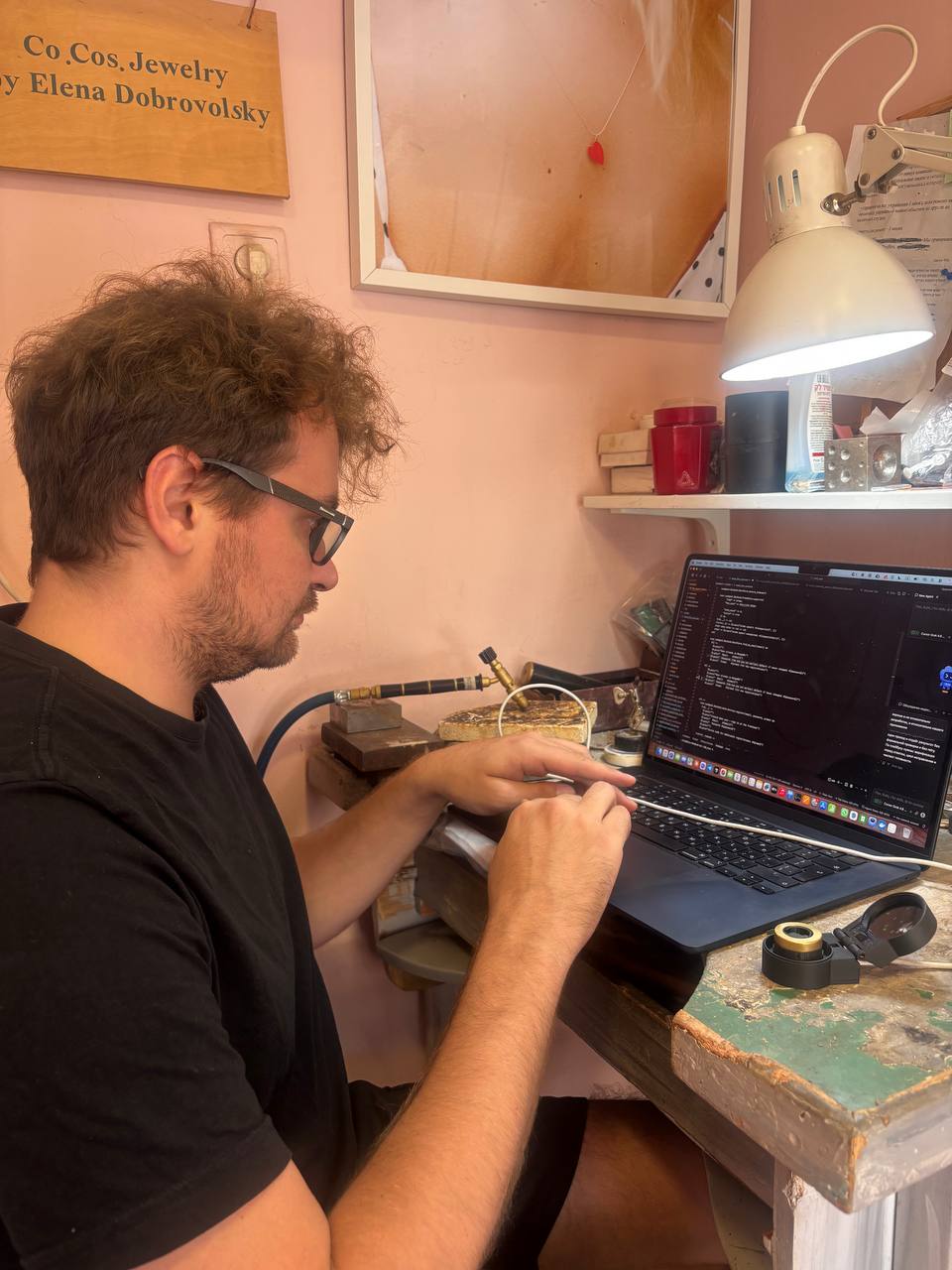
My workspace revolves around a computer, a 3D printer, and precision inspection tools. I think through three-dimensional models: setting dimensions, planning joints and tolerances, and integrating the main body with both the silver framework and the internal electronics. I use artificial intelligence to refine conceptual ideas, visualize concepts, and assist with programming. I then print physical prototypes, inspect tolerances with calipers, and fine-tune the model. I am also responsible for developing the user software interface for the device. Elena and I have been collaborating since the CLOUDS collection, which is when the idea of embedding a personal digital vault into a piece of jewelry first came to me. In The Vāult, I bridge design, structural engineering, and software architecture. What drives me is the ability to bring an idea from a screen model all the way to a wearable physical object.
Alexey Serbinov
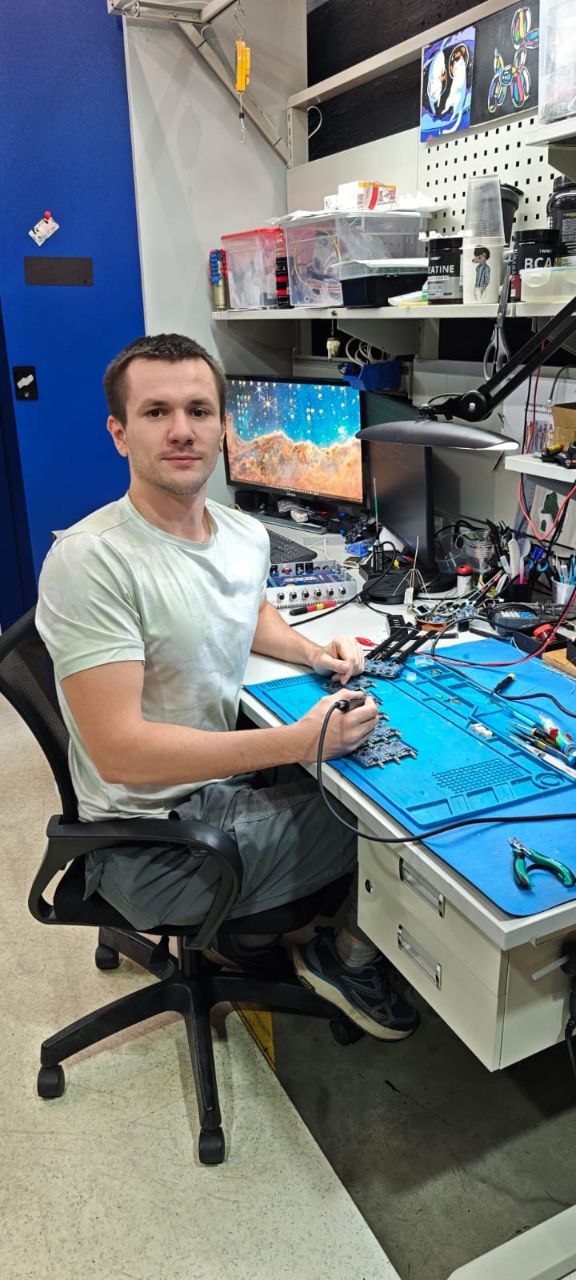
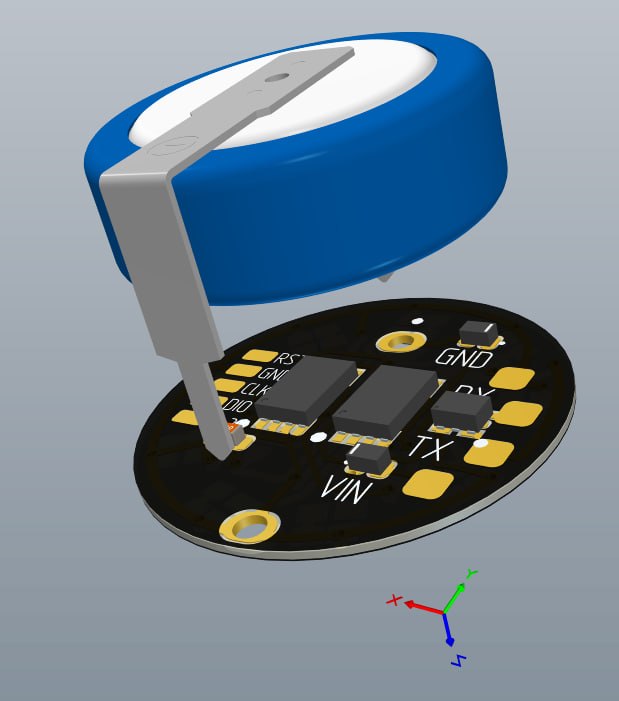
I work from Kazakhstan. My desk is set up with a computer, soldering station, circuit boards, components, and wiring. For The Vāult, I engineered the electronic circuit board and wrote the firmware – the internal software that runs inside the device and controls its components.
My process begins with schematic design and component layout on the board, followed by assembly, continuity testing, and code debugging. It requires constantly aligning the physical behavior of the device with the logic embedded in the program. The compact size of the jewelry piece demands precise integration of the electronics with the casing and silver structure. Alex and I also coordinate to ensure seamless interaction between the firmware and the user software. Our individual workspaces come together through our shared chat, where all decisions regarding form, materials, and electronics are discussed collectively.
The images sent by Romanian Jewelry Week with the consent of the creatives presented in the article.
The article was created with the assistance of Alexandra Bujeniţă.