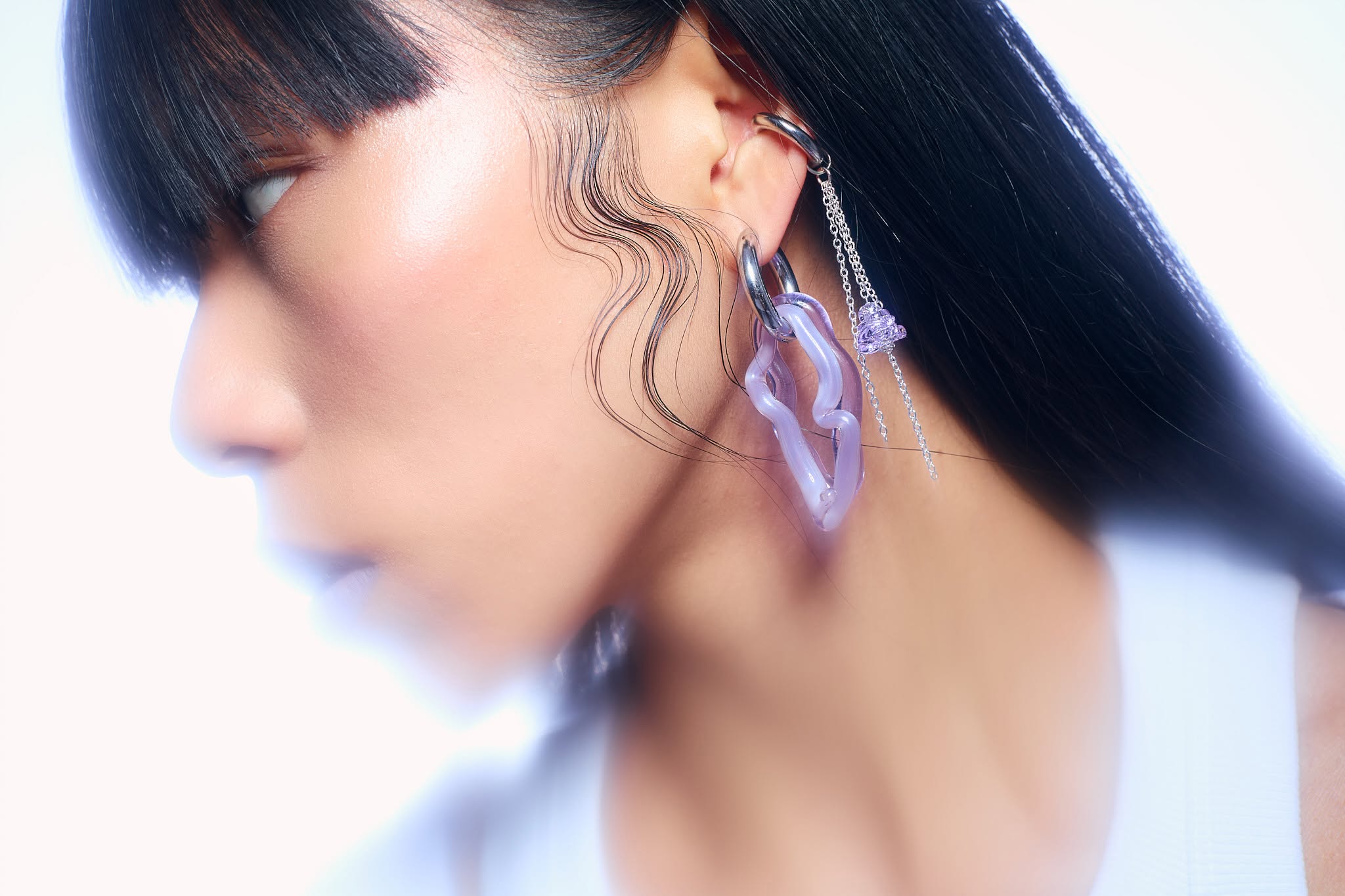
I awarded KITSCH KIOSK with The Atelierul Award – The Iconic Ones, during the Value of Nothing exhibition at Munchen Jewellery Week. I was captivated by their brand’s playful use of kitsch elements, vibrant colors, bold shapes, and intriguing perspectives. Eager to learn more about their story, I invited Lisa Nagel to share the journey behind KITSCH KIOSK.
Thank you, Eleonora Varotto (Hooroon) and Arte Design Venezia for allowing me to offer the Atelierul Award at your event.
1. Could you tell me more about KITSCH KIOSK ‘s origin? What events contributed to its growth and expansion in your pursuit of beauty and responsibility? Please tell me some information about the cofounders, also.
KITSCH KIOSK was founded as a graduation project at the University of Fine Arts Hamburg 2020. What started as a free project gradually evolved into an interdisciplinary creative practice with jewelry and glass at its core in 2022.
Our growth has happened organically, one step at a time. We have focused on continuously developing our work, refining our vision, creating exhibitions, meeting people around the world and staying curious. One of the greatest gifts has been seeing people stay with us over the years. Many collect our work because every piece speaks to them differently and invites new ways of wearing and combining it. In many ways, we have grown together. KITSCH KIOSK is a collaboration between Dr. Lisa Nagel and Jonas Kammers, partners in both life and work. Lisa is a jewelry designer who began by working with materials such as silver before discovering glass as her primary medium. Her work is defined by organic forms, vibrant colour and a fascination with the expressive possibilities of glass. Before dedicating herself fully to jewelry, she researched and taught in the social and economic sciences, focusing on topics such as behavioural decision making. Jonas is a graphic designer and typographer whose work is clean, minimal and precise. He shapes KITSCH KIOSK’s visual language across our digital presence and beyond. Together, we create KITSCH KIOSK as our own little world and as a way to express ourselves. Our different perspectives constantly challenge one another, making the work richer while keeping its sense of lightness.
2. How would you define beauty through KITSCH KIOSK’s perspective? How you you define kitsch?
Beauty
For us, beauty often lives in the unexpected. In an irregular shape. In the trace of the hand. In colour. In materials that reveal their own character rather than hide it. We are drawn to objects that feel alive and continue to reveal something new over time.
Beauty has always been a fundamental part of human life. We naturally surround ourselves with things we find beautiful, even when they serve no practical purpose. We simply believe the world needs beautiful things. That’s why we create objects we ourselves find beautiful, hoping they become part of someone else’s everyday life.
Kitsch
Kitsch may be one of the hardest words to define. Its meaning constantly shifts with culture, time and personal experience. What was once clearly separated from art has gradually become part of contemporary art, design and fashion. What one generation dismisses as kitsch may later be art.
For us kitsch is something we feel.
It isn’t about poor taste, cheapness or excess. It’s about the things that catch you before you have time to explain why. A sparkle. A bold colour. A playful detail. A childhood memory. Joy. Words. Wonder. Nostalgia. It doesn’t have to make sense as long as it resonates with you.
We believe kitsch is a deeply personal form of expression because what resonates with one person may leave another completely untouched.
Perhaps that’s the essence of KITSCH KIOSK. We take the small moments seriously, even those that might seem insignificant at first. A sparkle. A colour. Light reflected in glass. A compliment. Or the feeling of discovering something that immediately speaks to you. These are the moments that make everyday life feel a little brighter. We believe they deserve our attention.
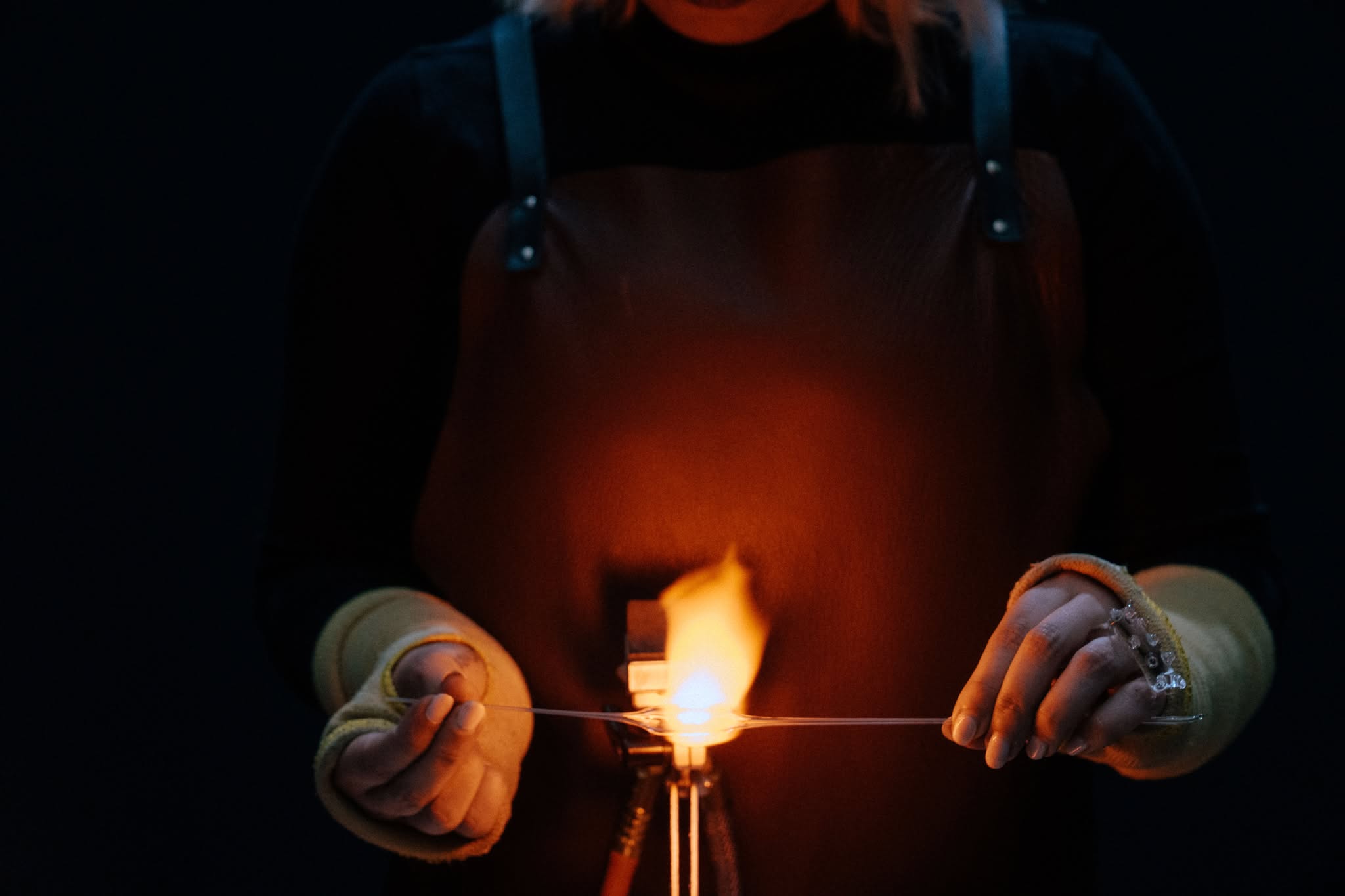
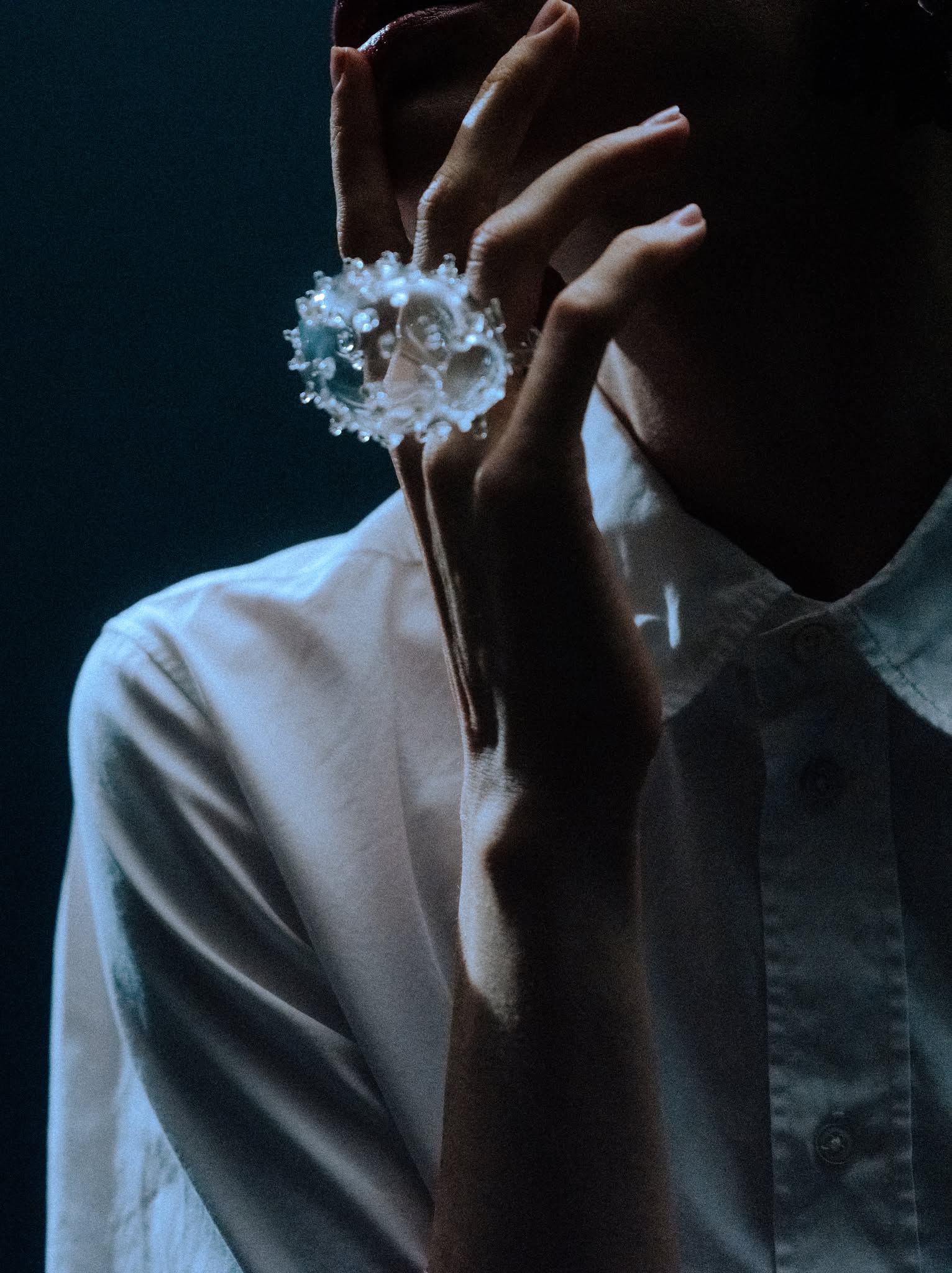
3. How KITSCH KIOSK defines traditional techniques that meet contemporary jewelry design?
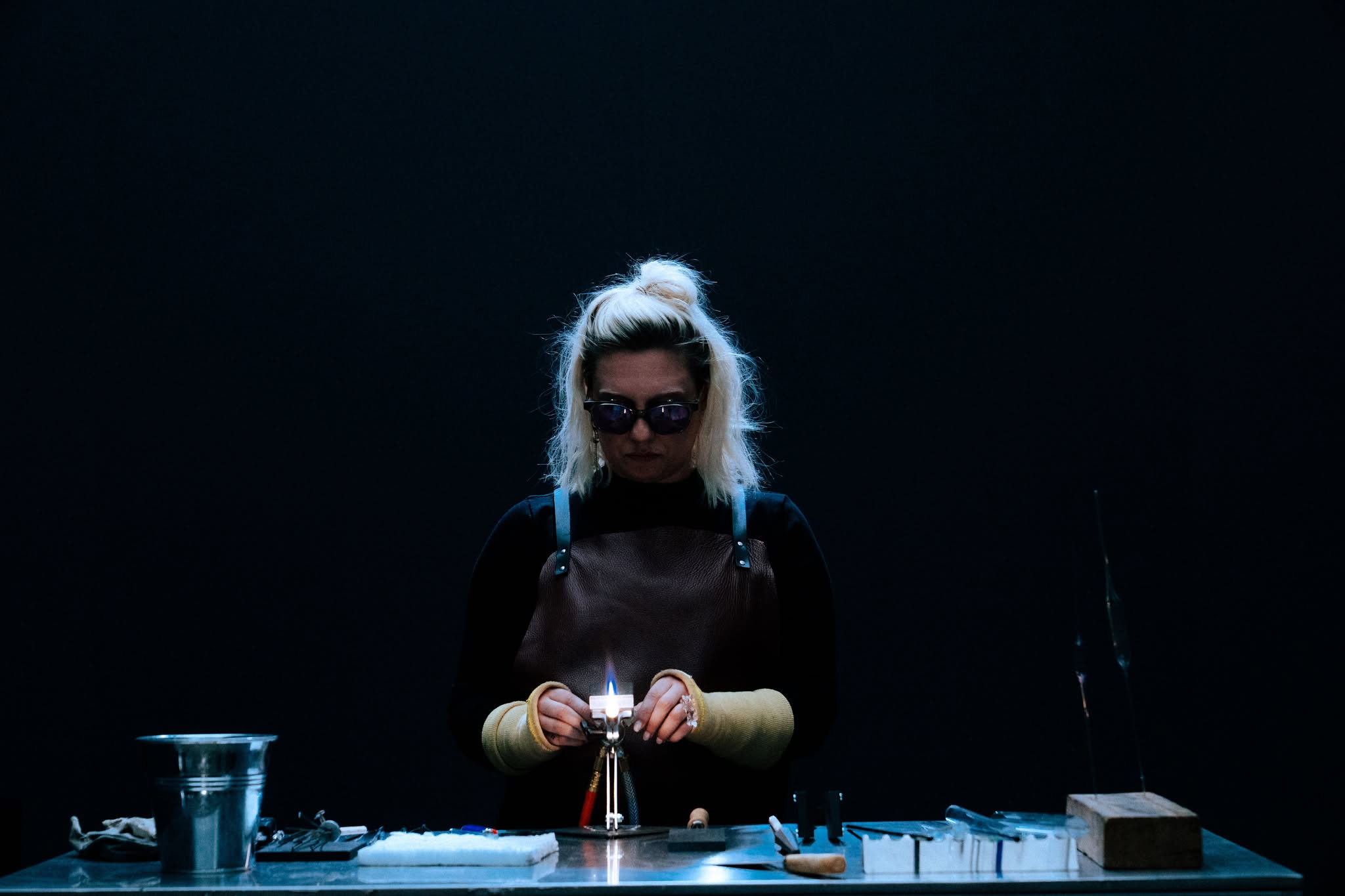
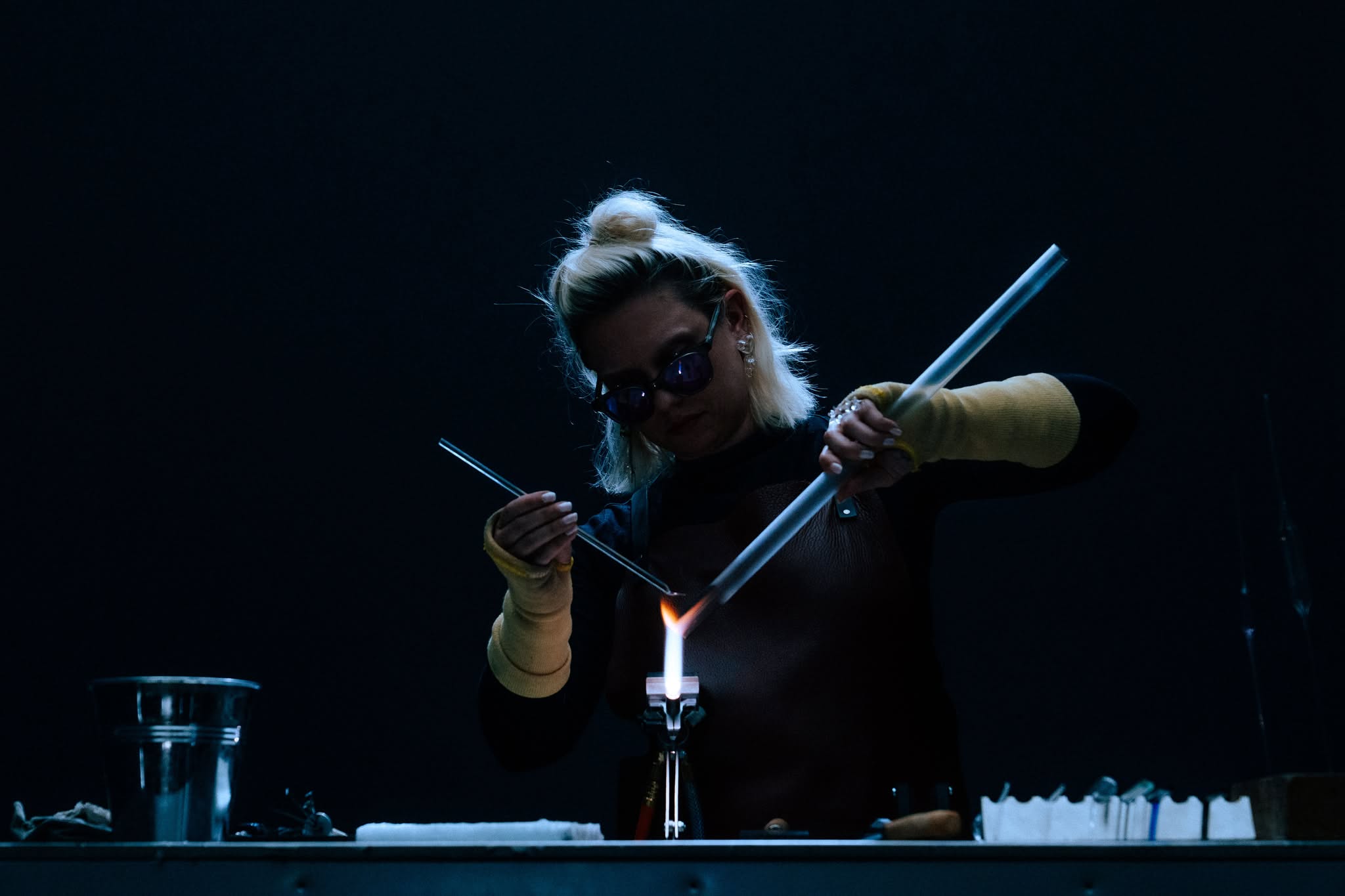
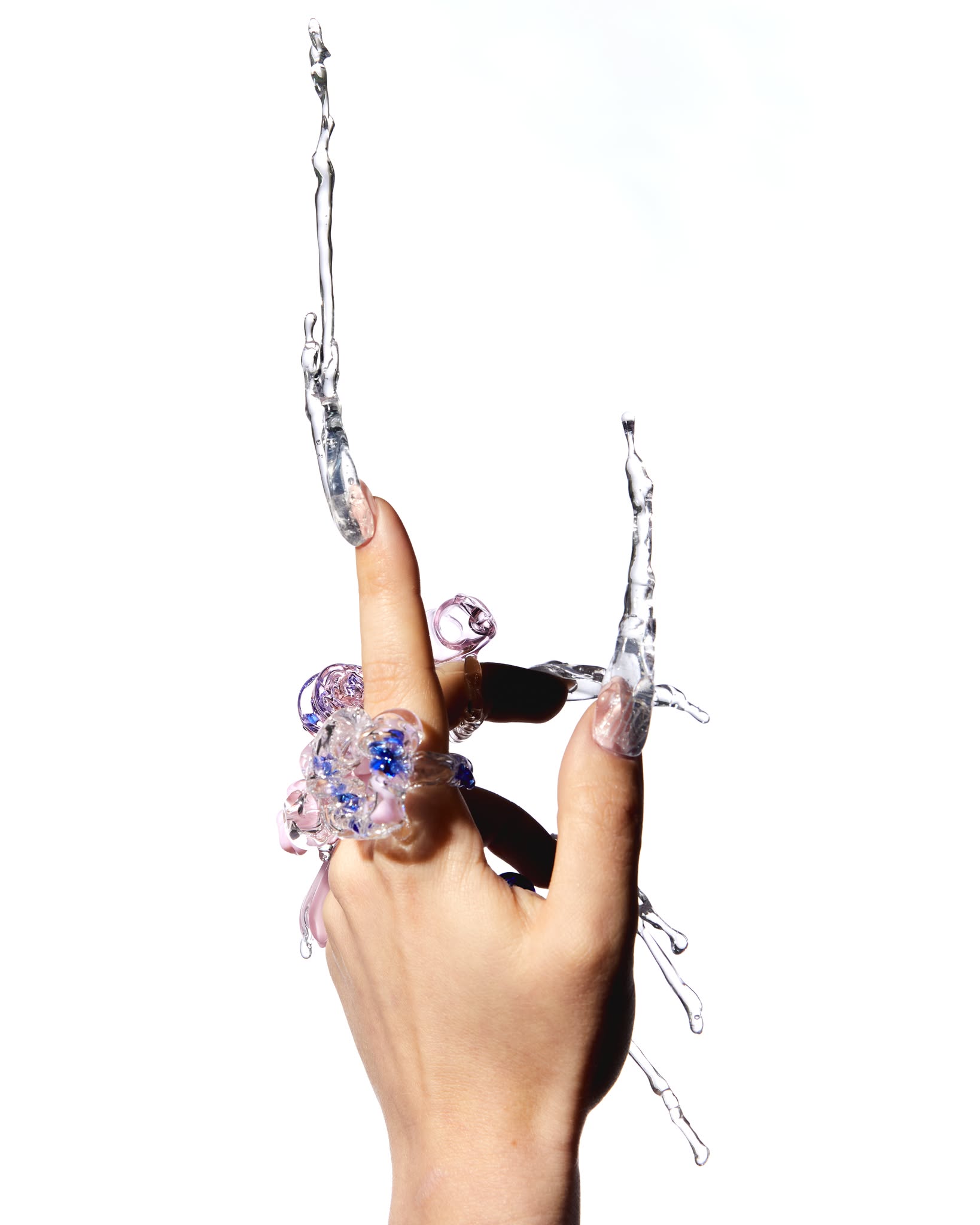
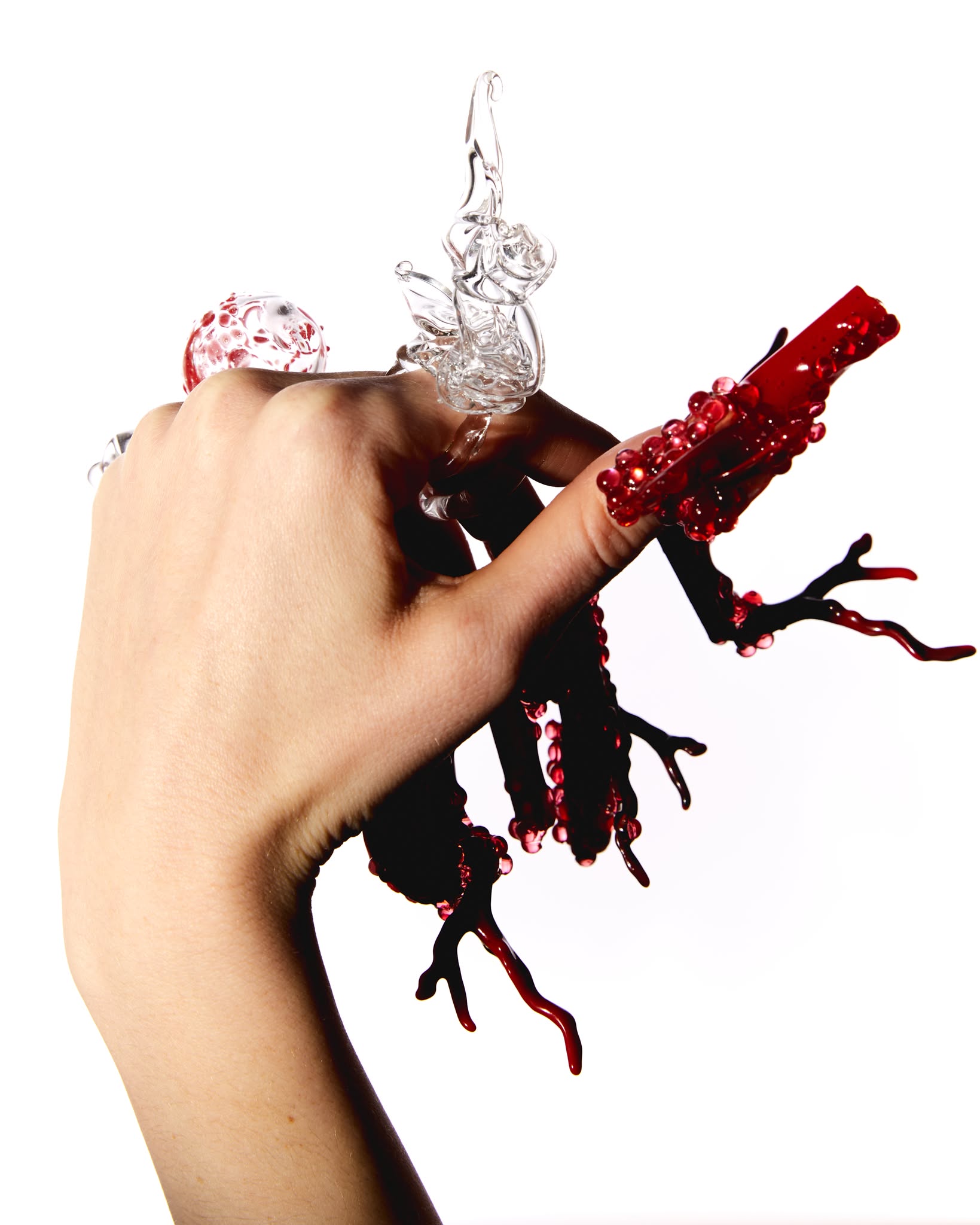
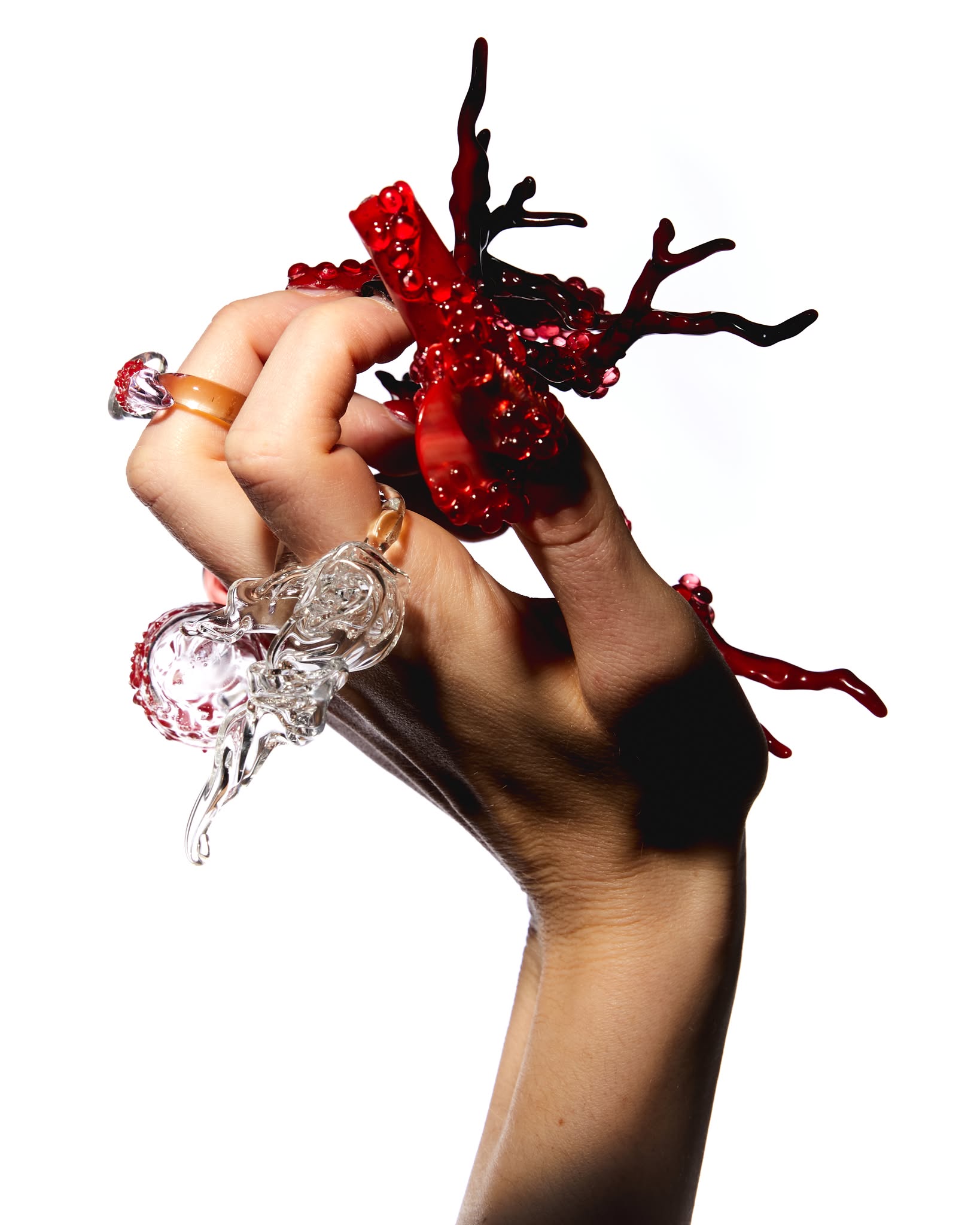
Working with the open flame is a centuries-old craft. We explore what glass can express today through organic forms, vibrant colour and a contemporary perspective. We simply use the technique that best allows us to express our ideas. For us, tradition is a foundation that allows us to create something new.
4. “Made by hand in their studio, each piece is created in the open flame and made to order. No molds. No repetition. Every shape finds its own rhythm. Color becomes presence. Form becomes attitude. Designed to be worn, combined, and made your own”. How do you know when a piece is finnished?
We simply feel it. There isn’t a checklist or a perfect shape we’re trying to achieve. Every piece develops its own character in the flame, and there comes a moment when it simply feels complete. It’s difficult to explain because it’s intuitive. We stop when the piece feels right.
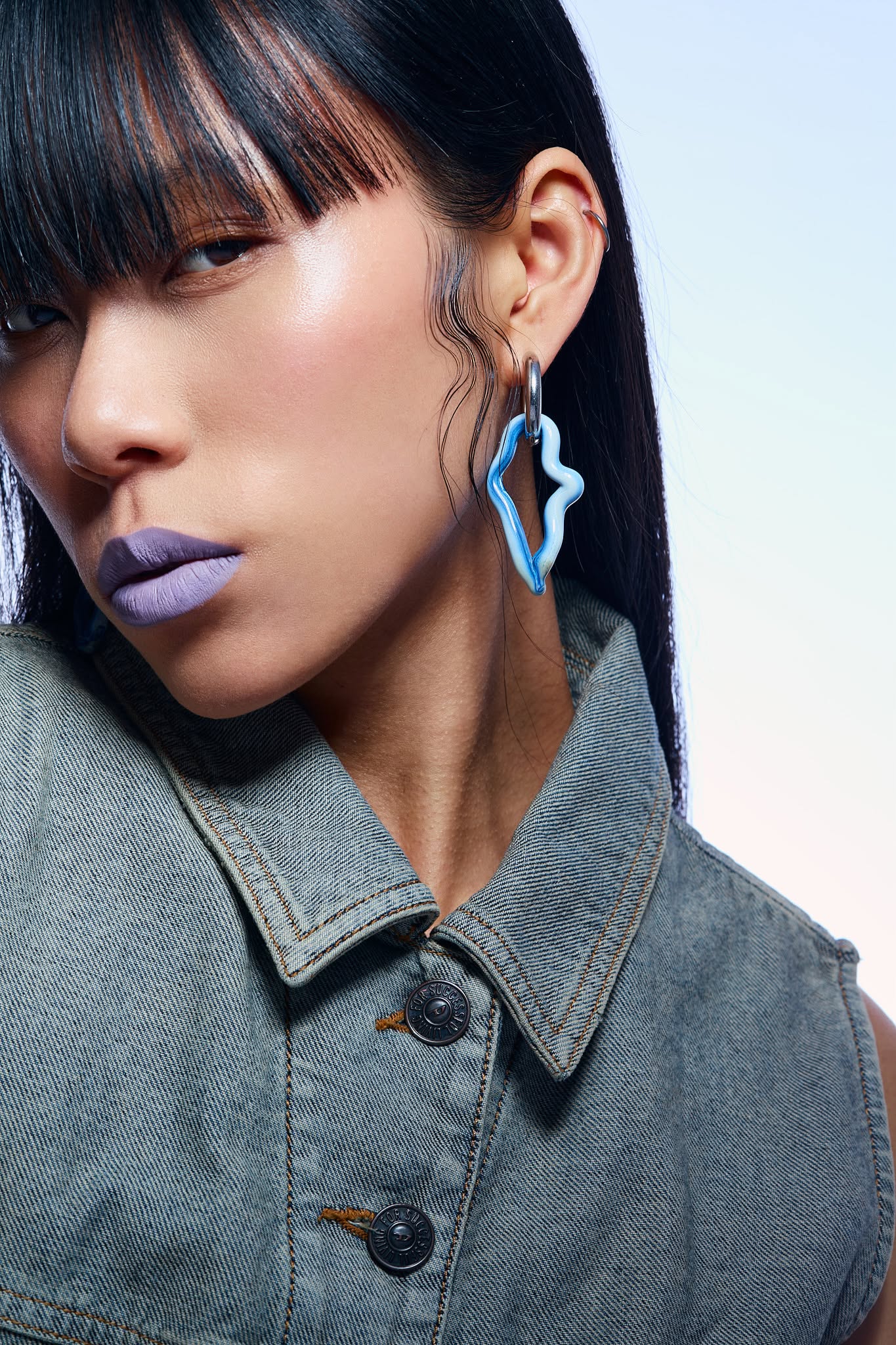
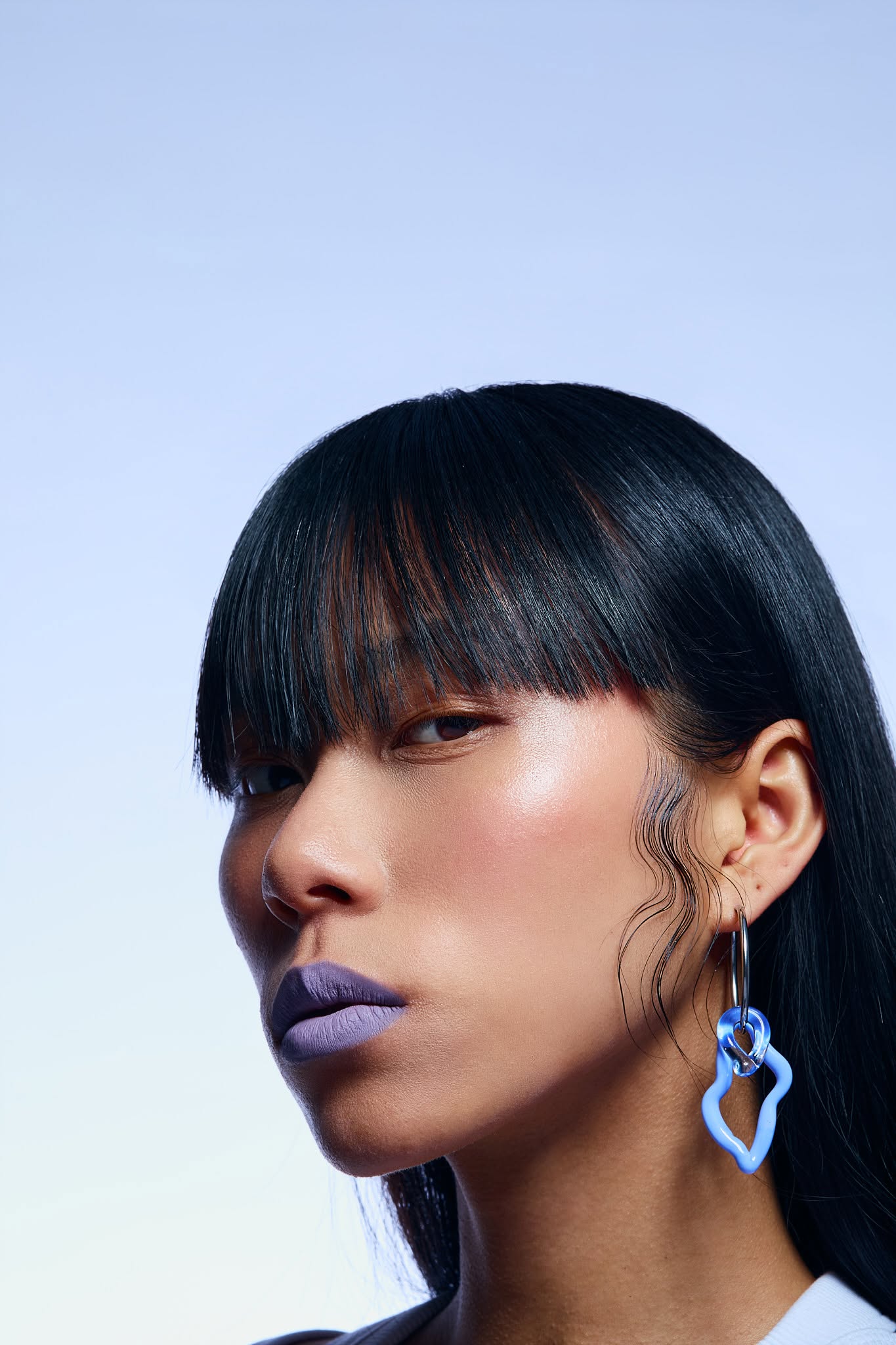
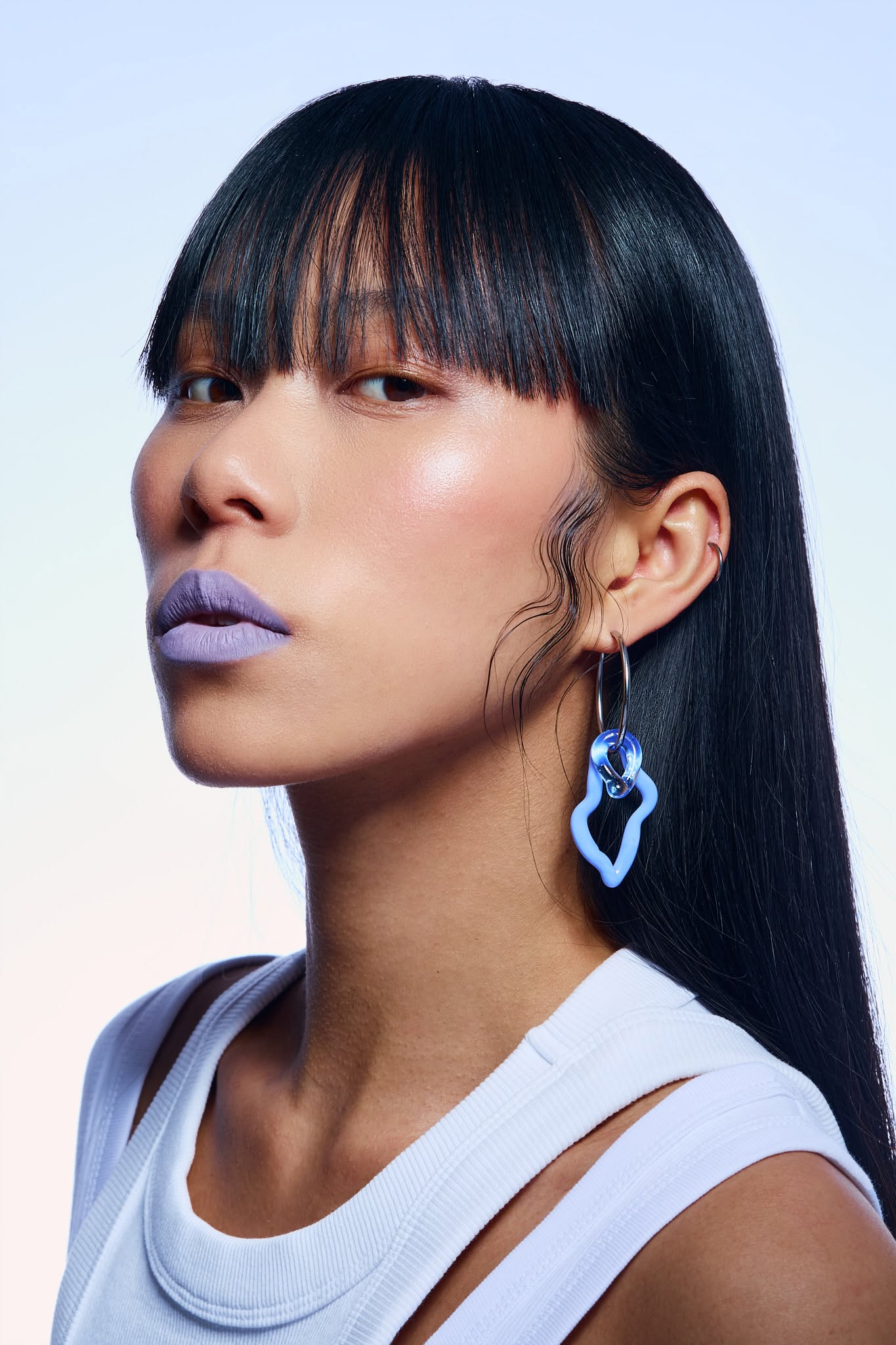
5. What is your flagship object? Why do you think it is that one?
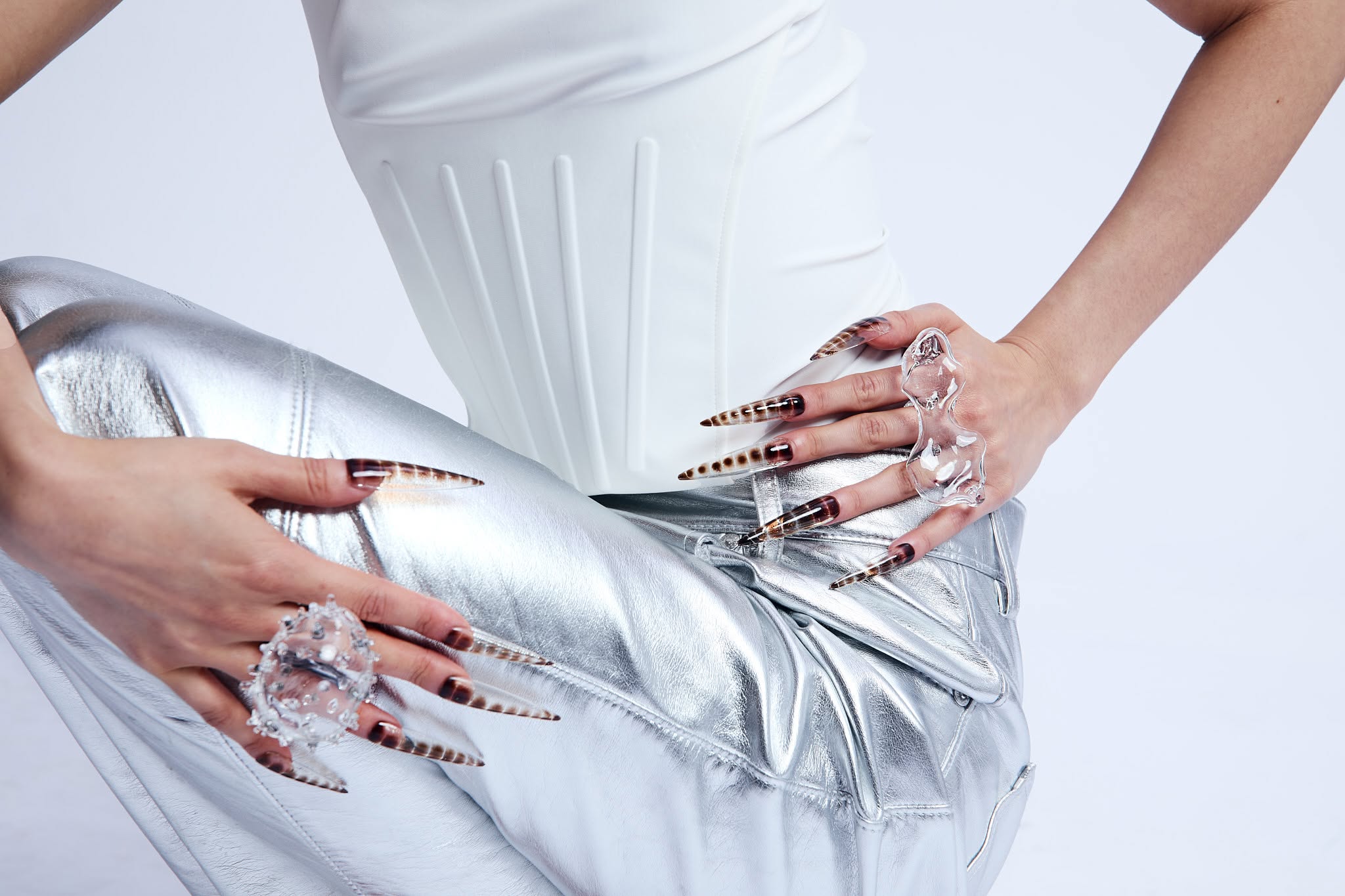
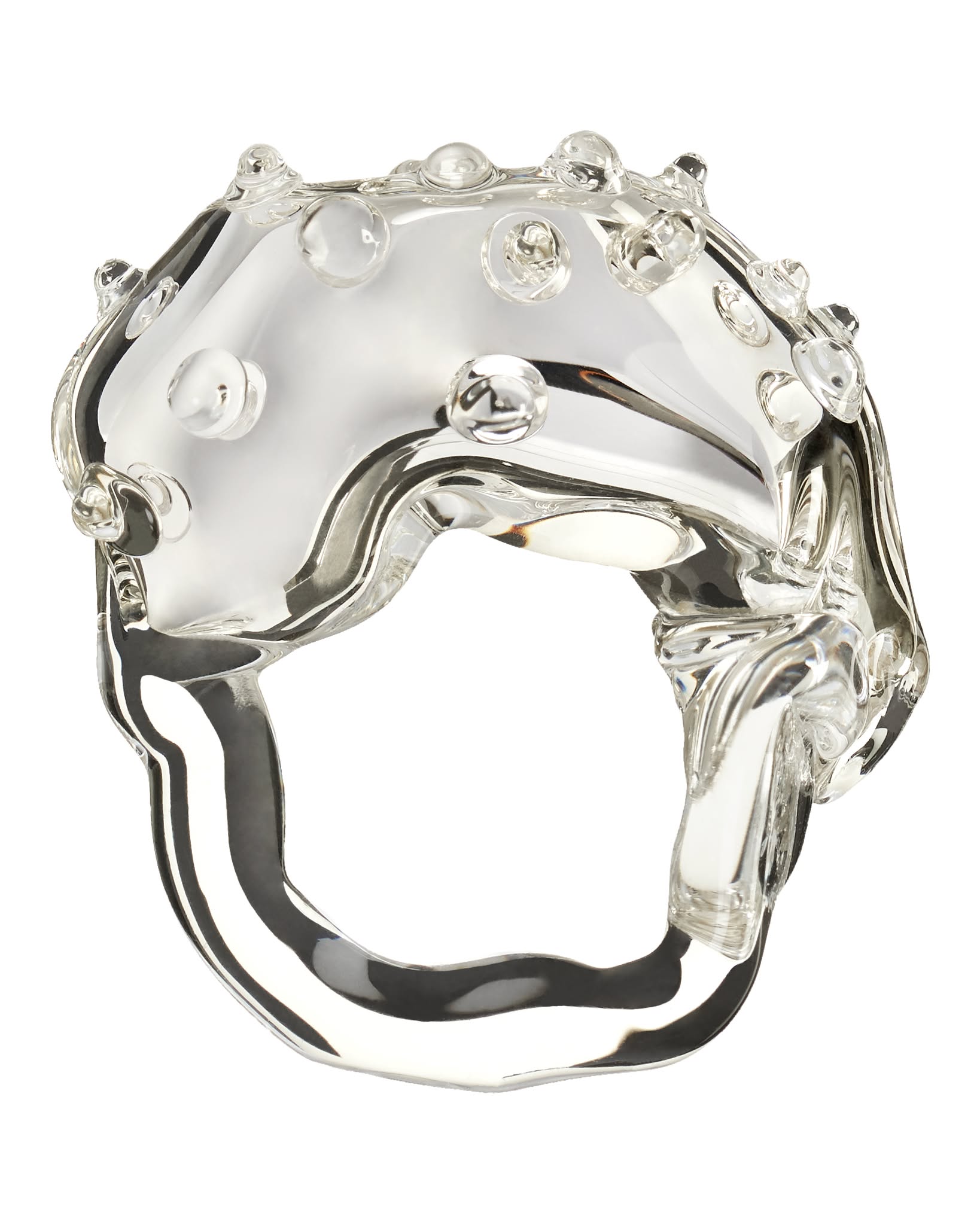
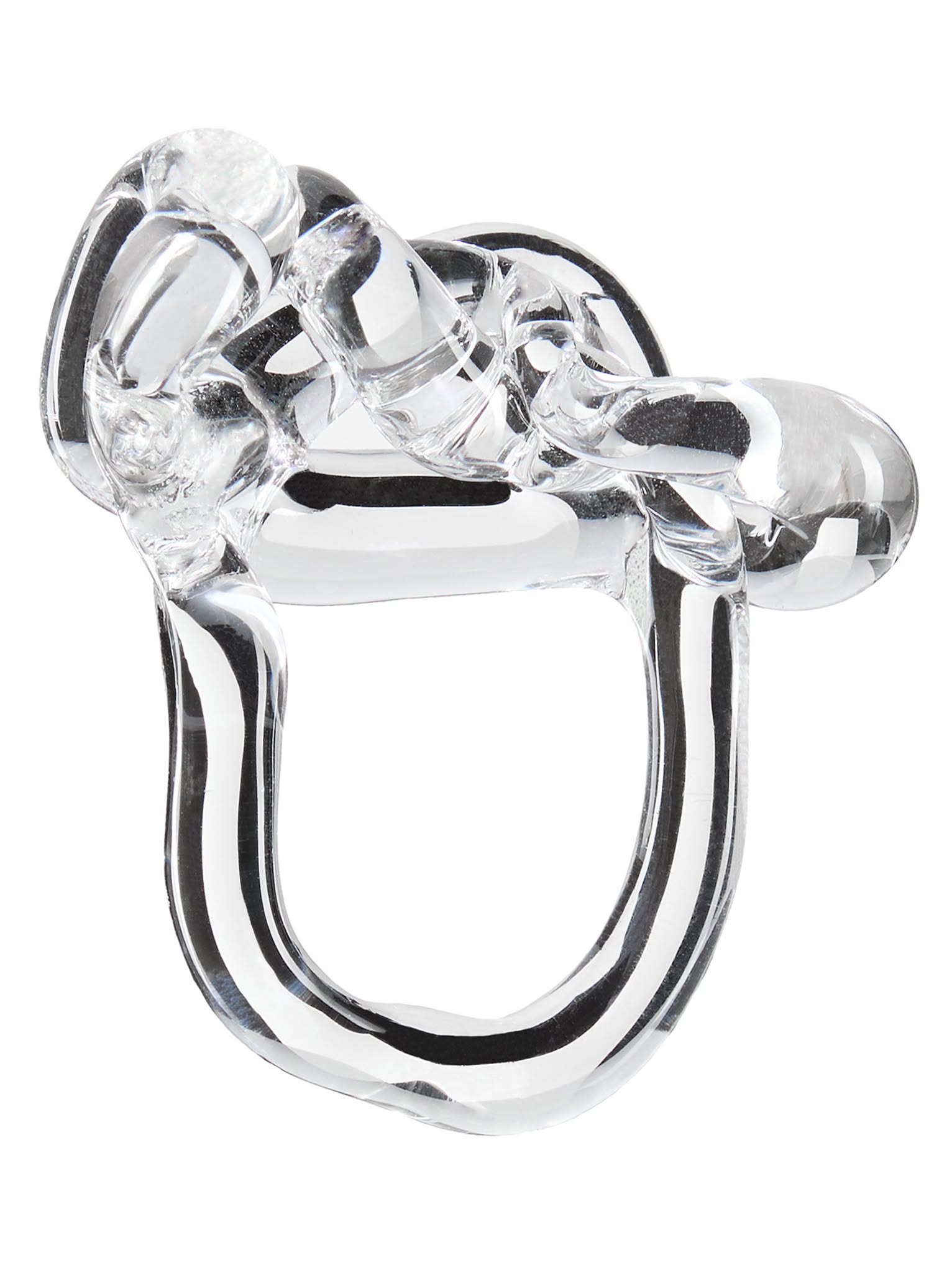
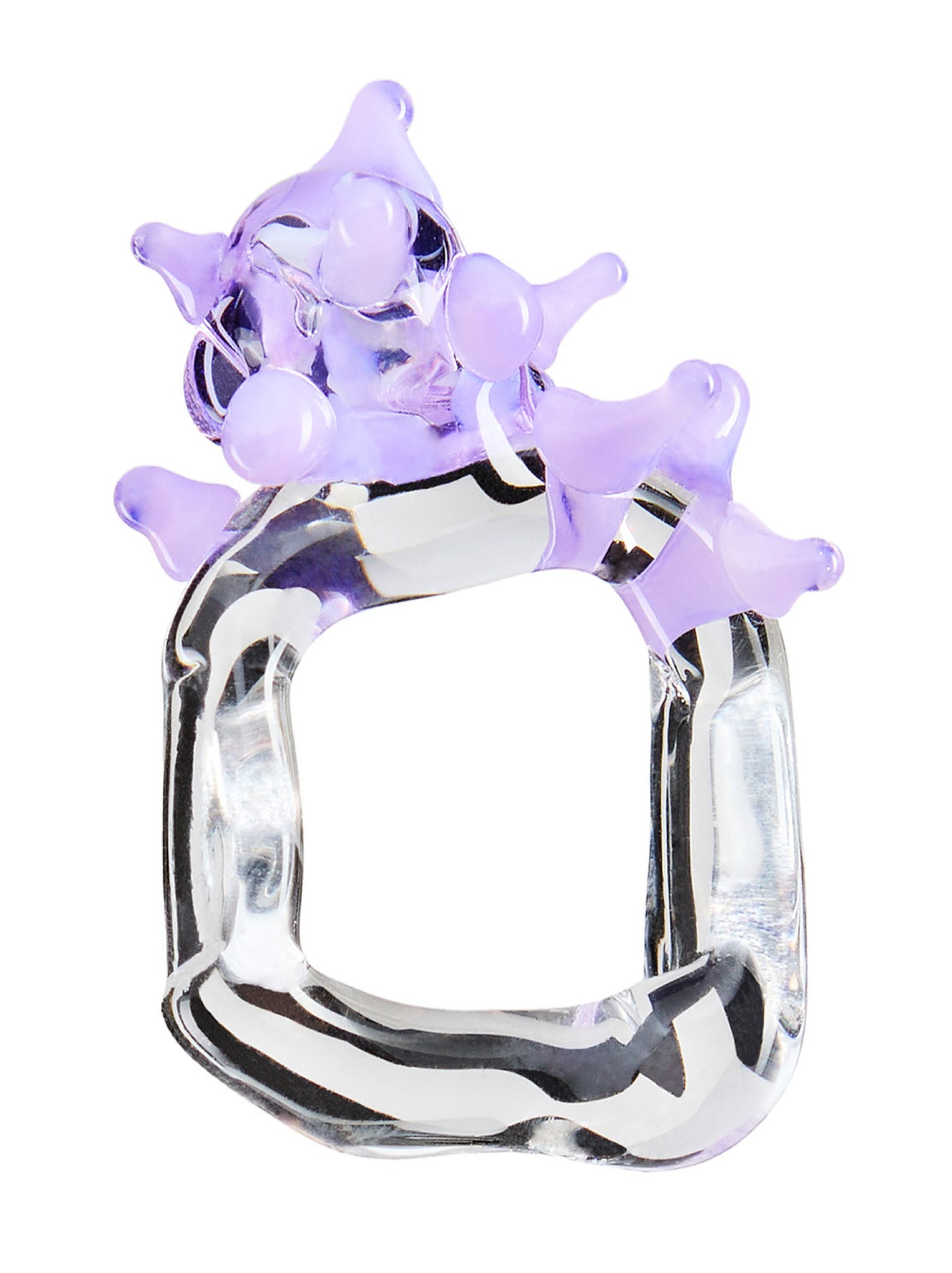
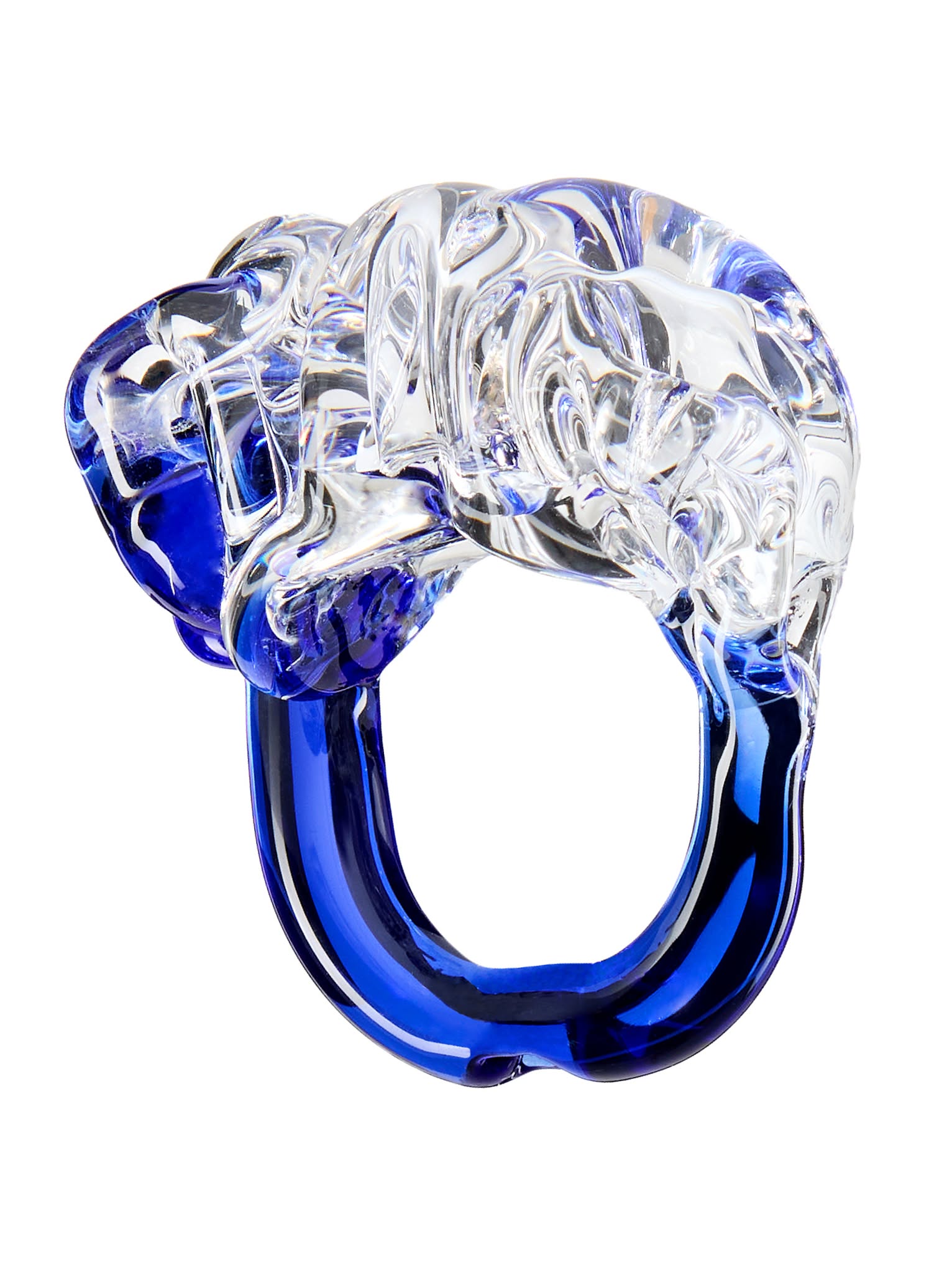
It depends on the context. For many of our customers, KANDY has become our signature. Our handcrafted glass pendants form a modular system that can be combined in endless ways, allowing each person to create their own composition. From an artistic perspective, however, our first glass ring remains our most important object. It marked a new chapter of KITSCH KIOSK, and our connection to it was so strong that we actually bought it back from a customer after 3 years. We just loved it so much that we noticed we were not ready to let it go.
6. What valuable lessons can be drawn from craftsmanship in an increasingly industrialized marketplace?
Craftsmanship reminds us that how something is made matters. In an increasingly industrialized world, it offers a different way of thinking about value.
Industrial production, automation and AI all have their place and can lead to exciting new possibilities. They are powerful tools. But craftsmanship offers something different. Every handmade piece carries the traces of the person who made it. Years of learning, skill, patience, attention and time become part of the object. We believe people can feel that. We believe it becomes part of the experience of owning it. It creates a different kind of connection.
Every purchase is also a decision about what we want to value. We can choose efficiency and scale, or we can choose individuality, human connection and the continuation of independent craftsmanship. Neither is inherently right or wrong, but they shape different kinds of worlds.
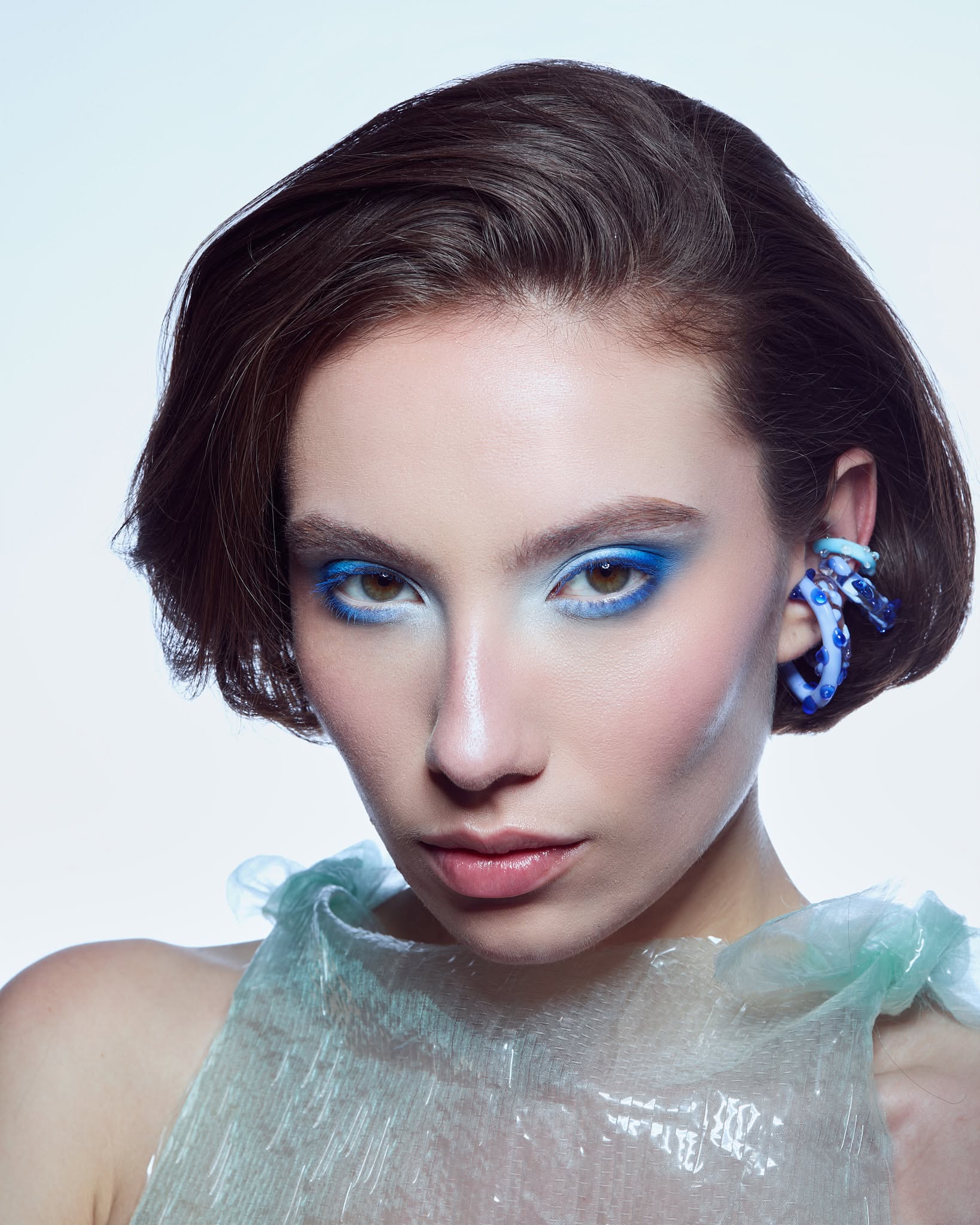
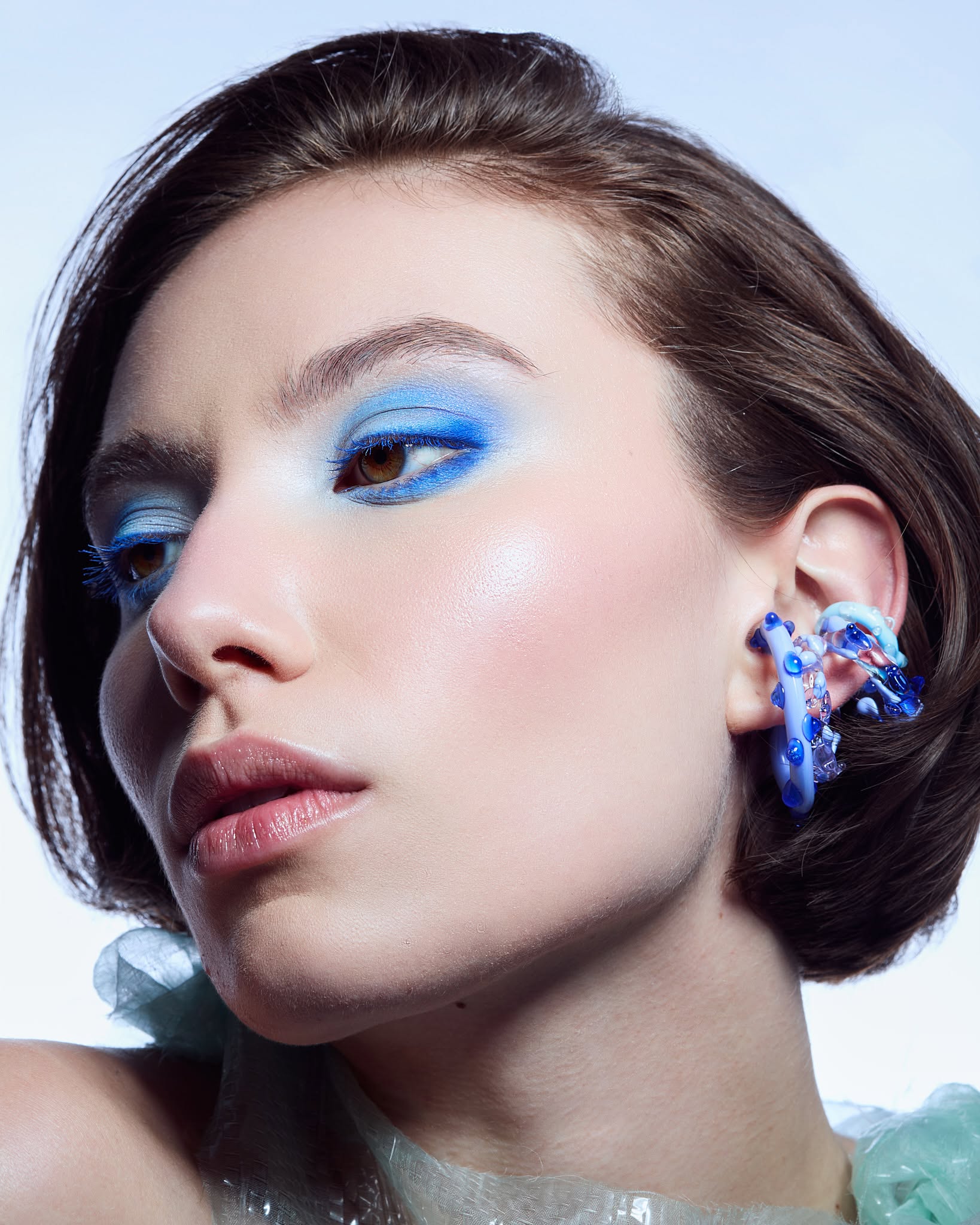
7. I recently discovered your brand at the Munich Jewellery Week. How did you find the experience there? Also, could you share how you prepare for participating in an international trade fair?
Munich Jewellery Week was our first international jewellery fair, so it was a very special experience. It brings together people from across the contemporary jewellery world, making it an incredible opportunity to exchange ideas, meet curators and fellow designers, and discover new perspectives. We left feeling truly inspired.
Preparing for something you’ve never experienced before isn’t easy. We tried to take it one step at a time, focusing on how the work we created for The Value of Nothing related to the exhibition’s theme. Honestly, we also just trusted that everything would work out. We were fortunate to exhibit with Eleonora Varotto (Hooroon) and Arte Design Venezia. Weh ad already worked together for The Trasparent Breath 2025. Whenever we had questions, we could always reach out to Eleonora. Having someone with so much experience, who also puts so much care into everything she does, gave us confidence and made a real difference. We’re very grateful for her support.
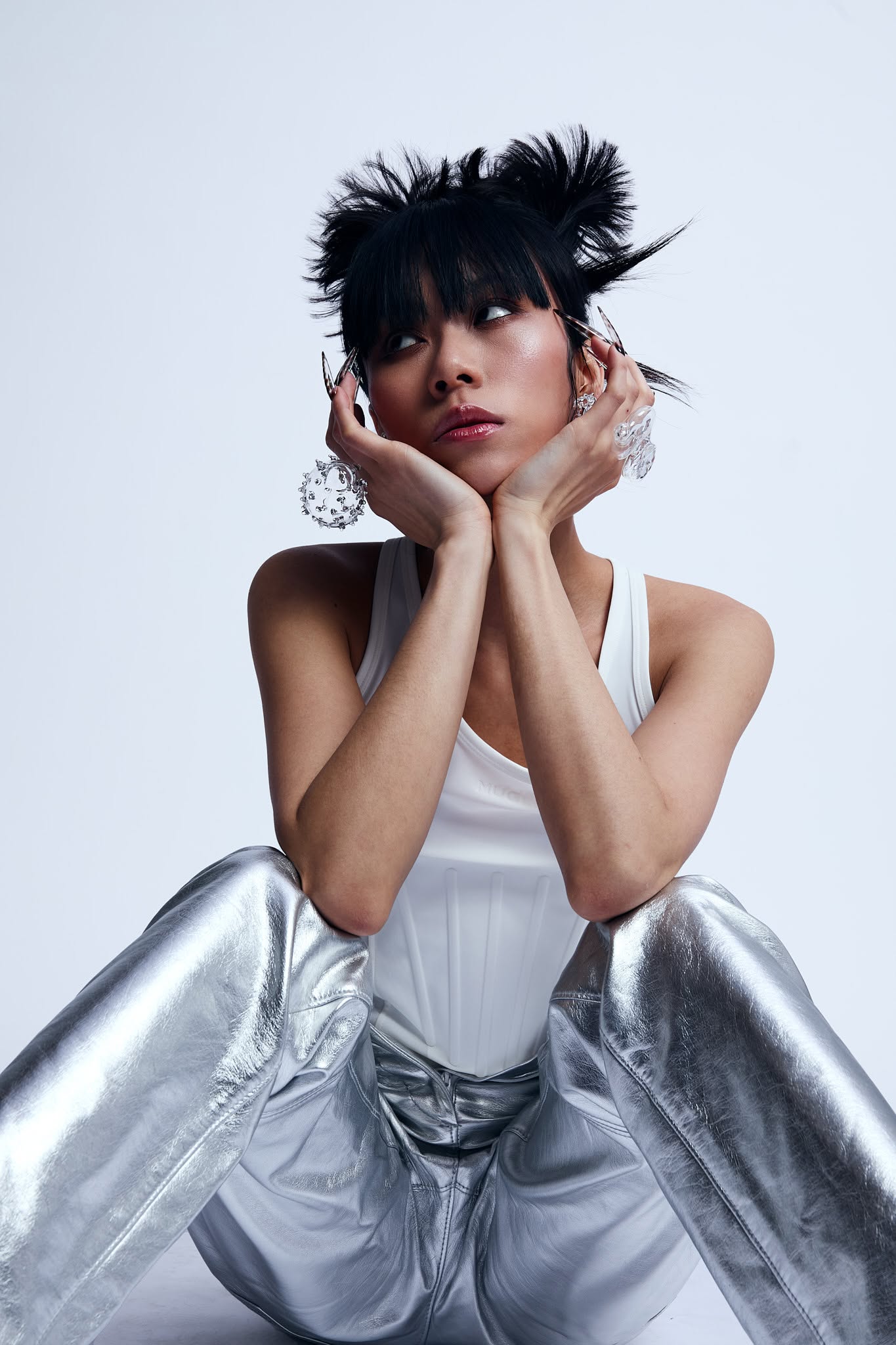
8. Our audience also includes young, innovative designers, architects, and artists. What advice would you give to someone aspiring to launch a creative business?
Stay curious and be patient. Building a creative business takes much longer than most people expect, and there will always be moments of doubt. Learning to live with uncertainty is part of working independently. Don’t spend too much time trying to predict what people want. Instead, create the work you genuinely believe should exist. If it feels honest, chances are that it will resonate with others too. Listen to advice, but don’t follow it blindly. Every creative business is different, and what works for one person may not work for another. Trust your own intuition and don’t be afraid to say no when something doesn’t feel right. Sometimes protecting your vision is also protecting your business. Finally, create a way of working that helps you stay grounded. There will always be ups and downs, so having a routine, a place or people that help you regulate and return to yourself is just as important as the work itself.
9. How do you see a creative world where products are more sustainable and ethical?
We imagine it as a richer and more inspiring world.
In a rapidly changing world, sustainability and ethics become an increasingly important part of the creative process. We believe sustainability can open up new creative possibilities. It can inspire new ways of thinking, making and designing. To us, sustainability has many dimensions. It can be be about materials, longevity, production methods, fair working conditions or creating objects people genuinely want to keep. Ethical working conditions shouldn’t be a luxury. They should be the bare minimum. That’s why we think it’s important to look beyond simple labels and claims.
10. Should design products be affordable?
We believe good design should be as accessible as possible, but accessibility doesn’t only come through price. That’s why we create different collections at different price points. At the same time, handcrafted objects take time, skill and years of experience. Those things deserve fair value.
Accessibility also comes through exposure. One of the ideas behind KITSCH KIOSK was to take design out of its traditional context and place it into everyday life. When people wear design, it becomes visible. It sparks curiosity, starts conversations and reaches people who might never step into a gallery or design fair. For us, that’s what makes design truly accessible. Not only owning it, but encountering it as part of everyday life.
All the photos have been sent from KITSCH KIOSK’s archive.

